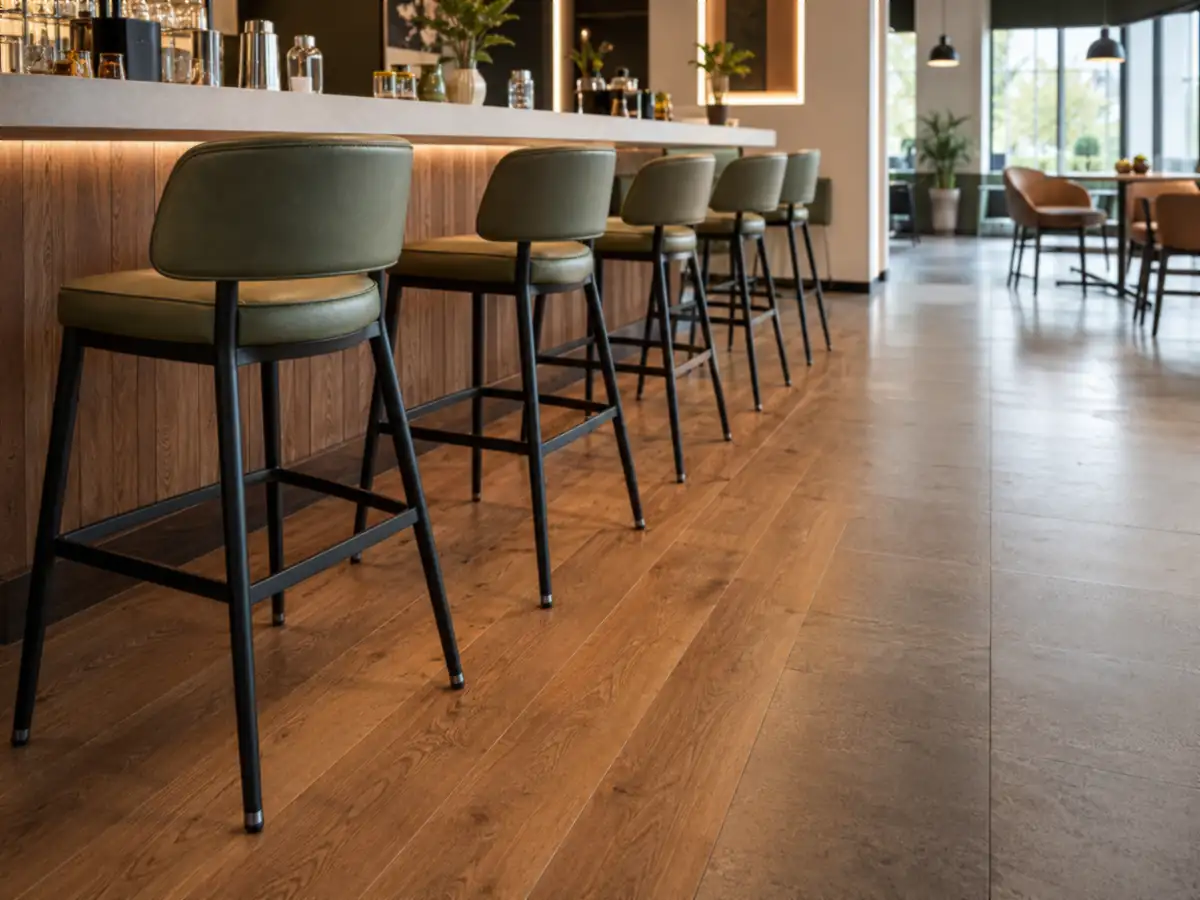
When buyers compare leather vs faux leather bar stools, the decision should not stop at style. For a restaurant, café, bar, hotel lounge, or chain project, the upholstery affects cleaning time, guest experience, replacement risk, reorder consistency, and total project cost.
For most busy commercial spaces, quality faux leather, PU, or performance leather is the safer first choice. It is easier to wipe clean, easier to control in bulk orders, and usually more cost-stable. Real leather is better for premium lounges, hotel bars, private clubs, and lower-abuse hospitality areas where the buyer accepts higher cost, regular care, natural aging, and some material variation.
The wrong choice usually does not fail in the showroom. It fails after staff wipe the seat every day, after guests rub the front edge, after alcohol or sauce sits on the surface, or after a second batch does not match the first order.
YeZhi Furniture supplies commercial bar stools for restaurants, cafés, bars, hotels, and project buyers. For leather-style bar stool projects, we can compare genuine leather, PU, performance leather, leatherette, and suitable frame directions before quotation.
Quick Answer: Which Upholstery Works Better?
For high-spill and high-turnover restaurants, cafés, bars, and chain projects, start with quality PU or performance faux leather. It is usually faster to clean, easier to repeat across bulk orders, and more practical for cost control.
For premium lounges, hotel bars, private clubs, and lower-abuse hospitality areas, real leather can work well when the buyer accepts higher cost, natural aging, and regular maintenance.
For project orders, YeZhi can quote leather, PU, performance leather, and frame options based on your venue type, seat height, quantity, and cleaning requirements.
Real Leather vs Faux Leather Bar Stools: Main Differences
Real leather comes from natural hide. It has natural grain, richer touch, visible variation, and a premium feeling. It can age well when cared for properly. It also costs more and needs more careful maintenance.
Faux leather is a leather-look upholstery made from synthetic materials. In bar stool sourcing, buyers may see names such as PU leather, PVC leather, leatherette, bonded leather, or performance leather. These are not the same material.
For commercial orders, avoid writing only “leather seat” in the RFQ. Confirm the exact upholstery type before quotation.
| ファクター | Real Leather Bar Stools | Faux Leather / PU Bar Stools |
|---|---|---|
| Appearance | Natural, premium, richer texture | Clean, consistent, modern |
| Touch | Natural hand feel, may soften with age | Depends on grade; can be smooth and easy to wipe |
| 掃除 | Needs leather-safe care | Usually faster for daily wipe-down |
| コスト | Usually higher | Usually lower and easier to control in bulk |
| Color consistency | Natural variation is normal | More consistent for large orders and reorders |
| High-spill use | Needs quick care and a cleaning plan | Usually safer if quality material is selected |
| Main risk | Staining, scratches, drying, color change | Peeling, cracking, heat or harsh cleaner damage if low grade |
| Best use | Premium lounges, hotel bars, lower-abuse spaces | Restaurants, cafés, bars, chains, distributors |
The real question is not “which one looks better in photos?” The better question is: which upholstery can survive the way this venue cleans, spills, moves, and reorders furniture?
For modern hospitality programs, YeZhi can prepare modern leather bar stools wholesale quotations with PU or genuine leather, color, stitching, and frame-finish details confirmed before production.

Which Is More Durable?
Real leather can last well when it is properly maintained, but quality faux leather or PU is often more practical for high-turnover commercial use.
Many buyers hear “real leather” and assume it is always better. That is not true for every restaurant or bar.
Real leather works well when the project has:
- a premium budget
- controlled indoor use
- lower spill pressure
- staff who understand leather care
- a buyer who accepts natural aging and color variation
Faux leather, PU, or performance leather works better when the project needs:
- fast daily wipe-down
- consistent color across many stools
- lower upfront cost
- easier replacement or reorder planning
- a cleaner look under normal service routines
Low-grade faux leather can peel or crack under heavy friction, heat, sunlight, unsuitable cleaners, or poor maintenance. In real commercial use, the material usually does not fail first in the clean center of the seat. It usually fails at the front edge, seam turns, corners, and high-friction contact points.
For a busy bar, check these areas carefully before bulk approval:
- front seat edge
- seam turns
- backrest top edge
- side corners
- footrest contact area
- 床用滑り止め
- leg joints
- carton protection points
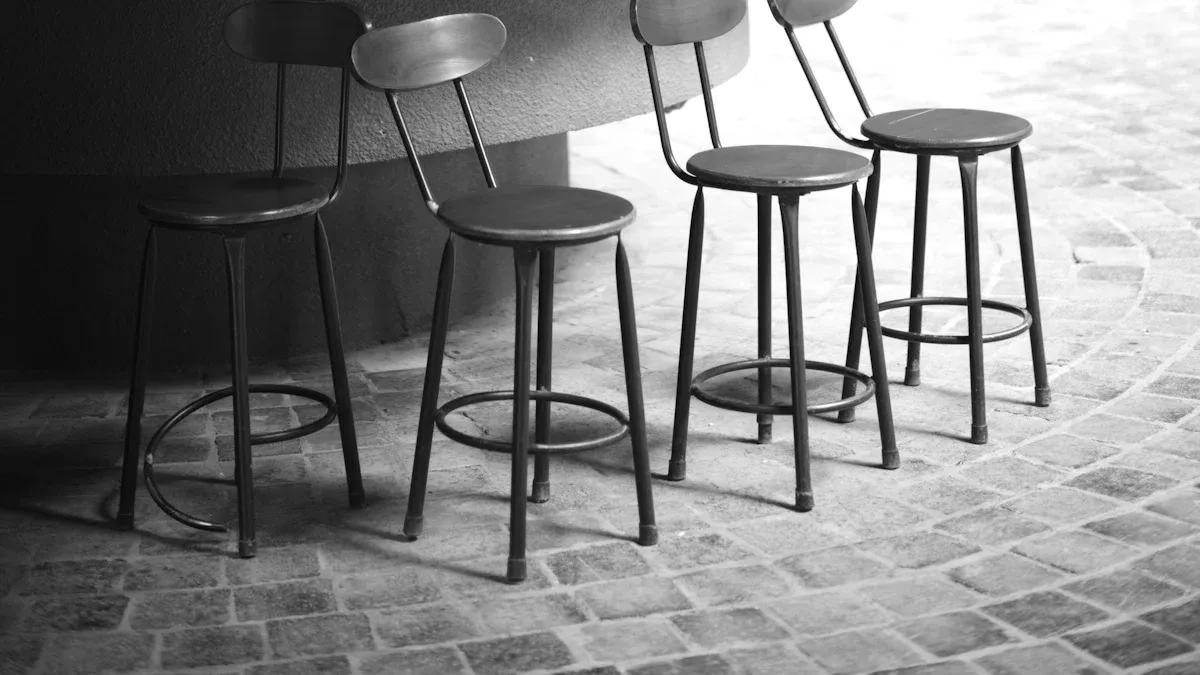
A good upholstery material cannot save a weak stool. The frame, footrest, joints, glides, and packing still matter. A bar stool has to handle side pressure, footrest pressure, floor movement, guest turnover, and export shipping. For frame and structure planning, specify 業務用バースツール by venue use, seat height, frame material, finish, packing, and shipping term before quotation.

Which Is Easier to Clean?
Faux leather, PU, vinyl, or performance leather is usually easier to clean in restaurants, cafés, and bars.
In food and beverage spaces, cleaning is not a weekend task. Staff may need to wipe 20, 50, or 100 stools before the next service. That changes the material decision.
A busy bar stool may face coffee, alcohol, sauce, oil, sweat, crumbs, denim dye transfer, cleaning sprays, repeated wiping, and guest friction on the front edge.
Real leather can look excellent, but it needs leather-safe cleaning and regular care. Harsh cleaners, too much water, and careless wiping can create problems.
Faux leather or PU is usually easier for daily wiping, but it still needs the right cleaner. Do not assume faux leather means chemical-proof. If the venue uses sanitizer, strong cleaning sprays, bleach, or alcohol-heavy cleaners, cleaner compatibility should be confirmed by selected material.
For high-spill restaurant and café seating, start with a smooth, easy-wipe surface. For cocktail bars, darker colors are usually safer than white, cream, or light beige. Light colors can work, but they need stain and denim-transfer checking before bulk approval. For restaurant projects, confirm easy-clean upholstery, frame finish, packing, and shipping terms when requesting restaurant bar stools wholesale.
| Use Scene | Safer Upholstery Direction |
|---|---|
| Coffee shop with daily turnover | Smooth PU or performance leather |
| Cocktail bar with alcohol spills | Dark PU, vinyl, or performance leather |
| Casual restaurant counter | PU or performance leather |
| Fine dining bar counter | Real leather only if maintenance is accepted |
| ホテルのラウンジ | Real leather or high-end performance leather |
| Chain restaurant | PU or performance leather for consistency |
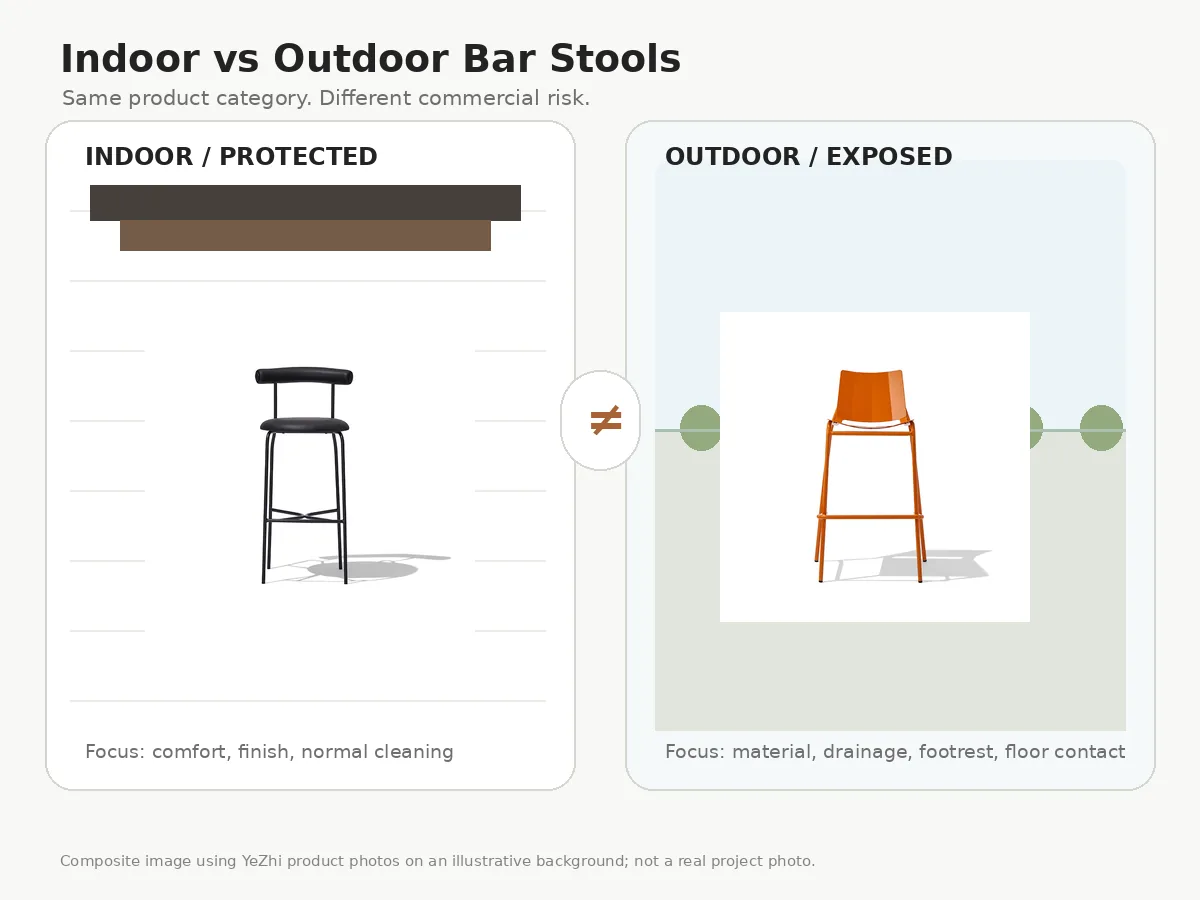
| Outdoor or semi-outdoor counter | Avoid normal indoor leather unless confirmed suitable |

Which Costs Less?
Faux leather / PU usually costs less upfront than real leather, but the cheapest material is not always the lowest-cost material.
Commercial buyers should calculate cost in three parts:
- 単価
- 清掃作業
- Replacement and reorder risk
Cheap faux leather can become expensive if it cracks, peels, or needs early replacement. Real leather can become expensive if the venue cannot maintain it. The best upholstery is not the lowest quote on paper. It is the material that still looks acceptable after real service.
For importers and distributors, the risk is not one beautiful sample. The real test is whether the first 30-piece order, the 80-piece reorder, and later replacement pieces still match in upholstery color, stitching, frame finish, carton size, and cost level. For this reason, PU or performance leather is often easier to manage than natural leather for repeatable wholesale programs.
Practical rule: For one premium lounge, real leather can be worth the higher cost. For 100 stools across several stores, consistent PU or performance leather is usually the safer buying decision.
Best Upholstery for Bar Stools by Venue Type
Different venues punish upholstery in different ways. Choose by use pressure, not by style photos only.
| 会場タイプ | Recommended Direction | なぜ |
|---|---|---|
| Fast-turnover café | Quality PU / faux leather | Fast wiping, lower cost, stable look |
| Casual restaurant counter | PU or performance leather | Daily cleaning and frequent use |
| Cocktail bar | Dark PU / performance leather | Alcohol, sticky spills, and heavy wiping |
| ホテルのラウンジ | Real leather or high-end performance leather | Premium feel matters more |
| Fine dining bar | Real leather if care is accepted | Better luxury signal and natural aging |
| Chain restaurant | PU / performance leather | Bulk color consistency and reorder control |
| Distributor SKU program | PU / performance leather | Easier cost control and repeat supply |
| Outdoor / semi-outdoor bar | Confirm outdoor material first | Heat, UV, moisture, and cleaner risk |
If the space is high-spill and high-turnover, start with quality PU or performance faux leather. If the space is premium and lower-abuse, real leather can work when maintenance is accepted.
For model selection, compare current seat heights, frames, finishes, and upholstery directions in YeZhi’s bar stool chair category, then send the final project requirements for quotation.

Reject or Avoid These Upholstery Choices
A good buyer also knows what to reject. Some materials look acceptable in a catalogue but create trouble after opening.
| 素材の方向 | Reject or Avoid When |
|---|---|
| Real leather | The venue has heavy alcohol spills, harsh cleaners, strong sunlight, or no leather care plan. |
| Cheap faux leather | The project is a busy restaurant, café, bar, or chain store where peeling complaints would create after-sales cost. |
| Light-color faux leather | Denim transfer, sauce, coffee, or oil stains are likely and no stain test is planned. |
| Bonded leather | The stool will be used in heavy commercial seating or high-turnover venues. |
| Normal indoor upholstery | The counter is outdoor or semi-outdoor and the material, frame, and finish are not confirmed for that environment. |
Low price is not a durability certificate. If the material cannot survive the cleaning routine and guest turnover, the buyer will pay for it later through complaints, replacements, and lost time.

What Buyers Often Get Wrong
Mistake 1: Choosing by photo only
A bar stool can look good on a screen and still be wrong for the job. Photos do not tell you how the seat edge handles friction, whether the seam sits in a high-contact area, or whether the color will match the next batch.
For a YeZhi project order, a front-view photo is only the starting point. Confirm the upholstery swatch, sample, color, seam position, and cleaning method before bulk production.
Mistake 2: Treating all “leather” as the same
Real leather, PU, PVC, bonded leather, leatherette, and performance leather are different. If a buyer writes only “leather seat,” the quotation may not match the expected product.
Before ordering, confirm the exact upholstery name, color swatch, surface texture, backing or construction if required, stitching color, cleaning method, and required test documents.
Mistake 3: Buying cheap faux leather for heavy commercial use
Cheap faux leather can look acceptable at first. The risk appears later at the front edge, seams, and corners. In high-use bars and cafés, the material must handle friction, wiping, and spills.
A cheap leather-look surface is not automatically a commercial upholstery.
Mistake 4: Buying real leather with no maintenance plan
Real leather can be a strong premium choice, but it needs proper care. If the venue uses aggressive cleaners or has no cleaning discipline, real leather may become a complaint instead of an upgrade.
Real leather is not maintenance-free.
Mistake 5: Ignoring the frame
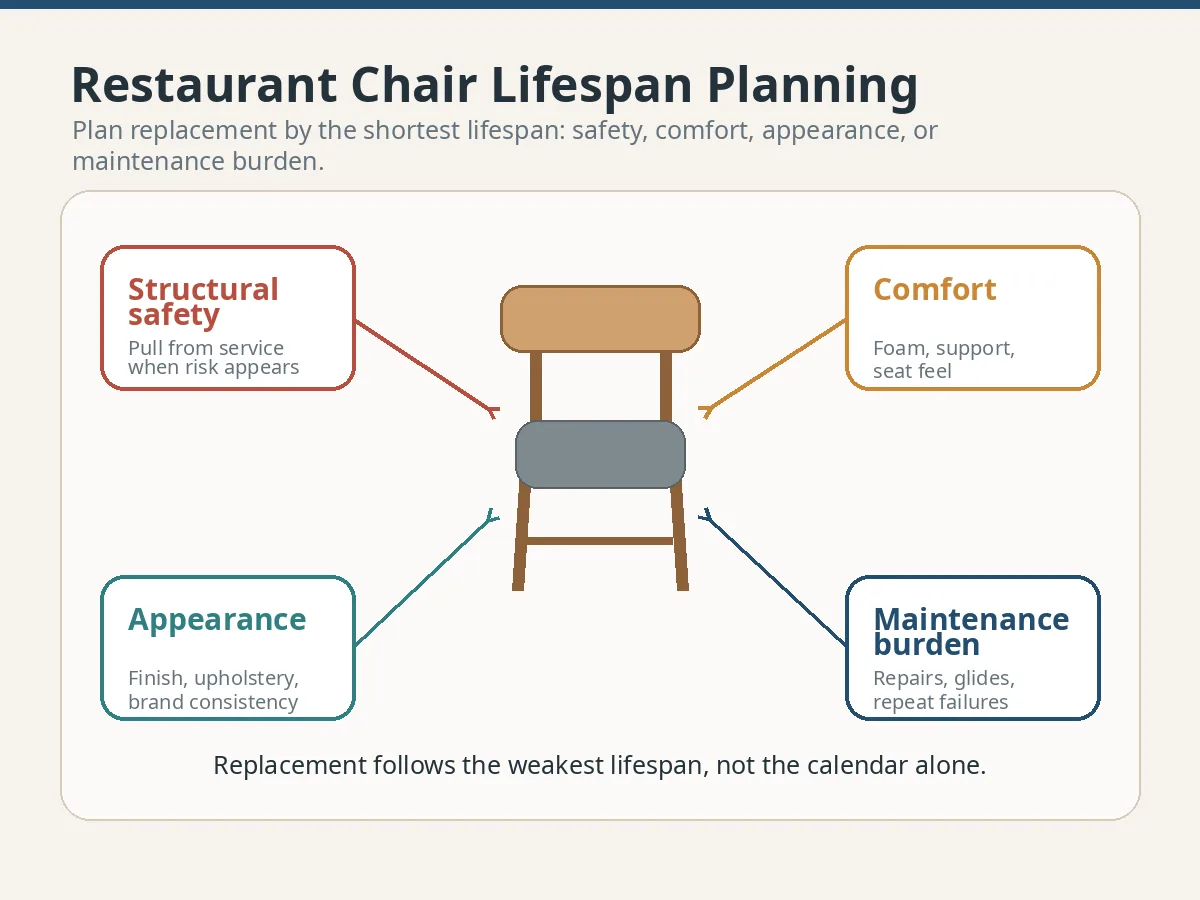
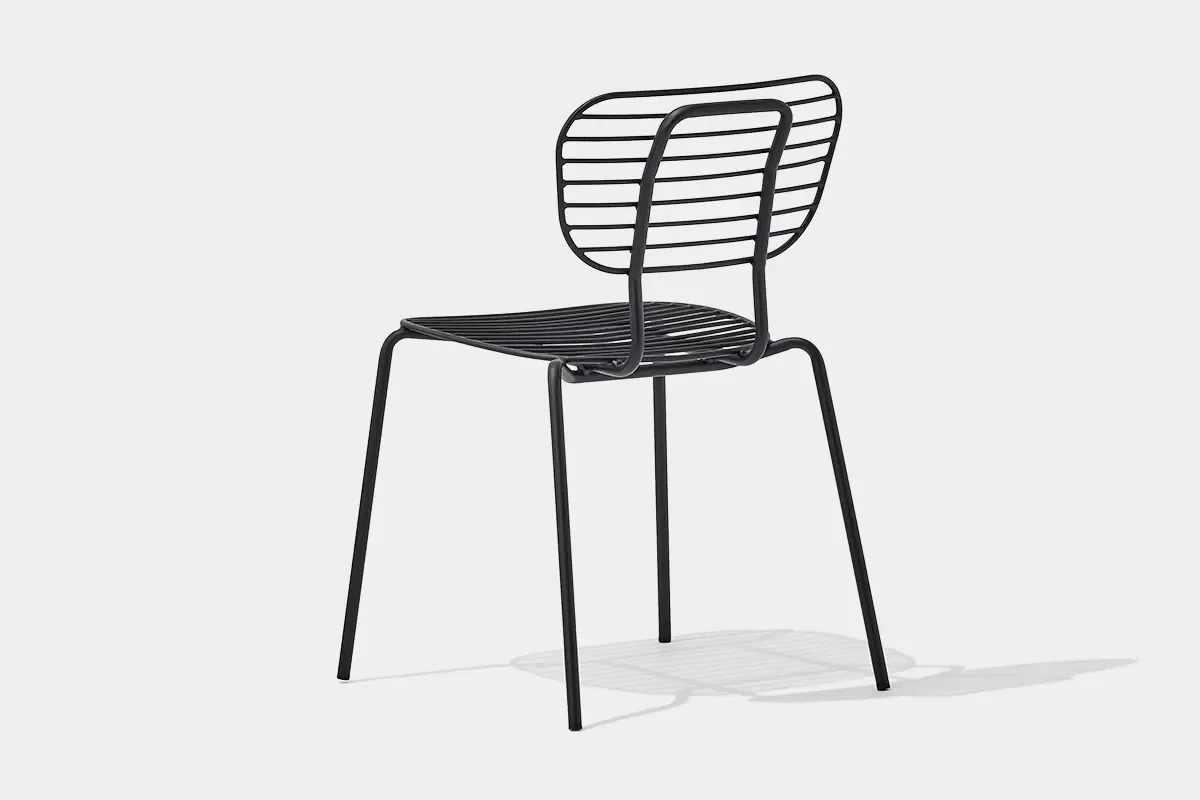
A beautiful upholstered seat on a weak frame is still a bad commercial purchase. Bar stools face side pressure, footrest pressure, floor movement, and repeated guest use. The frame and footrest should be checked together with the upholstery.
If load capacity is a key project requirement, send it before quotation. YeZhi has SGS certification, and suitable chair models can support load capacity up to 250 kg after structure and specification confirmation. For certified load requirements, confirm the applicable SGS report, tested model, test method, and final specification before production.
What to Confirm Before Bulk Ordering
Before approving leather or faux leather bar stools for a commercial project, confirm the material, sample, structure, packing, and PI terms.
Material confirmation
- real leather, PU, PVC, bonded leather, leatherette, or performance leather
- color swatch
- surface texture
- stitching color
- approved cleaner
- indoor, semi-outdoor, or outdoor use
- test documents if required
Sample confirmation
For new materials, custom colors, light upholstery, or high-spill venues, approve 1–2 samples before large custom orders.
Test the sample before approving bulk production:
- wipe with the approved cleaner
- check denim transfer on light colors
- rub the front seat edge
- inspect seam position under real sitting pressure
- check the footrest position
- check frame stability on the project floor
- confirm floor glides
- check carton protection and packing method
For a busy bar, the material usually fails first at the front edge, seam turns, corners, and footrest contact points — not in the clean center of the seat. If your buyer requires upholstery abrasion data, refer to YeZhi’s upholstery abrasion guide before requesting test documents for the selected material.
Dimension confirmation
| Planning Item | Benchmark |
|---|---|
| Counter stool seat height | 24~27インチ / 61~69センチメートル |
| Bar stool seat height | 29~32インチ / 74~81センチメートル |
| Extra-tall stool seat height | 32 in+ / 81 cm+ |
| Seat-to-counter legroom | 10–12 in / 25–30 cm |
| Space per stool at counter | 24~30インチ / 61~76センチメートル |
| Minimum walkway behind occupied stools | 36インチ / 91センチメートル |
These are planning benchmarks, not confirmed product specifications. Confirm final dimensions by model before quotation or production.
Production confirmation
Before production, lock the final upholstery, color, seat height, frame finish, stitching, packing method, quantity, shipping term, test or certification requirements, and warranty scope on the PI.
Regular MOQ starts from about SKUあたり15個. Full OEM or custom production usually starts from about デザインごとに100個. Mixed models, colors, and materials can be discussed in one order when confirmed before quotation.
生産リードタイムは約 注文確定から30日後. 海上輸送計画の基準値はおよそ 30日. YeZhi supports EXW、FOB、CIF. Ocean freight is the main shipping method for wholesale orders, with LCL and full-container options planned by quantity and destination.
The final warranty scope should be confirmed on the PI before production. Upholstery and finishes use separate warranty terms from frame and joint structure.

When Real Leather Is the Better Choice
Choose real leather when the project needs a premium feel and the buyer accepts higher cost, maintenance, and natural aging.
Real leather makes sense for hotel lounges, private clubs, premium cocktail bars, fine dining bar counters, executive hospitality spaces, and lower-turnover seating zones.
Real leather gives a stronger material story. It can age with character. But it is not the right default for every commercial bar stool order. If the venue has heavy spills, fast turnover, careless cleaning, or strong sunlight, confirm suitability carefully before paying the deposit.
When Faux Leather / PU Is the Better Choice
Choose faux leather, PU, or performance leather when the project needs fast cleaning, cost control, and repeatable bulk supply.
This is the usual direction for casual restaurants, cafés, food courts, busy bars, chain stores, distributors, importer programs, high-spill counters, and cost-sensitive projects.
For chain and distributor orders, consistency matters. A buyer may need 30 stools now, 80 more later, and replacement pieces after opening. Compared with natural leather, PU and performance leather usually make repeat color and texture control easier.

RFQ Checklist: What to Send Before Asking for a Quote
A good RFQ saves time and prevents wrong pricing. Use this list when you are ready to ask for a project quote, then send YeZhi these details:
- Project type: restaurant, café, bar, hotel, chain project, distributor program
- 数量
- Seat height: counter, bar, or extra tall
- Counter or bar top height
- Preferred upholstery: genuine leather, PU, performance leather, leatherette, or other
- Color reference or material swatch requirement
- Cleaning concern: coffee, alcohol, sauce, oil, sanitizer, heavy wiping
- Indoor, semi-outdoor, or outdoor use
- Frame material and finish
- Back style: backless, low-back, full-back, or arms
- Sample request: yes or no
- Shipping term: EXW, FOB, or CIF
- Destination country or port
- Required documents: SGS, load test, fire rating, BIFMA, EN 16139, abrasion count, chemical resistance, or other project requirement
- Warranty scope requirement before PI confirmation
If your project requires SGS, load testing, fire rating, abrasion data, BIFMA, EN 16139, or chemical resistance documents, send the requirement before quotation. Availability must be confirmed by selected model, material, report, test method, and final order specification.
最終的な提言
For most restaurants, cafés, bars, and chain projects, start with quality PU or performance faux leather. It is easier to clean, easier to repeat in bulk orders, and usually better for cost control.
For premium lounges and lower-abuse hospitality areas, consider real leather if the buyer accepts higher cost, natural aging, and proper care.
Before production, lock the upholstery, color, sample, seat height, frame finish, packing, shipping term, test requirements, and PI warranty scope.
The best bar stool upholstery is not the one that looks best in a catalogue. It is the one that still looks acceptable after cleaning, spills, friction, guest turnover, shipping, and reorders.
Send YeZhi your venue type, quantity, target seat height, preferred upholstery, cleaning concerns, destination, and preferred EXW / FOB / CIF term. The project team can compare genuine leather, PU, performance leather, leatherette, and suitable frame directions for quotation.
Send YeZhi your bar stool project detailsよくあるご質問
Are faux leather bar stools better than real leather for restaurants?
For high-spill and high-turnover restaurants, quality faux leather / PU is usually better than real leather. It is easier to wipe clean, easier to control in bulk orders, and usually more cost-stable.
Do faux leather bar stools peel?
Low-grade faux leather can peel or crack, especially under heavy friction, heat, sunlight, or unsuitable cleaning. For commercial use, confirm the material type, cleaning method, and sample before bulk order.
Is real leather worth it for commercial bar stools?
Real leather is worth it for premium lounges, hotel bars, private clubs, and lower-abuse spaces. It is not always the best choice for fast-turnover restaurants or high-spill bars.
What is the best upholstery for bar stools in a busy bar?
Dark, smooth PU or performance leather is usually the safest upholstery for a busy bar. It handles quick wipe-down cleaning better than delicate materials and hides stains better than light colors.
Can indoor leather bar stools be used outdoors?
Do not use normal indoor leather or faux leather bar stools outdoors unless the material, frame, and finish are confirmed for outdoor conditions. Heat, UV, moisture, and cleaning chemicals can damage unsuitable upholstery.
What should I confirm before ordering leather bar stools wholesale?
Confirm the upholstery type, swatch, seat height, frame finish, stitching, sample, cleaning method, packing, MOQ, shipping term, test requirements, and PI warranty scope before production.
Does YeZhi offer PU and genuine leather bar stool options?
Yes. YeZhi can help commercial buyers compare genuine leather, PU, performance leather, leatherette, and suitable frame directions for restaurant, café, bar, hotel, and project bar stool orders.