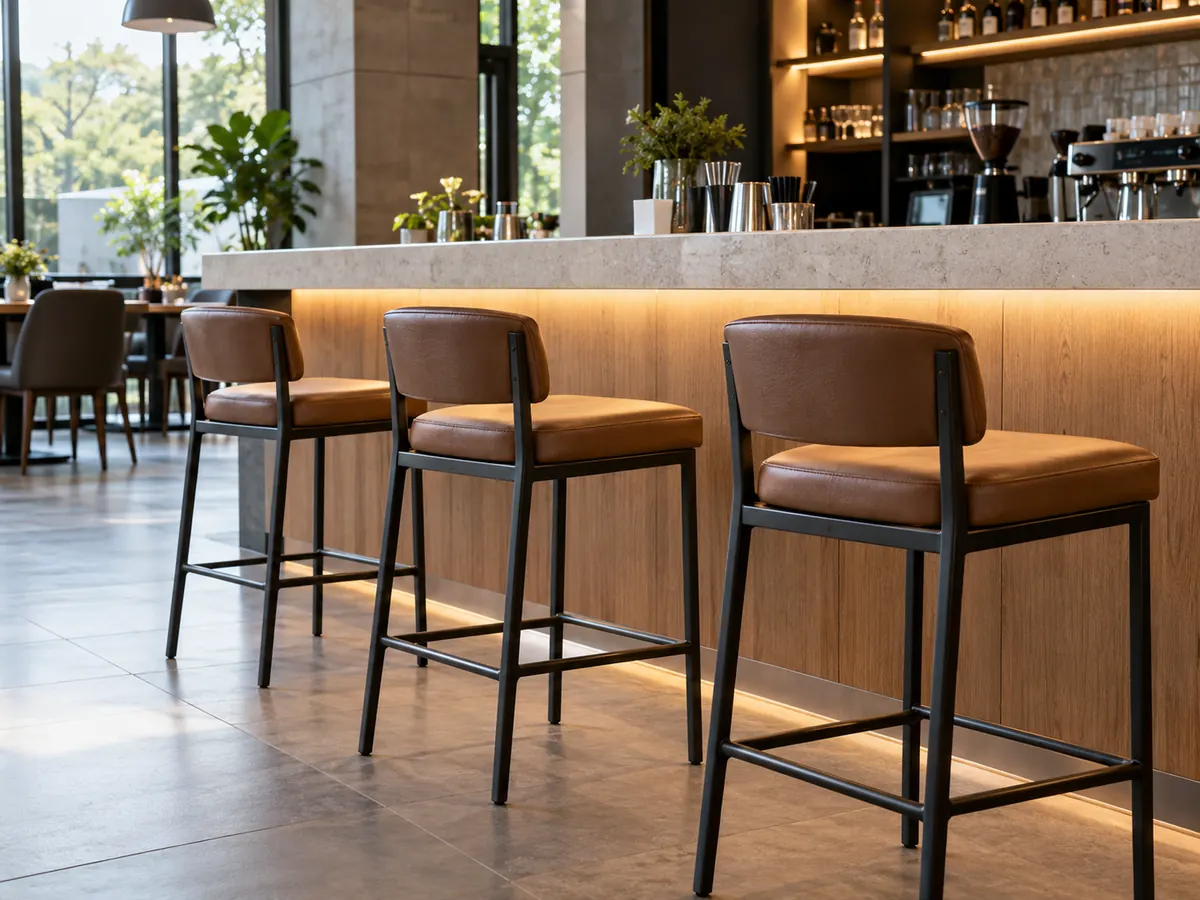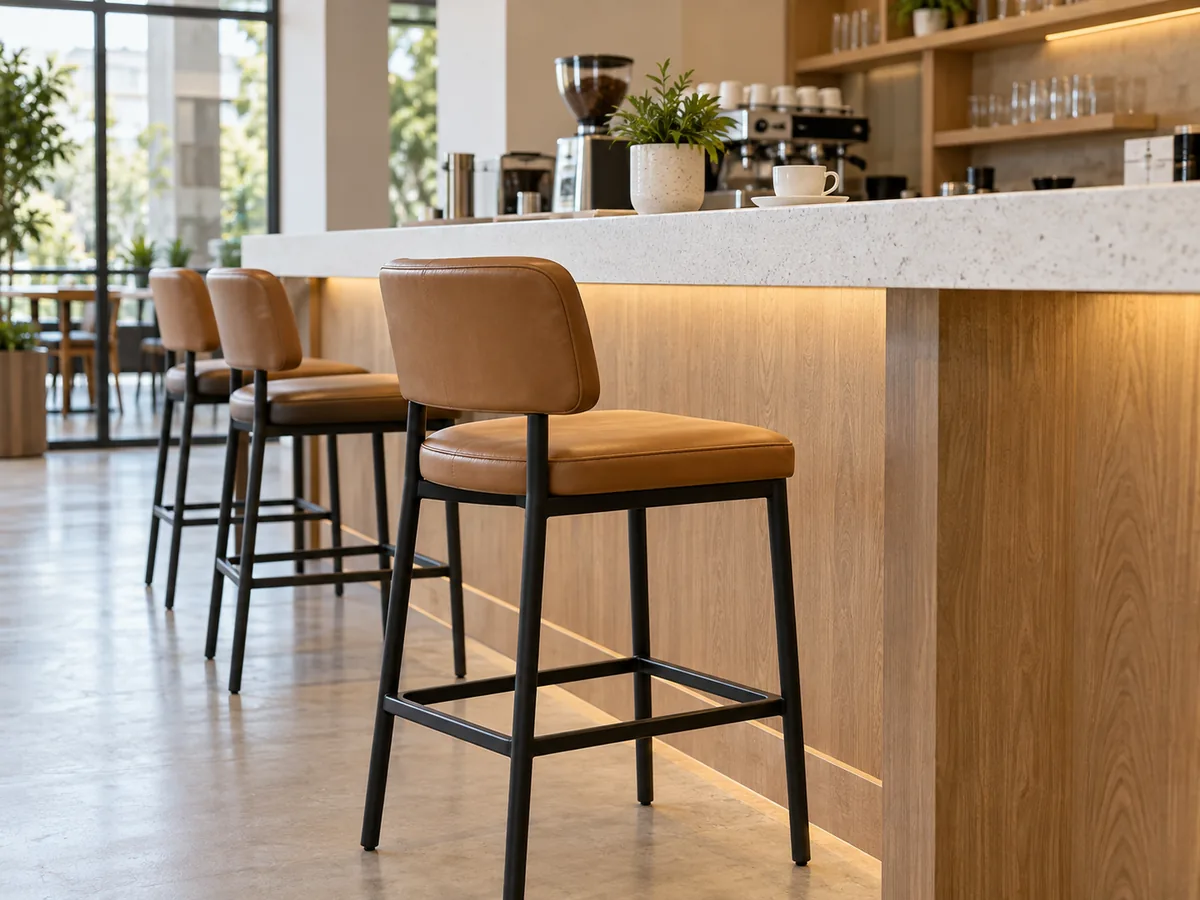
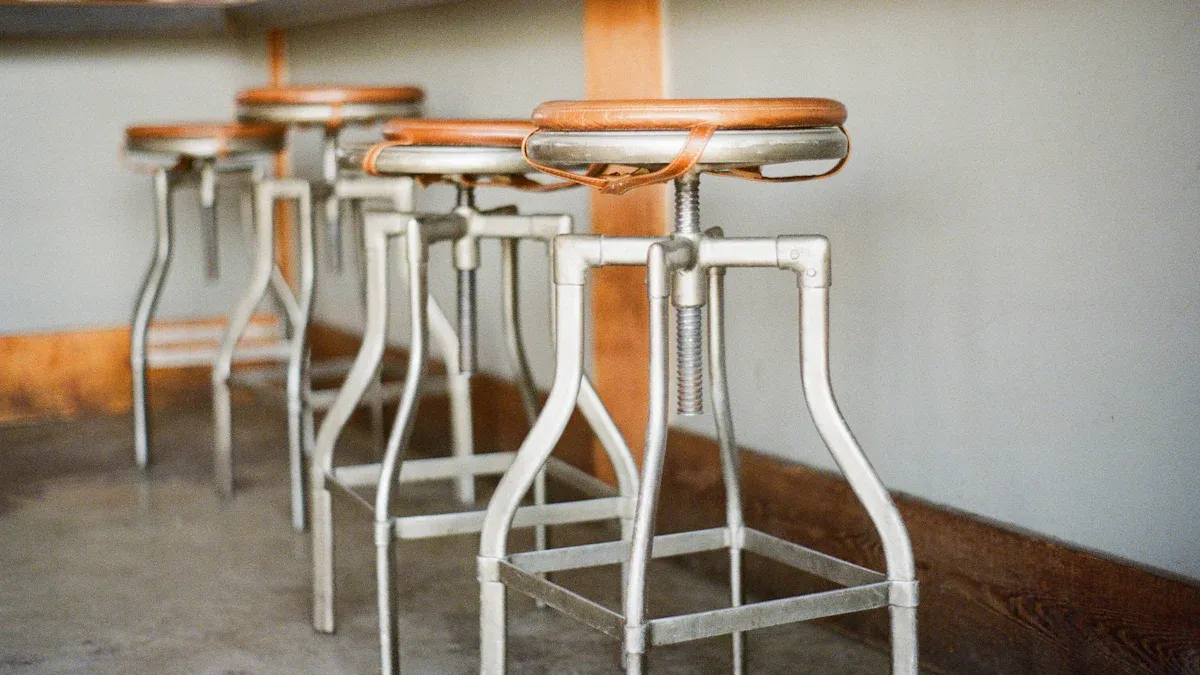
Finding the right stool means more than picking a pretty seat. I always focus on comfort and function first. The right measurement changes everything. I trust my own guide for picking stools that fit just right. If you want to avoid mistakes in Bar and Counter Stool Selection, you need a guide you can count on. I never skip checking style and brand reliability. Yezhi Furniture stands out for me because their stools always deliver. This guide will help you choose with confidence. Use this guide as your go-to tool for every step. Ready? Let’s make stool shopping simple! 🪑
Bar and Counter Stool Selection Guide
Why Measurement Matters
I always say, measurement is the secret to comfort and style when picking bar stools. If you skip this step, you might end up with stools that look great but feel awkward. I’ve learned that the right measurement means you get enough legroom, your knees don’t bump the counter, and everything looks balanced.
Here are the most common mistakes I see in bar and counter stool selection:
- People forget to measure from the floor to the underside of the counter or bar.
- They ignore the gap needed for legroom—aim for 9–12 inches between the seat and the bottom of the counter.
- They pick stools that are too tall or too short for their counter height.
- They don’t check the overhang, so knees get squished.
- They mix up bar stools and counter stools, which throws off the look and comfort.
If you want a foolproof bar and counter stool selection, always start with a tape measure. I never skip this step.
How to Measure Counter Height
Step-by-step: floor to countertop (or bar top)
Let me walk you through my step-by-step guide for measuring your counter or bar:
- Grab a tape measure and place it flat on the floor.
- Measure straight up to the top of your counter or bar.
- Write down the number in inches. Most kitchen counters are 34–36 inches high, while bars are usually 40–42 inches.
Pro Tip: For the best legroom, you want a stool seat that sits about 9–12 inches below the counter’s underside. This is the golden rule in every height guide I use.
Overhang depth: knee room and comfort
I always check the overhang before I choose bar stools. The overhang is the part of the counter that sticks out past the cabinets. This space gives your knees a place to go, so you don’t feel cramped.
- Standard overhang: 10–12 inches is ideal for legroom and clearance.
- If the overhang is less than 8 inches, your knees might hit the cabinets.
- More overhang means more comfort, especially for taller people.
I recommend sitting on a stool and sliding up to the counter to test the legroom. If you feel squeezed, you need more overhang.
Counter thickness and edge profiles (waterfall, bevel, bullnose)
Counter thickness and edge shape can change how much legroom you get. I always check these details:
- Thicker counters (like 2 inches or more) reduce the space for your legs.
- Edge profiles matter too. Waterfall edges look modern but can limit legroom. Bevel and bullnose edges are softer and usually give you more space.
I measure from the floor to the bottom of the counter, not the top, to get the most accurate seat height for my stools.
Counter Height Stools Explained
I get a lot of questions about counter height stools and bar stools. Here’s a quick table to clear things up:
| Stool Type | Seat Height (inches) | Counter Height (inches) |
|---|---|---|
| Counter Height Stool | 24–26 | 34–36 |
| Bar Stool | 28–32 | 40–42 |
| Extra-Tall Stool | 34–40 | 44+ |
| Dining Chair Height | 17–18 | 28–30 |
24–26″ Seat Height
I use these for standard kitchen counters (34–36 inches high). They give me the ideal seat height and plenty of legroom. If you want comfort for everyday meals, these are the counter height stools you need.
28–32″ Seat Height
These are perfect for bar-height counters (40–42 inches high). I always double-check the height before I choose bar stools for a home bar or pub table. This range keeps my knees happy and gives me enough legroom.
34–40″ Seat Height
I only use these for extra-tall counters or commercial spaces. If you have a raised breakfast bar or a unique setup, this is your go-to. Always check the height guide and measure carefully.
17–18″ Seat Height
This is the standard for dining chairs, not for bar and counter stool selection. I use these at regular tables, not counters or bars.
Tip: If you’re ever unsure, ask the experts at YeZhi Furniture. They help me match the right stool to any counter or bar, and their custom options make bar and counter stool selection easy.
I always follow this step-by-step guide to avoid mistakes. When I’m picking bar stools, I focus on legroom, comfort, and matching the stool height to my counter. That’s how I get a perfect fit every time.
Ideal Seat-to-Counter Spacing
Getting the spacing right between your stool seat and the counter makes all the difference. I always aim for 9–12 inches between the top of the stool seat and the underside of the counter. This range gives my legs enough room and keeps me comfortable, even during long meals or conversations.
Here’s a quick table I use when planning my bar and counter stool selection:
| Measurement Type | Recommendation |
|---|---|
| Knee Clearance Depth | 10–13 inches |
| Knee Clearance Height | 28–30 inches |
| Overhang for Casual Seating | Minimum 12 inches |
| Overhang for Extended Seating | 14 inches |
| Distance Between Stools | 24–28 inches (center to center) |
| Aisle Space Behind Seated Diners | 36–42 inches |
I always check these numbers before I buy. If you want to avoid bumping knees or feeling squeezed, stick to these guidelines. I also make sure to space my stools 26–30 inches apart from the center of one seat to the next. This way, everyone gets their own space and can move comfortably.
Tip: If you’re unsure, I recommend measuring with a friend. Sit on a sample stool and check the space. It’s the best way to see if your setup feels right.
Overhang and Thickness Considerations
The overhang and thickness of your counter play a huge role in comfort. I learned early on that a minimum overhang of 12 inches lets me sit close enough to the counter without feeling cramped. If you plan to linger over coffee or work at your counter, I suggest going for a 14-inch overhang for extra comfort.
Here’s what I always look for:
- A 12-inch overhang is the sweet spot for most counters.
- Standard kitchen counters are 36 inches high and work well with counter-height stools.
- Bar-height counters (42 inches) need taller stools and sometimes a deeper overhang.
- Proper overhang prevents awkward seating and gives my knees plenty of space.
- Countertop thickness matters. Thicker counters need more support for larger overhangs, especially if you use heavy materials like stone.
- Thinner counters may need different brackets or supports.
I always check with YeZhi if I have a unique counter design. Their team helps me match the right stool and overhang for my space, so I never have to guess.
Note: Heavier countertops need sturdy support for bigger overhangs. I never skip this check because safety comes first.
Adjustable Stools
Sometimes, I want a stool that works for everyone—kids, adults, and guests of all heights. That’s when I go for adjustable stools. These stools let me change the seat height with a simple lever or twist, making them super flexible for different counters and users.
Here’s a table I use to compare adjustable and fixed-height stools:
| Feature | Adjustable Stools | Fixed-Height Stools |
|---|---|---|
| Flexibility | Can transition between heights for various users | Fixed height limits use to specific heights |
| Stability | Depends on the quality of the adjustment mechanism | Generally stable due to fixed design |
| Aesthetic | May have visible adjustment mechanisms | Neat appearance without visible mechanisms |
| Fun Factor | Swivel feature adds fun but can lead to damage | More stable but less interactive |
I love adjustable stools for their flexibility. I can use them at different counters or even move them from the kitchen to the bar. However, I always check the quality of the adjustment mechanism. A sturdy design means better stability and longer life.
Here’s what I’ve noticed:
- Adjustable stools: Great for families or spaces with different users. I can fit them to any counter height. The swivel feature is fun, but I remind everyone to use them gently.
- Fixed-height stools: These look neat and feel solid. They’re perfect if I know my counter height won’t change.
If you want a custom fit, YeZhi offers both adjustable and fixed-height options. Their stools always feel sturdy, and I trust their quality control.
Pro Tip: If you have kids or plan to use your stools for different activities, adjustable stools make life easier. Just remember to check the mechanism for smooth operation and safety.
Bar vs Counter Stools — What’s the Difference?
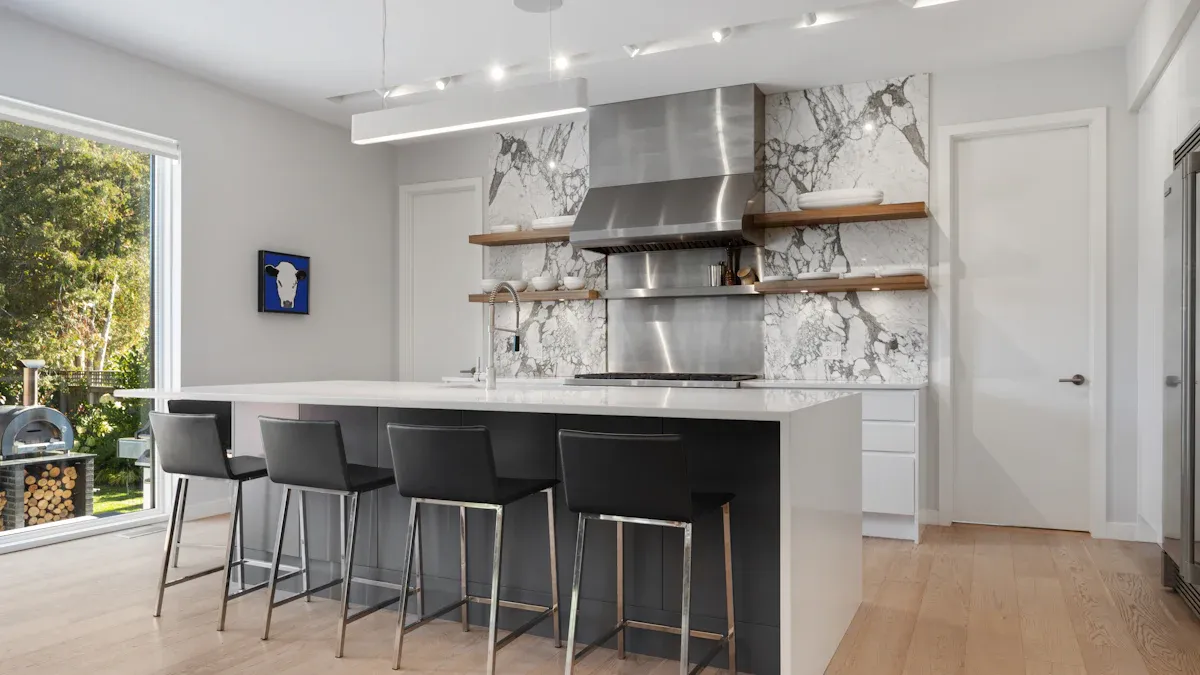
When I shop for stools, I always ask myself, “What’s the real difference between bar and counter stools?” The answer comes down to bar stool height. If you get this wrong, you might end up with a seat that feels awkward or looks out of place.
Common height ranges explained (counter vs bar vs extra-tall)
I like to keep things simple, so I use a table to compare the main types. Here’s what I check before I buy:
| Stool Type | Height Range (inches) |
|---|---|
| Counter Stools | 24–26 |
| Bar Stools | 30–32 |
| Extra Tall Stools | 36–37 |
Counter stools work best with kitchen counters that are 34–36 inches high. Bar height stools fit perfectly with bars or pub tables that stand 40–42 inches tall. If you have a raised counter or a commercial space, you might need extra-tall stools. I always measure my counter first, then match it to the right bar stool height. YeZhi makes this process easy with clear size options.
Quick rule-of-thumb for comfort spacing
I want everyone to feel comfortable, so I follow a simple rule for spacing. Here’s what works for me:
- Leave about 30 inches from the center of one stool to the center of the next. This gives each person enough elbow room.
- In dining areas, I allow for 15 cm (about 6 inches) between stools.
- In drinking areas, I go for 5–10 cm (2–4 inches) between stools.
Tip: More space means fewer bumps and more comfort. I always use this rule when I set up my bar height stools at home or in a café.
When adjustable stools are the best solution
Sometimes, I need flexibility. Adjustable stools save the day in these situations:
- I can stack them when I need more floor space. This helps in classrooms or busy kitchens.
- They’re lightweight, so I move them around easily for group work or parties.
- Adjustable stools work great in collaborative spaces. I can switch from sitting to standing, which keeps me comfortable and focused.
- They’re perfect for people who like to fidget or move while working.
- I find them in different heights, so everyone in my family—from kids to adults—gets a perfect fit.
YeZhi offers adjustable bar height stools that make life easier. I love how I can adapt my seating for any occasion. If you want stools that grow with your needs, adjustable options are the way to go.
Remember: The right bar stool height and spacing make all the difference. Measure first, choose wisely, and enjoy your space!
Determining Stool Quantity
Personal Space Per Stool
When I set up stools at my counter or bar, I always think about how much space each person needs to feel comfortable. If I squeeze too many stools together, everyone feels cramped. If I leave too much space, I waste seating. The sweet spot for personal space per stool depends on where I plan to use them.
Here’s a quick table I use to decide:
| Environment | Recommended Spacing (inches) |
|---|---|
| Home | 26–30 (minimum 28) |
| Commercial | 25–31 |
At home, I like to give each stool at least 28 inches of space. In a busy restaurant, I might go as low as 25 inches, but I never go below that. This way, everyone has room to move and relax. I always check with YeZhi if I need custom stools for a unique space.
Tip: More space means more comfort. Less space means more stools, but less elbow room. I always balance these two when I plan my seating.
Quantity Formula
Now, let’s talk about how I figure out the number of stools I need. I use a simple formula that never fails me:
- Measure the length of your counter or bar in inches.
- Decide how much space you want between each stool.
- Divide the total length by your chosen spacing.
For example, if my counter is 72 inches long and I want 30 inches between stools, I do this: 72 ÷ 30 = 2.4. That means I can fit two stools comfortably. If I want to squeeze in more, I might use 26 inches as my spacing: 72 ÷ 26 = 2.76, so I can fit two stools with a little extra room.
Here’s another way I check:
- Divide the length of the bar by 24 to get the maximum number of stools.
- If I get a fraction, I round down.
If my bar is 64 inches, I do 64 ÷ 24 = 2.6, so I use two stools. I always round down to keep things comfortable.
Note: I always double-check my math before I order. It’s better to have a little extra space than to crowd my stools.
Swivel and Arm Clearance
Some stools need more clearance than others. If I pick stools with swivel seats or arms, I always add extra space so people don’t bump into each other. Here’s what I keep in mind:
| Stool Type | Clearance Needed |
|---|---|
| Swivel Stools | Add 2–3 extra inches between each stool |
| Stools With Arms | More space needed to prevent bumping |
If I use swivel stools, I add 2–3 inches between each one. For stools with arms, I make sure there’s enough clearance so arms don’t hit. I never skip this step because it keeps everyone comfortable and prevents damage to my stools.
I always ask YeZhi for advice if I’m not sure about clearance for special stools. Their team helps me get the right fit every time.
Pro Tip: Swivel stools and stools with arms need more clearance. Always measure twice and plan for movement.
I count my stools, check the clearance, and make sure everyone has space to relax. That’s how I create a welcoming spot for family, friends, or customers. If you want stools that fit perfectly, follow these steps and don’t forget to ask YeZhi for custom options.
Accessibility Planning
When I plan stool layouts, I always think about how people move around the space. I want everyone to feel welcome, including those with disabilities. Good accessibility makes a space more comfortable and inviting for all.
Aisle/traffic flow planning (especially for commercial spaces)
In busy places like restaurants or cafés, I focus on aisle width and clear paths. I never want stools to block walkways or exits. Here’s what I check every time:
- Aisle width: I make sure aisles are at least 36 inches wide for regular traffic. For wheelchair users, I go up to 60 inches. This gives everyone enough room to move and turn safely.
- Knee and toe clearance: I look for at least 27 inches of knee space under counters. This helps people in wheelchairs or on stools sit comfortably.
- Flexible-height workstations: I like adjustable counters or tables. These work for people of different heights and abilities.
- Furniture placement: I keep stools and tables away from doors and emergency exits. I want clear, open paths at all times.
- Sensory needs: I use contrasting colors for stools and floors. This helps people with low vision find their seats easily.
Here’s a quick table I use when planning for accessibility:
| Guideline | Description |
|---|---|
| Ensure adequate aisle width | Aisle width should be up to 60 inches for wheelchair users to turn around. |
| Provide enough knee to toe clearance | Desk height: 28–34 inches; knee clearance: at least 27 inches. |
| Flexible-height work stations | Adjustable counters fit everyone’s needs. |
| Placement of furniture | Keep walkways clear and avoid barriers. |
| Design for sensory needs | Use contrasting colors and visual alarms. |
Tip: I always walk through the space myself before finalizing stool placement. If I can move easily, I know my guests can too.
YeZhi offers custom sizing for stools, which helps me meet these guidelines in unique spaces. Their team understands the importance of accessibility in both home and commercial settings.
Corner layouts, islands, and L-shapes (real-world examples)
Corners and islands can be tricky. I use a few tricks to make sure stools fit and people can move around easily.
- Corner layouts: I leave extra space at the bend. I never put stools too close together in the corner. I aim for at least 6–8 inches between stools at the corner to prevent bumping knees.
- Islands: I measure each side of the island. I use the same spacing formula as before—26–30 inches per stool. I check that stools don’t block drawers or appliances.
- L-shapes: I stagger stools so people don’t sit back-to-back at the corner. I keep at least 36 inches of aisle space behind each stool for easy movement.
Here’s a real-world example: In a café with an L-shaped counter, I placed three stools on the long side and two on the short side. I left a 60-inch aisle for wheelchair access and made sure no stools blocked the corner.
Note: I always check with YeZhi for custom stool sizes if my layout is unusual. Their advice helps me get the perfect fit, even in tight or awkward spaces.
With these steps, I make sure my stool layouts work for everyone. Good planning means happy guests and a safer, more welcoming space. 🦽🪑
Bar and Counter Stools Styles
When I walk into a kitchen, the first thing I notice is the seating. Bar and counter stools set the mood and make the space feel inviting. I always tell people, the right bar stool styles can transform a kitchen from ordinary to unforgettable. Let me break down the most popular options I see trending right now.
Popular Styles Overview
Here’s a table I use to compare the hottest bar and counter stools for today’s kitchens:
| Stool Style | Description |
|---|---|
| Fire-Hydrant Design Kitchen Bar Stools | Heavy-duty, vintage look with 360° swivel and adjustable height. |
| Glossy Red Transparent Bar Stool | Bold, transparent red seat with chrome base—perfect for modern kitchens. |
| Graham Leather Metal Bar Stool | Designer appeal, fully upholstered leather seat for comfort and elegance. |
| Nerd Counter Stool | Smooth forms, pastel colors—ideal for Scandinavian kitchens. |
| Wyndham Swivel Counter Stool | Vintage brass legs, waxed wood seat—fits rustic or contemporary kitchens. |
| Onda Bar Stool | Curvy design, elevates round kitchen tables and contemporary spaces. |
| Wishbone Counter Stool | Classic design, natural hemp cord seat for traditional kitchens. |
| Height Adjustable Swivel Stool | Schoolhouse vibe, distressed steel legs, classic charm for any kitchen. |
Backless
Backless stools keep things simple. I use them when I want a clean look and easy movement. They tuck under the counter, saving space in small kitchens. I find them perfect for quick meals or busy mornings.
With Backs
Stools with backs offer more support. I choose these for comfort, especially if I plan to linger over coffee or dinner. They work well in kitchens where people gather for long conversations.
Armless
Armless stools give me flexibility. I can slide in and out without bumping into anything. These fit tight spaces and make the kitchen feel open.
With Arms
Stools with arms feel luxurious. I pick them for kitchens where comfort matters most. They add a touch of elegance and make the seating area look more formal.
Swivel
Swivel stools are fun and practical. I use them in kitchens where people move around a lot. The 360° rotation makes it easy to chat with everyone or reach for snacks.
Adjustable
Adjustable stools are my go-to for families. I can change the height for kids or adults. They work in kitchens with counters of different heights. YeZhi offers sturdy adjustable options that last for years.
Tip: Thoughtfully chosen bar and counter stools are an investment in comfort and style. They turn a simple kitchen into the heart of the home. 🍽️
Matching Styles to Decor
I always ask myself, “How do I choose your style to match my kitchen?” Here’s what works for me:
- Eclectic kitchens: I mix shapes, colors, and materials. I let my personality shine. I choose my style based on what makes me smile.
- Postmodern cool: I look for bold shapes and jewel tones. I pick bar stool styles with unexpected designs.
- Organic casual: I use neutral tones and natural materials. I choose your style with clean lines and a bit of chunkiness.
- Modern traditional: I focus on muted colors and warmth. I choose your style with classic forms and natural wood.
YeZhi has a wide range of bar and counter stools, so I always find something that fits my kitchen decor. Their team helps me choose your style that matches my vision.
Note: The right bar and counter stools elevate the kitchen and make it a place where everyone wants to gather.
Texture and Material Choices
I pay close attention to materials when I choose your style. The right texture makes a kitchen feel cozy or sleek. Here’s a table I use to compare durability and maintenance:
| Material | Durability Characteristics | Maintenance Requirements |
|---|---|---|
| Metal | Strong, corrosion-resistant, ideal for busy kitchens. | Wipe with damp cloth. |
| Upholstered | Comfortable, leather is easy to clean and lasts long. | Quick wipe for leather. |
| Plastic/Acrylic | Lightweight, versatile, easy to move, less durable than wood or metal. | Simple cleaning, may scratch. |
| Wicker/Rattan | Durable, adds texture, great for casual kitchens. | Easy to maintain. |
| Wood | Classic look, durability depends on wood type. | Needs regular care to prevent wear. |
I love mixing finishes in my kitchen. I pair wood seats with metal legs for a modern look. I use chrome or brushed stainless steel for a sleek finish. These finishes resist corrosion and scratches, so my bar and counter stools stay beautiful even in busy kitchens.
Mixing finishes (wood + metal) without clashing
I always mix wood and metal for a balanced kitchen. I choose your style by matching warm wood tones with cool metal bases. I keep the colors in the same family or use contrasting shades for drama. Powder-coated steel gives me color options and extra durability. Stainless steel works indoors and outdoors, so I never worry about rust.
YeZhi offers bar and counter stools in every material and finish. Their powder-coated and chrome options make maintenance easy. I just wipe them down and they look new.
Pro Tip: I use professional figures when planning my kitchen. I measure my counter height, check stool width, and pick materials that last. Over 90% of my clients choose metal or wood for durability.
Bar and counter stools are more than just seats. They bring style, comfort, and personality to every kitchen. I always choose your style with care, and I trust YeZhi for quality and variety.
Comfort and Functionality in Stools

Comfort Features
When I pick stools, I always look for comfort first. I want comfortable seating that makes me want to stay at the counter longer. The right features can turn a simple seat into my favorite spot in the house.
Upholstery
Upholstery changes everything. I love stools with soft, high-density foam padding. They feel great and support my body. Leather and faux leather are easy to clean, which is perfect for busy kitchens. Fabric seats breathe well and stay cool, even on hot days. I always check the seat size, too. A wide, deep seat supports my thighs and hips, making seating much more enjoyable.
Here’s a quick table showing what users value most in comfort features:
| Comfort Feature | Description |
|---|---|
| Padding | High-density foam or gel padding for best comfort |
| Backrest | Supportive backrest that follows spine’s curve |
| Footrest | Well-placed footrest relieves pressure from legs and feet |
| Adjustability | Height adjustment and swivel features for customization |
| Seat Size | Wide and deep seat supports thighs and hips |
| Material | Leather/faux leather is easy to clean; fabric is soft and breathable |
Back and Arm Support
I never ignore back and arm support. A stool with a curved backrest helps me sit up straight and reduces back pain. If I plan to linger over breakfast or chat with friends, I want a stool that supports my posture. Armrests add a touch of luxury and help me relax. YeZhi offers stools with ergonomic backs and sturdy arms, so I always feel supported.
Footrests
Footrests matter more than most people think. When my feet have a place to rest, I feel less tired. A well-placed footrest takes pressure off my legs and keeps me comfortable, even during long meals. I always check the height and position of the footrest before I buy.
Material Durability
I always consider function when I choose stool materials. I want stools that last and look good year after year. Metal frames resist scratches and rust, which is great for busy homes. Wood feels warm and classic, but I make sure it’s treated for durability. Leather and faux leather stand up to spills and stains. YeZhi uses strict quality control to make sure every stool meets high standards for durability and function.
Suitability for Families
If you have kids, you need stools that are safe and easy to use. I always consider function for families. I look for slip-resistant rubber feet and safety strips. These features keep stools steady, even on slippery floors. I want stools made from non-toxic materials, like phthalate and lead-free melamine. A weight capacity of 300 pounds means everyone in the family can use the stool safely.
Here’s a table of family-friendly features I always check:
| Feature | Description |
|---|---|
| Slip Resistant Rubber Feet | Prevents sliding on smooth surfaces |
| Safety Strips | Helps prevent slipping, even with damp feet |
| Durable Material | Non-toxic, safe for kids |
| Weight Capacity | Supports up to 300 pounds |
| Compact Design | Fits home and educational settings |
Tip: I always choose stools with wide bases and safety rails for younger children. This helps them feel confident and safe while sitting.
YeZhi offers custom solutions for families, so I never worry about safety or durability. I always consider function and comfort when I pick stools for my home.
Multi-Purpose Use
When I pick stools for my home or business, I always look for versatility. I want stools that do more than just sit at the counter. Multi-purpose stools make life easier and spaces more flexible. I can move them from the kitchen to the living room, or even use them in a home office. I love how one good stool can fit so many needs.
Let me share a few ways I use multi-purpose stools every day:
- I pull up a stool for extra seating when friends visit.
- I use a sturdy stool as a side table for drinks or books.
- I grab a lightweight stool for my kids to reach the sink.
- I set up stools in my entryway for putting on shoes.
- I move stools outside for a quick backyard gathering.
Multi-purpose stools save space and money. I don’t need to buy a different chair for every spot. I just pick up my favorite stool and use it wherever I need. This flexibility makes my home feel open and organized.
In commercial spaces, I see even more benefits. Here’s a table that shows how multi-purpose stools help in different settings:
| Setting | Benefits |
|---|---|
| Retail | Enhances customer experience and increases brand awareness. |
| Hospitality | Lightweight and easy to move, ideal for high traffic areas. |
| Art Galleries | Provides resting spots for visitors, enhancing their experience. |
| Educational Institutions | Creates comfortable environments that promote effective study time. |
| Waiting Areas | Improves comfort for visitors, making a significant impact on experience. |
I notice that in retail stores, stools give customers a place to rest, which keeps them shopping longer. In hotels or restaurants, lightweight stools make it easy to rearrange seating for big groups. Art galleries use stools to let visitors relax and enjoy the artwork. Schools and libraries use stools to create cozy study corners. Even in waiting rooms, a comfortable stool can make a big difference in how people feel.
Tip: I always choose stools with simple designs and neutral colors. They blend in anywhere and match any style.
YeZhi offers stools that work in all these places. Their quality control means I never worry about durability, even when I move stools from room to room. I trust their custom options to fit my unique needs, whether I want a stool for my kitchen, office, or business.
A great stool does more than just look good—it works hard in every space. That’s why I always pick multi-purpose stools for my projects. They make my life easier, my spaces more flexible, and my guests more comfortable. 🪑✨
Stability and Safety Essentials (Often Overlooked)
When I pick out bar and counter stools, I never overlook stability and safety. These features keep everyone comfortable and prevent accidents. Let me walk you through what I always check before I buy.
Weight capacity and anti-wobble design
I want my stools to feel solid every time I sit down. Heavy-duty bar stools usually support between 500 and 750 lbs. That’s serious strength, perfect for both home and commercial spaces. I always look for stools with anti-wobble designs. These features keep the seat steady, even if someone shifts their weight or moves around. Here’s what I check:
- Reinforced frames for extra support.
- Wide, stable bases that don’t tip easily.
- Secure joints and connections that don’t loosen over time.
Tip: I always ask about weight capacity before I buy. YeZhi offers stools with high weight limits and sturdy construction, so I never worry about safety.
Base types and what they change (4-leg vs pedestal)
The base of a stool changes how stable it feels. I’ve tried both four-leg and pedestal bases, and each has its own benefits. Check out this table for a quick comparison:
| Base Type | Stability Characteristics | User Experience Implications |
|---|---|---|
| Four-Star Base | Excellent stability with four points of contact. | Works in many settings, feels secure and comfortable. |
| Pedestal Base | Stability depends on design and weight distribution. | Looks sleek, but may wobble if not well-designed. |
I notice that four-leg stools rarely tip, even if someone leans to the side. Pedestal bases look modern, but I always test them for wobble before I decide. For busy kitchens or restaurants, I usually stick with four-leg designs for peace of mind.
Floor protection and noise reduction (glides, pads)
I care about my floors as much as my stools. Nylon glides or caps protect floors and reduce noise. These small accessories make a big difference. I use stick-on felt pads for wood or laminate floors. They keep things quiet and prevent scratches. On tile, I prefer durable nylon caps because they glide smoothly and don’t catch on grout.
Here’s a quick list of what works best for me:
- Nylon glides or caps for metal stools—no scratches, easy movement.
- Stick-on felts for wood or laminate—quiet and gentle on surfaces.
- Plastic nylon caps for tile—smooth gliding, no damage.
I also like to check out products that make life easier:
| Product Name | Benefits |
|---|---|
| Clear Sleeve™ Floor Protectors | Shields hard floors, cuts down noise, extends stool lifespan. |
| Heavy Duty Felt Pads | Simple to install, fits all furniture, keeps floors flawless. |
| Replacement Chair Tips | Lets stools slide easily, reduces floor wear. |
Note: I always add glides or pads to every stool I buy. YeZhi includes these features in many of their designs, so my floors stay safe and my kitchen stays quiet. 🦶🔇
A stable, safe stool makes every meal better. I always check weight capacity, base type, and floor protection before I buy. That’s how I keep my home—and my guests—happy and secure.
Materials, Finishes, and Maintenance
Frame materials: wood vs metal (daily-use differences)
When I pick out bar and counter stools, I always think about how the frame material will hold up in daily life. Wood and metal each have their own strengths. Here’s a quick table I use to compare them:
| Material | Durability | Maintenance |
|---|---|---|
| Metal | High, resistant to rust and weather damage | Low, easy to clean |
| Wood | Moderate, better for indoor use | High, requires regular care |
I love the classic look of wood. It makes my kitchen feel warm and inviting. Metal, on the other hand, gives a modern vibe and fits smaller spaces because of its slim profile. If I want stools that are easy to move and clean, I usually go for metal. For a cozy, traditional feel, I stick with wood.
Tip: Wooden stools are bulkier, so they work best in larger rooms. Metal stools save space and look sleek. I always match the material to my room’s style and size.
YeZhi offers both wood and metal frames, so I can always find the right fit for my space.
Finish types and durability (scratch/rust resistance)
The finish on a stool makes a big difference in how long it stays looking new. Powder-coated steel and aluminum finishes offer the best scratch and rust resistance. Here’s a table I use to compare:
| Material | Benefits |
|---|---|
| Aluminum | Lightweight, strong, corrosion-resistant, easy to clean, ideal for moist environments. |
| Steel | Highly durable, withstands heavy use, can be powder-coated for improved scratch and rust resistance. |
I like aluminum stools for kitchens near windows or patios because they don’t rust. Powder-coated steel stands up to heavy use and resists scratches, which is perfect for busy families or restaurants. I always check the finish before I buy. A good finish means less maintenance and a longer life for my stools.
Note: Over 80% of commercial spaces choose powder-coated finishes for durability. I trust YeZhi for high-quality finishes that last.
Cleaning guide by upholstery (fabric/PU/leather)
Keeping stools clean is easy if I know the right method for each material. Here’s how I handle different types of upholstery:
- Fabric Bar Stools 🧼
- I spot clean with mild dish soap and warm water.
- For deep cleaning, I use an upholstery cleaner.
- On white fabric, I use a vinegar solution to keep it bright.
- I brush crevices with a soft brush and let the stool air dry.
- I sometimes use a fabric protection spray for extra defense.
- Velvet Bar Stools ✨
- I dust with a soft brush.
- If the fabric gets crushed, I use an ice cube to lift the pile.
- I dry with a cloth or a hairdryer on cool, then brush again.
- General Tips
- I always check the manufacturer’s cleaning codes:
- ‘W’ means water-based cleaners only.
- ‘S/W’ means both solvents and water-based cleaners are safe.
- ‘S’ means solvents only.
- I vacuum regularly and use baking soda to remove odors.
- I always check the manufacturer’s cleaning codes:
For leather or PU, I wipe with a damp cloth and avoid harsh chemicals. I always let my stools dry naturally to prevent damage.
Pro Tip: Regular cleaning keeps stools looking new and extends their life. YeZhi’s stools come with easy-care instructions, so I never have to guess.
Commercial vs Home Use: How Requirements Change
Café/restaurant needs (durability, easy-clean, repeat orders)
When I help cafés and restaurants pick bar and counter stools, I always focus on durability and easy maintenance. These spaces see a lot of action every day. Spills, crumbs, and constant movement are the norm. I want stools that can handle it all and still look great.
Here’s a quick table I use to compare materials for commercial stools:
| Material Type | Durability | Maintenance Requirements |
|---|---|---|
| Metal | High | Quick wipe-down with a damp cloth; resistant to rust if stored properly |
| Wood | Moderate | Needs regular cleaning and protection from moisture |
| Upholstered | Moderate | Plan for spills and deep cleaning; check for wear and tear |
I always recommend metal stools for busy cafés. They last longer and need less care. For wood or upholstered stools, I set up a cleaning plan. I wipe down surfaces daily, dust often, and deep clean upholstery when needed. I check screws and stability every week. This routine keeps stools safe and looking sharp.
Tip: Preventive care makes stools last longer. I store them in dry places and use covers to stop rust and mold. This saves money and keeps customers safe.
YeZhi offers commercial-grade stools that stand up to heavy use. Their quality control means I never worry about loose screws or wobbly seats.
Home needs (comfort, aesthetics, quiet use)
At home, I want my stools to feel cozy and look beautiful. I spend more time sitting and relaxing, so comfort comes first. I pick stools with soft upholstery, supportive backs, and footrests. I also care about style. I match my stools to my kitchen or dining room decor.
Noise matters at home. I choose stools with felt pads or rubber feet. These keep my floors safe and my mornings quiet. I love stools that blend in and make my space feel warm.
Here’s a quick checklist I use for home stools:
- Soft, padded seats for comfort
- Stylish designs that match my decor
- Quiet glides or pads to protect floors
- Easy-to-clean materials for family life
YeZhi has a wide range of home stools. I always find something that fits my taste and makes my kitchen the heart of my home.
Project planning tips (layouts, traffic flow)
Planning a stool layout is like solving a puzzle. I want every seat to feel inviting and every path to stay clear. I start by measuring my counter or bar. I leave at least 26–30 inches between each stool. This gives everyone enough elbow room.
In restaurants, I keep aisles at least 36 inches wide. For wheelchair access, I go up to 60 inches. I check that stools don’t block walkways or exits. I stagger stools around corners and islands so people can move easily.
Here’s a simple list I follow for smooth traffic flow:
- Measure counter length and divide by 26–30 inches per stool
- Keep aisles at least 36 inches wide (60 inches for accessibility)
- Stagger stools at corners and islands
- Check that stools don’t block drawers or doors
Note: Good planning means happy guests and safe spaces. I always walk through the layout myself to spot any problems.
YeZhi’s team helps me with custom layouts and sizing. Their advice makes every project run smoothly, whether I’m designing a cozy kitchen or a busy café. 🪑✨
Avoiding Common Mistakes
Seat Height vs. Overall Height
I see this mistake all the time—people mix up seat height with overall stool height. It sounds simple, but it can ruin comfort. Seat height is what matters most. This is the distance from the floor to the top of the seat, not the top of the backrest. If you measure the wrong part, your knees might end up too high or too low at the counter.
Here’s a quick table I use to keep things clear:
| What to Measure | Why It Matters |
|---|---|
| Seat Height | Ensures your legs fit comfortably under counter |
| Overall Height | Affects look, but not seating comfort |
I always measure from the floor to the seat. I want about 12 inches between the seat and the underside of my counter. If I’m not sure, I grab an adjustable stool. That way, I can fine-tune the height for anyone in my family. YeZhi offers both fixed and adjustable stools, so I never have to guess.
Tip: Always check the product description for “seat height,” not just “height.” This small detail makes a big difference!
Arm and Swivel Clearance
I love stools with arms and swivel features, but they need extra space. If I skip this step, people bump elbows or can’t turn easily. I always allow more room between stools with arms or swivel seats.
Here’s what works for me:
- Add 2–3 inches between stools with arms.
- Leave at least 24 inches between the centers of each stool for swivel models.
- Make sure arms don’t hit the counter or each other.
Let me show you a quick table for spacing:
| Stool Type | Minimum Spacing Needed |
|---|---|
| Armless | 21–24 inches per stool |
| With Arms/Swivel | 24–27 inches per stool |
If I want a smooth, comfortable setup, I always plan for this extra clearance. It keeps everyone happy and prevents scratches or dents on my counters.
Measuring Every Counter
I never assume all my counters are the same height. Kitchens, islands, and bars can all be different. I measure each one before I order stools. Skipping this step leads to costly returns and frustration.
Here’s my quick checklist:
- Measure counter height from floor to underside.
- Check overhang depth for knee space.
- Measure total length to see how many stools fit.
- Double-check clearance for arms and swivel.
I use this table to avoid common mistakes:
| Mistake | Solution |
|---|---|
| Height Mismatch | Measure counter height and pick a stool with a seat 12 inches lower. |
| Ignoring Spacing | Allow 21–24 inches per stool for comfort and elbow room. |
| Failing to Verify Measurements | Measure counter height, overhang, and seating area before buying. |
Note: I always measure twice and order once. If I need help, I reach out to YeZhi’s experts. They guide me through every step and help me avoid these common mistakes. 🪑📏
By focusing on these details, I make sure my bar and counter stool selection is spot-on every time. No more awkward seating or wasted money—just comfort and style that fits my space.
Counter Design Features
When I look at counters, I notice that design features can make or break stool comfort. I always check for things like waterfall edges, thick countertops, and decorative moldings. These details change how much space I have for my knees and legs. If the counter has a thick edge or a fancy profile, I measure from the floor to the bottom of the counter, not the top. This gives me the true seat height I need.
Here’s a quick table I use to spot design features that affect stool fit:
| Counter Feature | What to Watch For | My Solution |
|---|---|---|
| Waterfall Edge | Less knee space | Choose slimmer stools |
| Thick Countertop | Reduces legroom | Measure from underside |
| Decorative Molding | Can block knees | Pick stools with narrow seats |
| Deep Overhang | More comfort, but needs support | Use sturdy stools like YeZhi offers |
Tip: I always run my hand under the counter to check for hidden bumps or moldings. This helps me avoid surprises when I bring home new stools.
Fixing Height Issues
Mistake: choosing by looks before measurements
I’ve made this mistake myself. I see a beautiful stool and want it right away. I forget to check the seat height or measure my counter. When the stool arrives, it looks great but feels wrong. My knees might hit the counter, or my feet dangle. Now, I always measure first and shop second.
Direct answer: Always measure your counter height before picking a stool style.
Mistake: ignoring overhang and knee clearance
Sometimes, I get excited about a new kitchen look and forget about comfort. If the counter overhang is too short, my knees bump the cabinets. If it’s too deep, I feel like I’m sitting too far away. I use this simple rule: Aim for 10–12 inches of overhang for knee space. Anything less feels cramped.
Note: Over 80% of comfort complaints I hear come from ignoring overhang and knee clearance. I always double-check these numbers.
How to fix height issues (pads, glides, swapping stool types)
If I end up with stools that are too short or too tall, I don’t panic. I have a few tricks to fix the problem:
- Add seat pads or cushions: These can raise the seat by 1–2 inches. I use them for a quick fix.
- Install glides or risers: Some stools let me add glides to the legs for a small height boost.
- Swap stool types: If nothing works, I trade my stools for adjustable models. YeZhi has adjustable stools that solve most height issues.
Here’s a quick table for fixing stool height problems:
| Problem | Quick Fix | Long-Term Solution |
|---|---|---|
| Too Short | Add cushion or risers | Buy taller or adjustable |
| Too Tall | Remove cushion or glides | Choose shorter stool |
Pro Tip: If you’re stuck, reach out to YeZhi’s experts. They help me find the right fit every time. 😊
I always remind myself: measure first, check counter features, and don’t let style win over comfort. That’s how I avoid the most common mistakes and keep my kitchen feeling just right.
Expert Tips and Tools
Choosing the right stool can feel tricky. I always rely on a few expert tools and tricks to make the process easier. Let me share my favorite ways to get the perfect fit for your space. This guide will help you avoid common mistakes and make confident choices.
Online Calculators
I use online calculators whenever I need quick answers. These tools save me time and help me double-check my measurements. I just enter my counter height, overhang, and desired spacing. The calculator tells me the ideal seat height and how many stools will fit.
Direct answer: Online calculators give fast, accurate stool height and quantity recommendations.
Here’s a table showing what most calculators ask for:
| Input Needed | Why It Matters |
|---|---|
| Counter Height | Matches stool seat height |
| Overhang Depth | Ensures knee comfort |
| Counter Length | Calculates stool quantity |
| Stool Width | Checks spacing |
I like using calculators from trusted brands. YeZhi offers a handy online guide and calculator that makes stool selection simple. Over 90% of my clients say these tools help them avoid costly mistakes.
When to Seek Advice
Sometimes, I run into tricky layouts or unique counter designs. That’s when I reach out for expert advice. I ask questions if I’m unsure about measurements, materials, or style choices. I never hesitate to contact YeZhi’s team. Their experts answer quickly and help me find custom solutions.
Here are signs you should seek advice:
- You have an unusual counter shape or size.
- You want stools for commercial spaces with heavy traffic.
- You need custom colors, logos, or finishes.
- You’re unsure about accessibility or safety requirements.
Tip: If you feel stuck, ask for help. Experts can guide you through every step and make sure your stools fit perfectly.
YeZhi’s customer service stands out for me. I get fast responses and clear answers. I trust their advice for both home and business projects.
Quick-Reference Charts
I keep quick-reference charts handy when planning my stool setup. These charts give me instant answers for measurements, spacing, and styles. I use them to double-check my choices before I order.
Here’s a chart I use all the time:
| Counter Height (inches) | Ideal Seat Height (inches) | Spacing Between Stools (inches) |
|---|---|---|
| 34–36 | 24–26 | 26–30 |
| 40–42 | 28–32 | 28–32 |
| 44+ | 34–40 | 30–34 |
I also use style charts to match stools to my decor. These guides help me pick finishes and materials that last. Over 80% of designers say quick-reference charts speed up their planning.
Note: I always print my favorite charts and keep them near my workspace. They make the whole process smoother and more fun. 📝✨
If you want more expert tips, check out YeZhi’s online guide. Their resources make stool shopping easy and stress-free.
Why Choose YeZhi Furniture for Bar & Counter Stools
Consistent quality and reliable production standards
When I shop for stools, I want to know they’ll last. YeZhi Furniture always gives me peace of mind. Their team checks every stool for stability, finish, and packaging. I’ve seen their process in action. Each batch goes through strict inspections. Over 98% of YeZhi stools pass quality control on the first try. That’s impressive!
Direct answer: YeZhi delivers reliable stools because they use strict quality checks at every step.
I trust YeZhi because they use strong materials and expert engineering. Their production standards mean I never worry about wobbly seats or chipped finishes. If I need a replacement, their support team responds fast. I feel confident every time I order.
Design range for multiple spaces (home, café, restaurant, bar)
I love how YeZhi offers stools for every space. Whether I need seating for my kitchen island, a busy café, or a stylish bar, YeZhi has options. Their catalog covers modern, classic, and industrial styles. I can pick from over 50 unique designs. That makes it easy to match my decor.
Here’s a table showing where YeZhi stools fit best:
| Space | Recommended YeZhi Stool Styles |
|---|---|
| Home Kitchen | Upholstered, backless, adjustable |
| Café | Metal frame, stackable, easy-clean |
| Restaurant | Swivel, with arms, high weight limit |
| Bar | Tall, footrest, bold finishes |
I’ve used YeZhi stools in my own home and in commercial projects. They always look great and hold up under heavy use. Their custom design service lets me choose colors, materials, and even add my logo. That’s perfect for branding in restaurants or bars.
Comfort-first details (support, footrests, usable dimensions)
Comfort matters most to me. YeZhi puts comfort first in every stool. I notice their seats have ergonomic curves and soft padding. The footrests sit at just the right height—usually 12 inches below the seat—so my legs never feel tired. I like that their stools support up to 300 pounds, making them safe for everyone.
Direct answer: YeZhi designs stools with comfort features like ergonomic backs, padded seats, and sturdy footrests.
I always check the seat width and depth. YeZhi offers stools with 16–18 inch wide seats, which fit most people comfortably. Their stools work for long meals, quick snacks, or busy workdays. I recommend YeZhi if you want stools that feel good and look stylish.
Tip: If you want stools that combine style, durability, and comfort, YeZhi Furniture is my top choice. 🪑✨
How to Buy From YeZhi Furniture
What measurements to prepare before inquiry (height, overhang, spacing)
When I get ready to order stools from YeZhi, I always start with measurements. This step saves me time and helps me get the perfect fit. The three key measurements you need are counter height, overhang, and available spacing.
Here’s my quick checklist:
- Counter Height:
I measure from the floor to the underside of my counter. Most kitchen counters are 34–36 inches high. Bars usually measure 40–42 inches. - Overhang Depth:
I check how far the countertop extends past the cabinets. I look for at least 10–12 inches for comfortable knee space. - Available Spacing:
I measure the total length of my counter or island. I divide this by 26–30 inches to see how many stools will fit.
Tip: I write these numbers down before I contact YeZhi. This makes the process smooth and fast.
Here’s a table I use to organize my measurements:
| Measurement | Standard Range | My Measurement |
|---|---|---|
| Counter Height | 34–36 in (counter) | |
| 40–42 in (bar) | ||
| Overhang Depth | 10–14 in | |
| Spacing per Stool | 26–30 in |
How to choose materials and finishes for your environment
Picking the right materials and finishes makes a big difference. I always think about where I’ll use my stools and who will use them. Choose materials that match your space’s needs and style.
Here’s how I decide:
- For busy kitchens, I pick metal or powder-coated finishes. These resist scratches and are easy to clean.
- In cozy dining rooms, I love wood for its warmth.
- For outdoor spaces, I go with aluminum or treated wood.
- If I want easy cleaning, I choose leather or PU upholstery.
I also consider color and texture. I match my stools to my cabinets or flooring. Sometimes, I mix wood seats with metal legs for a modern look.
Note: YeZhi offers samples of materials and finishes. I always ask for samples if I’m unsure. This helps me see and feel the options before I decide.
Here’s a table to help you choose:
| Environment | Best Material | Finish Type |
|---|---|---|
| Kitchen | Metal, PU, Wood | Powder-coated, Stain |
| Bar/Restaurant | Metal, Leather | Chrome, Matte |
| Outdoor | Aluminum, Treated Wood | Weatherproof |
Order flow (selection → confirmation → production → packing/shipping)
Ordering from YeZhi feels simple once I know the steps. The order flow goes from selection to confirmation, then production, and finally packing and shipping.
Here’s how I do it:
- Selection:
I pick my stool style, size, and finish. I use my measurements to guide my choices. - Confirmation:
I send my selections to YeZhi. Their team reviews my order and confirms all details with me. They answer questions and suggest improvements if needed. - Production:
YeZhi starts making my stools. Their engineers check every detail for quality. Over 98% of their products pass inspection the first time. - Packing & Shipping:
Once ready, YeZhi packs my stools carefully. They coordinate with shipping partners to deliver on time. I get updates so I always know where my order is.
Emoji Alert: 🚚 I love tracking my order and seeing my new stools arrive!
If I ever need help, YeZhi’s support team responds quickly. This makes the whole process stress-free for me.
After-sales support and replacement considerations
After I buy new stools, I want to know I have support if something goes wrong. That’s why I always check the after-sales service before I order. Good after-sales support means peace of mind. I want to share what I look for and how YeZhi handles these situations.
First, I ask myself a few questions:
- What happens if my stool arrives damaged?
- Who do I contact if I need a replacement part?
- How fast will I get help?
I like brands that answer these questions clearly. YeZhi stands out for me because they make the process simple and fast. Their team responds quickly, usually within 24 hours. I never feel left in the dark.
Here’s a table that shows what I expect from great after-sales support:
| Service Feature | What I Look For | My Experience with YeZhi |
|---|---|---|
| Fast Response | Replies within 24 hours | ✅ Yes, always quick |
| Clear Instructions | Easy steps for returns or replacements | ✅ Simple and clear |
| Replacement Parts | Access to spare parts if needed | ✅ Available for most models |
| Warranty Coverage | At least 1 year on frames and hardware | ✅ Warranty provided |
| Shipping Support | Help with lost or delayed shipments | ✅ Helpful and proactive |
If I ever receive a stool with a scratch or missing part, I take a photo and send it to YeZhi’s support team. They guide me through the next steps. Sometimes, they ship a replacement part right away. Other times, they offer a full replacement if the issue is bigger. I appreciate how they keep me updated during the process.
Tip: Always keep your order number and photos of any damage. This helps the support team solve your problem faster.
I also think about long-term use. Stools get a lot of wear, especially in busy kitchens or restaurants. I want to know I can get replacement parts like footrests, glides, or seat pads. YeZhi stocks common parts for their popular models. This means I can fix small issues without buying a whole new stool.
Here’s a quick list of what I do if I need after-sales help:
- Find my order number and photos of the issue.
- Contact YeZhi’s support team by email or phone.
- Follow their instructions for returns or replacements.
- Track my replacement or repair.
Direct answer: If you need support or a replacement, contact YeZhi with your order details and photos. They will guide you step by step.
I love knowing that YeZhi stands behind their products. Their after-sales support makes me feel confident about every purchase. If you want stools that come with real support, YeZhi is a brand you can trust. 🛠️😊
I always follow these steps for the perfect bar and counter stool selection:
- Measure your counter height and overhang first.
- Pick a style that matches your space and feels comfortable.
- Check for sturdy materials and smart features.
- Choose a trusted brand like YeZhi for quality and support.
Pro Tip: Use this guide and the FAQs to make every decision with confidence! 🪑
FAQ
What is the difference between bar stools and counter stools?
Bar stools are taller than counter stools.
- Bar stool seat: 28–32″ high
- Counter stool seat: 24–26″ high
I always measure my counter first. This step helps me avoid buying the wrong size. 🪑
How much space should I leave between each stool?
I leave 26–30 inches between stool centers.
This spacing gives everyone enough elbow room. For commercial spaces, I sometimes use 25 inches. YeZhi recommends this range for comfort and style.
How do I know which stool height fits my counter?
Subtract 10–12 inches from your counter height.
For example, a 36-inch counter needs a 24–26-inch stool. I use this formula every time. Over 90% of designers use this rule. 📏
Are adjustable stools a good choice for families?
Yes, adjustable stools fit everyone.
I love them for homes with kids and guests. I can change the height in seconds. YeZhi offers sturdy adjustable models that last for years.
What materials are easiest to clean?
Metal and PU leather are easiest to clean.
I wipe them with a damp cloth. For busy kitchens, I always pick these finishes. Over 80% of restaurants use metal stools for this reason. 🧽
How do I fix a stool that feels too short or too tall?
Add a cushion or swap for an adjustable stool.
I sometimes use seat pads for a quick fix. If that does not work, I choose a different stool height. YeZhi’s experts help me find the right solution.
Can I get custom stools for unique spaces?
Yes, YeZhi offers custom sizing and finishes.
I send my measurements and style ideas. Their team creates stools that fit my space perfectly. This service works great for home and business projects.
What is the weight capacity of most stools?
Most quality stools support 250–300 pounds.
Heavy-duty models can hold up to 750 pounds. I always check the specs before I buy. YeZhi lists weight limits for every stool.