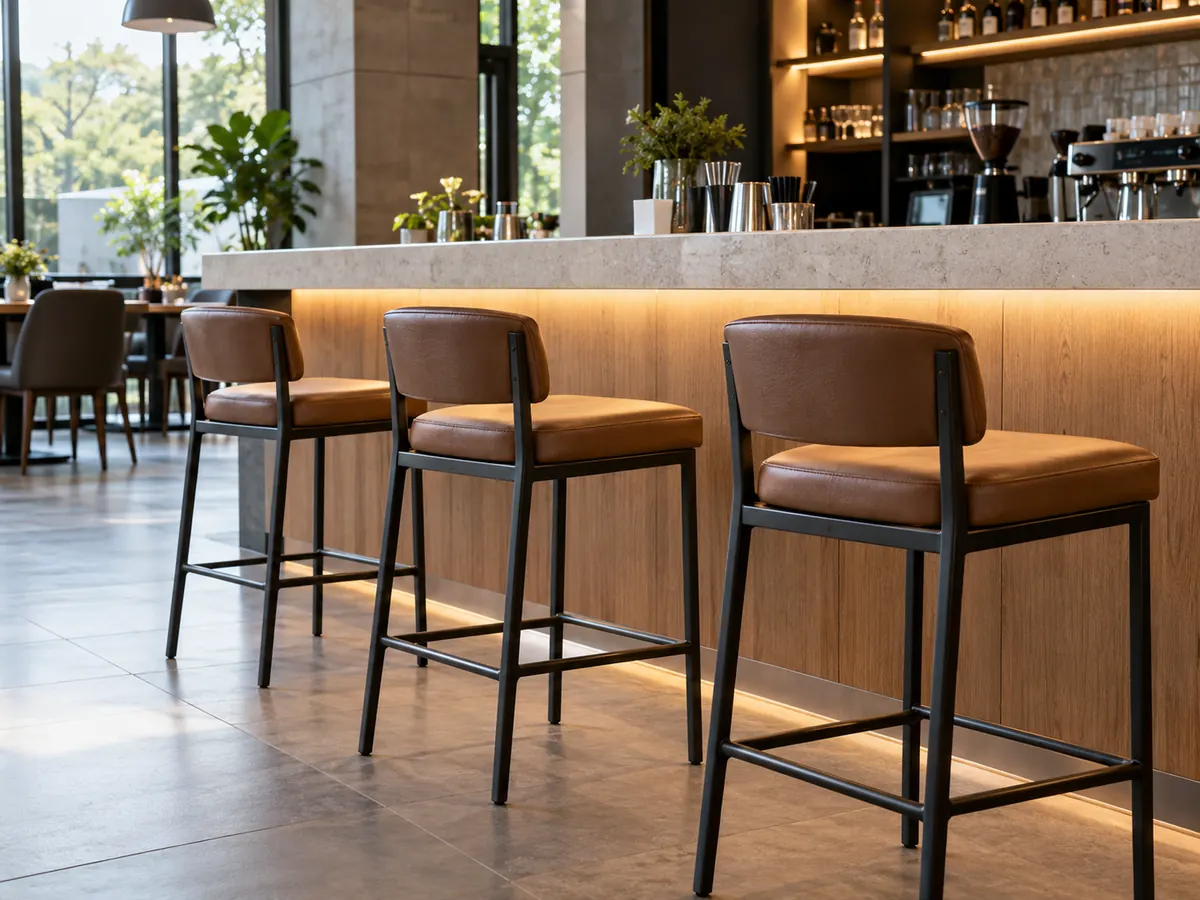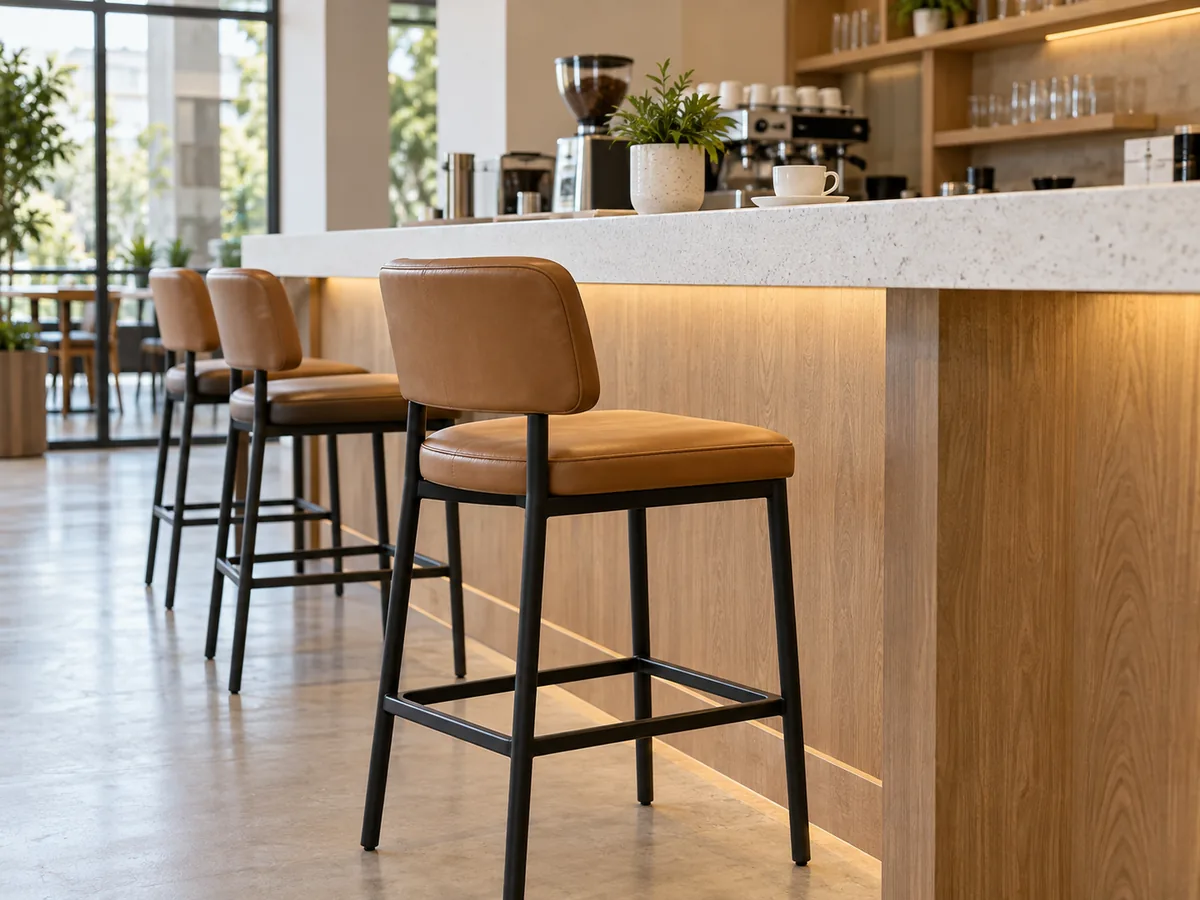
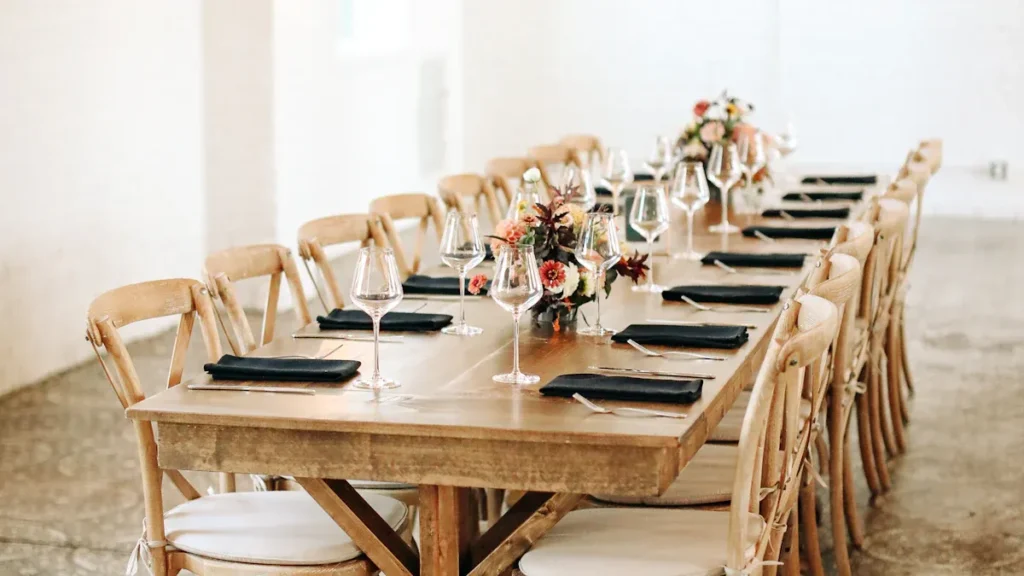
Choosing the right types of dining tables really can make or break a venue—especially in restaurants, cafés, and hotels where every inch and every reset matters. When I’m helping someone spec tables, I always start with four things: shape, base, material, and function, because those decide how your space actually works day to day.
Here’s why it matters more than people expect:
- Guests feel the difference right away—legroom, spacing, and whether seating feels cramped or comfortable.
- Your team feels it too—tight layouts and wobbly tables slow service down and create constant little headaches.
- And it sets the vibe—some tables encourage people to linger, others naturally support faster turnover. 🍽️
If you’re buying for a project, Yezhi Furniture can help match table specs to your layout plan and the look you’re going for—so it feels intentional, not pieced together.
Quick Answer: The Main Types of Dining Tables
If you just need the categories—here’s the simplest way to think about it. Most dining tables fall into four “type” buckets:
- By shape: rectangular, round, square, oval
- By base: four-leg, pedestal, trestle, X/T base styles
- By material: wood, laminate/HPL, metal, glass, stone
- By function: extendable, drop-leaf, folding, nesting, convertible
If you’re outfitting a commercial space, start with shape (traffic flow), then confirm base stability, then pick materials your staff can clean fast, and only then decide on “nice-to-have” features like extensions.
Types of Dining Tables (By Shape, Base, Material, Function)
In commercial spaces, table “types” aren’t just about looks—they’re about how people move, how many seats you can fit comfortably, and how quickly staff can reset the floor. My personal order of operations is simple: shape first (because it controls flow), then base (because wobble is a deal-breaker), then material (because cleaning is real life), and finally function (like extendable features).
Let’s start with tabletop shape, since that’s the decision that affects layout the most.
Table Shapes (The Most Common Dining Table Types)
Rectangular
If you’re trying to maximize capacity and keep your layout clean, rectangular tables are usually the easiest win. I like them for banquet rooms, busy dining floors, and long/narrow spaces because they line up nicely—and when you need a big party setup, you can push tables together without making a mess.
A couple of real-world trade-offs: wider rectangular tops can make conversation feel a bit “across the table,” and you’ll want to plan aisle clearance carefully so servers aren’t squeezing through chairs all night.
Round
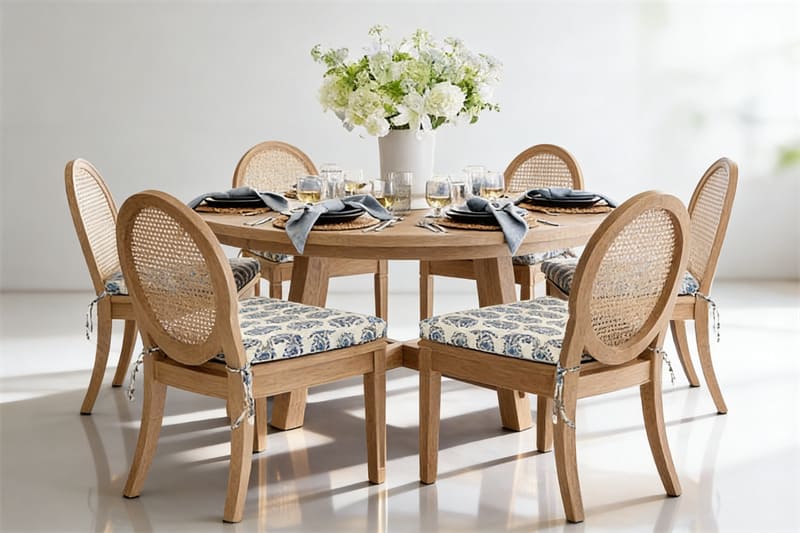
Round tables are my go-to when you want the room to feel social and cozy. Nobody gets stuck on the “end,” and it’s great for cafés, lounges, and smaller hotel dining areas where conversation is part of the experience.
Just be aware: round tops don’t sit neatly against walls, and once the diameter gets large, they can eat up floor space fast. If you’re tight on square footage, round can feel “pretty” but inefficient.
Square
Square tables are super practical in smaller venues because they’re easy to rearrange and combine. I like them in coffee shops, breakfast areas, and compact dining rooms—especially if you often need to flex between 2-tops and 4-tops.
The downside is scale: big square tables can feel bulky in narrow rooms, and they don’t add seats as efficiently as rectangular tables once you move beyond small sizes.
Oval
Oval tables are kind of the “best of both worlds” when you want a softer look but still need good capacity. You get that long-table seating potential, but the rounded edges make circulation feel smoother—especially in upscale restaurants or hotel dining rooms where you want people moving around without bumping into sharp corners. restaurant chairs
They’re a nice pick when you want rectangular efficiency without a rigid, boxy vibe.
Here’s the quick shape cheat-sheet I use when planning commercial dining:
| Table Shape | Why People Choose It | What to Watch For |
|---|---|---|
| Round | Best for conversation; no corners; flexible seating feel | Doesn’t sit against walls; large diameters waste space |
| Square | Easy to reconfigure; great for 2–4 tops; tidy layouts | Doesn’t scale well; big squares feel bulky in narrow rooms |
| Rectangular | Best capacity; fits long spaces; easy to combine | Needs good aisle planning; wider tops feel less social |
| Oval | Softer traffic flow + good capacity | Can be harder to “dock” into tight grid layouts |
Extendable Dining Tables (Great for Events, Private Dining, and Changing Groups)
If your venue hosts events, private parties, or group sizes that change constantly, extendable tables can save you a lot of stress. Instead of keeping oversized tables on the floor all the time, you expand only when you need to—so your layout stays comfortable during normal service.
Extension Mechanisms (What Matters in Busy Commercial Use)
I have used different extension mechanisms. Each one has good points. Here is a table showing the best types for busy places:
| Mechanism Type | Durability | Maintenance Requirements |
|---|---|---|
| Geared metal slides | Very strong, works smoothly | Needs cleaning and oil |
| Telescopic extensions | Strong and lasts long | Needs little care |
| Solid wood slides | Lasts a long time | Needs more care to stay smooth |
Quick rule of thumb: if your staff will extend tables all the time, don’t cheap out on the mechanism. Geared metal slides tend to feel the smoothest under heavy use, while telescopic systems are a great “easy maintenance” option for day-to-day flexibility. Either way, I always recommend testing the extension action—if it doesn’t feel smooth in the sample stage, it won’t magically get better later.
When Extendable Tables Make the Most Sense
Extendable tables shine in hotels and multi-use spaces—breakfast service in the morning, meetings mid-day, private dining at night. If your floor plan needs to “switch modes,” this is one of the most practical upgrades you can make.
| Benefit | Description |
|---|---|
| Adaptability | Changes size for small or big groups |
| Space Optimization | Seats more people without crowding |
| Operational Efficiency | Lets staff move tables quickly for events |
If you want your venue to be ready for anything, extendable dining tables are a smart choice.
Table Bases (Stability, Legroom, and “No-Wobble” Comfort)
Bases don’t look exciting… until a table starts wobbling during dinner service. 😅 In commercial spaces, the base affects three things people notice immediately: stability, legroom, and how easy it is to slide chairs in and out. A good base quietly disappears. A bad one becomes the reason guests complain and servers get frustrated.
Pedestal Base
Pedestal bases are awesome for legroom—especially on small round and square tables—because you don’t have four legs fighting with four chair legs. I like pedestal designs in cafés and hotel lounges where people slide in and out often.
One note: pedestal is best when the base size matches the tabletop. If the top is too large for the base, you can get tipping or wobble—so sizing matters.
Trestle Base
Trestle bases are a solid choice for longer rectangular tops. They spread weight well and tend to feel stable over time—great for restaurants and banquet rooms where tables take daily abuse and need to stay steady year after year.
Four-Legged Base
Four-leg tables are the most universal option and usually the easiest to fit into a standard floor plan. They’re stable and familiar—but pay attention to leg placement. If the legs sit too wide, guests bump knees. If they sit too tight, chairs don’t tuck cleanly. That small detail changes comfort more than most people expect.
Here is a table showing how bases affect stability and legroom:
| Table Base Type | Stability Impact | Legroom Impact |
|---|---|---|
| X-base | Very stable | Keeps legroom open |
| T-base | Spreads weight evenly | Best for long tables |
| Round table bases | Looks smooth and even | Great for round tables |
How to Avoid Wobble in Commercial Use
How to Prevent Wobble in Real Commercial Use
If wobble is your nightmare (it is for most operators), here’s what usually causes it:
- Uneven floors (super common in older buildings)
- Under-sized bases for the tabletop
- Weak joints or hardware that loosens over time
What I look for: reinforced joints, a base sized for the top, and leveling glides (adjustable feet). Those glides are small, but on real floors they’re a lifesaver.
If you’re sourcing through Yezhi Furniture, ask specifically about anti-wobble details like reinforced brackets and leveling feet—those are the “quiet upgrades” that make tables feel premium in daily use.
Tip: Put a sample table on your actual flooring and do a quick wobble test before you commit to a bulk order.
Dining Table Materials (What Holds Up—and What’s Easy to Clean)
Material Comparison for Restaurants & Cafés (Durability vs Maintenance)
Choosing the right dining table material can make a big difference in how your restaurant or café looks and runs. I always think about how strong the material is and how easy it is to clean. Some materials are better at handling spills, scratches, and lots of use. Here is a simple table that helps compare the most common choices:
| Material | Durability | Maintenance Requirements | Suitability for Restaurants and Cafés |
|---|---|---|---|
| Solid Wood | High, but vulnerable to water damage | Requires regular sealing and cleaning | Ideal for upscale restaurants seeking a natural aesthetic. |
| Wood Veneer | Moderate, prone to scratches | Needs careful cleaning to avoid moisture damage | Good for budget-conscious restaurants wanting a wood look. |
| High-Pressure Laminate | Very high, resistant to scratches | Low maintenance, just regular cleaning needed | Excellent for casual dining with high traffic. |
| Solid Surface | High, resistant to stains and moisture | Can be repaired easily, but more expensive | Suitable for modern restaurants prioritizing hygiene. |
| Powder-Coated Steel | Very high, durable and low maintenance | Easy to clean, but can scratch | Great for industrial or outdoor settings. |
I always tell people to think about how busy their space is and how much time they want to spend cleaning. Some materials look really nice but need more care. Others are made for quick cleaning and fast service.
Wood Dining Tables
Wood tables instantly make a space feel warmer and more “designed.” I like them when you want guests to feel comfortable and stay a little longer. The key is picking a wood and finish that fits your daily reality—because in food service, spills and constant wiping are guaranteed.
Oak
Oak is a workhorse. It’s durable, forgiving, and doesn’t look “tired” quickly, so it’s a great pick for busy dining rooms where you still want that natural wood feel.
Walnut
Walnut gives a richer, more premium look right away. I spec it for fine dining, boutique hotels, and private rooms where the vibe matters—and you’re okay with a little more care to keep it looking perfect.
Ash
Ash is lighter and cleaner-looking, which works beautifully in modern cafés and bright interiors. It’s also a good choice when tables get moved a lot, because it tends to handle everyday bumps well.
Tip: For solid wood, plan on periodic sealing and fast spill cleanup—moisture is the main enemy.
Metal Dining Tables
If you’re running a high-traffic dining room—or you’ve got patio seating—metal tables are one of the safest, lowest-drama choices. They’re durable, wipe-clean friendly, and less sensitive to spills than many wood finishes. In real service, that means faster resets and fewer “mystery stains” at the end of a busy shift.
The two most common picks are steel (heavier, more stable) and aluminum (lighter, easier to move). Which one you choose should match how often you rearrange the floor and whether the tables live indoors or outdoors.
Steel
Steel is the “workhorse” option—stable, tough, and great when you don’t want tables shifting every time someone leans on them. I usually recommend powder-coated steel for industrial-style interiors and patios because the coating helps protect against everyday wear.
A couple of practical notes from the field:
- Rust resistance depends on the coating quality and whether chips get touched up quickly—especially outdoors.
- Scratches still happen in busy venues, but a good powder coat hides them better than glossy finishes.
If you’re sourcing through Yezhi Furniture, ask for the powder-coat spec and how they handle edge protection—those are the spots that take the most abuse.
Aluminum
Aluminum is perfect when flexibility matters. If your team reconfigures the floor often—switching between 2-tops, 4-tops, and event layouts—aluminum is simply easier to handle. It’s also a great outdoor option because it won’t rust, which is a big win in humid or coastal environments.
Two things I always check before recommending aluminum:
Surface durability: pick finishes that resist scuffs so the tables still look sharp after repeated moves. 😊
Stability: lightweight tables can feel “floaty” unless the base design is solid.
Glass Dining Tables
Glass tables are a “design-forward” choice—sleek, modern, and visually light. If you’re trying to make a café feel brighter or a dining room feel more open, glass can do that instantly because it reflects light and keeps the space from feeling heavy.
That said, glass is a style decision and an operations decision. The big questions are:
- Are you okay with fingerprints and smudges being visible during service?
- Do you have a cleaning routine that keeps glass looking crisp, not cloudy?
Your two main options are clear (most open and airy) and frosted (more forgiving and private).
Clear Glass
Clear glass looks clean and modern—and it makes small spaces feel bigger because it doesn’t visually “block” the room. Cleaning is straightforward, but the trade-off is that it shows everything, especially under bright lighting.
Here’s the honest pros/cons checklist:
- Easy wipe-down: spills and dust come off quickly.
- Safer when tempered: tempered glass breaks into smaller pieces if it fails.
- Shows smudges fast: fingerprints and streaks are more visible than most people expect.
- Impact risk: even tempered glass can break if it’s hit hard in the right spot.
If you go with glass, I strongly recommend tempered glass and a cleaning routine that fits your service pace. If your venue is “high-turnover fast reset,” frosted glass may be less stressful. glass for safety. If you want a table that looks light and modern, clear glass is a good pick.
Frosted Glass
Frosted glass keeps the modern look but feels a little softer and more upscale. I like it for hotel lounges and cafés where guests might work, meet, or linger—because it offers a bit more privacy and hides fingerprints better than clear glass.
What to watch for: Frosted finishes can show wear differently over time. I always check for scratch resistance and recommend using placemats or gentle cleaning cloths so the surface stays even.
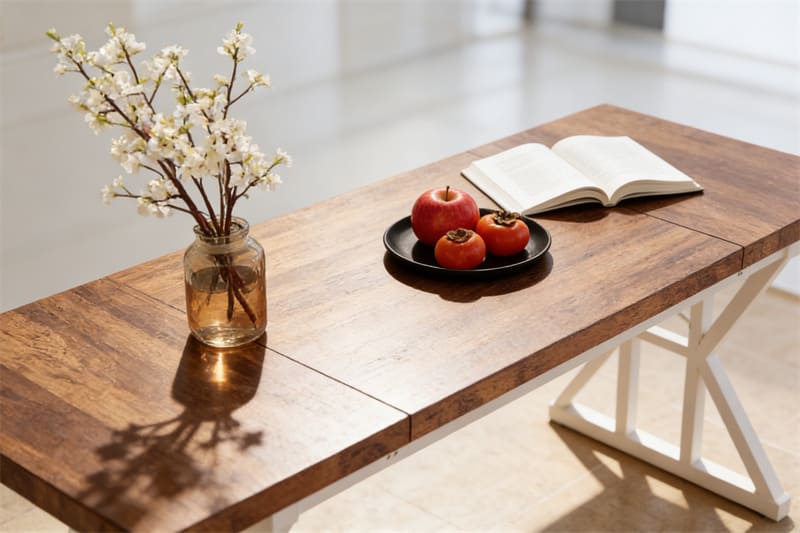
Marble Dining Tables
Marble is pure visual impact—if you want a space to feel premium the moment someone walks in, marble does that. It’s a great fit for boutique hotels, formal dining rooms, and “special occasion” venues where aesthetic matters as much as function.
But here’s the deal: marble is not a low-maintenance surface. It’s best when you’re willing to pair it with a realistic care plan (and staff habits that protect it during service).
Durability
Marble handles heat well and looks stunning, but it’s porous, which means it can stain or etch if acidic spills (wine, citrus, vinegar) sit too long. It also scratches more easily than many people expect—especially in busy venues.
If you want the “stone look” with less maintenance, sintered stone is often the more commercial-friendly alternative.
| Feature | Marble | Sintered Stone |
|---|---|---|
| Durability | Porous, can stain/etch | Ultra-durable, highly stain-resistant |
| Maintenance | Needs sealing, careful cleaning | Easy to clean, low maintenance |
| Heat Resistance | Heat-tolerant | High heat resistance |
| Scratch Resistance | Softer, scratches easier | Extremely scratch-resistant |
| Weight | Heavy | Lighter |
| Price | Luxury, costly | More affordable |
| Best Use Cases | Formal, aesthetic focus | Everyday, busy venues |
Maintenance
Maintenance (What Marble Really Requires)
If you choose marble, plan for three habits:
- Seal it on a schedule (your supplier can recommend timing based on finish and usage).
- Wipe spills immediately, especially anything acidic.
- Use gentle cleaners—harsh chemicals and abrasive pads will dull the finish.
Marble is absolutely worth it when you want a statement piece, but it’s best for venues that can support consistent upkeep—not places where tables get neglected during peak rush.
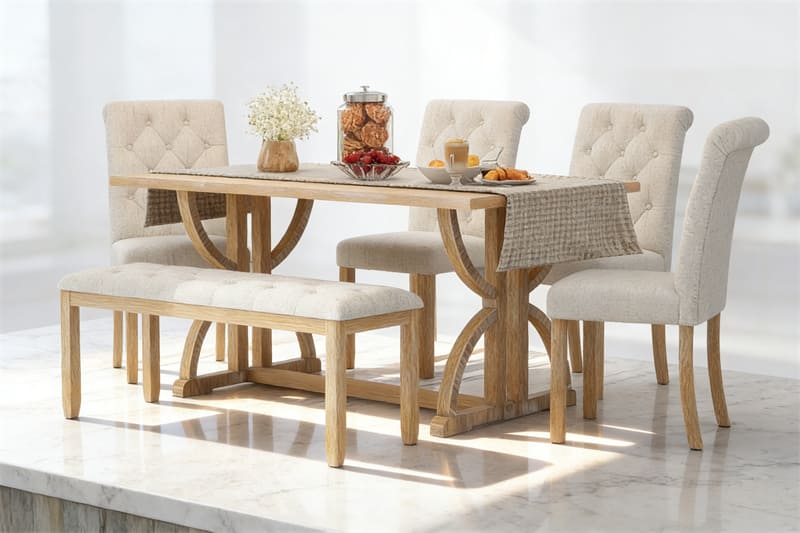
Table-Adjacent Materials (For Table Sets: Chairs & Banquette)
If you’re buying tables, you’re usually buying seating too—so here’s a quick, practical add-on. The right upholstery can make cleaning easier, help seating look newer longer, and reduce replacement costs in busy venues.
For most hospitality projects, I lean toward materials that are stain-resistant, wipeable, and consistent across lots of seats.
Easy-Clean Upholstery Options (Vinyl / PU / Performance Fabric)
For high-turnover hospitality seating, I usually recommend vinyl, PU, or performance fabrics because they’re built for spills and frequent wipe-downs.
Here’s a simple spec-style view of what to look for:
| Feature | Description |
|---|---|
| Fabric Type | Performance fabrics, top-grain/faux leather for hospitality |
| Stain Resistance | Repels stains, oils, UV fading |
| Cleaning Efficiency | Nano-coating lets spills wipe away in under 30 seconds |
| Fire Safety Standards | Meets CAL TB 133 (U.S.) and BS 5852 Crib 5 (EU/UK) |
| Comfort | High-resilience foam keeps shape for 8+ years |
| Eco-friendliness | GREENGUARD Gold-certified foam, no harmful VOCs |
Yezhi Furniture offers these upholstery choices for custom seating sets.
Best for Cafés & Food Courts (High-Turnover Seating)
For fast service environments, the goal is simple: surfaces that clean quickly and still look good after hundreds of wipe-downs.
| Upholstery Material | Key Features | Best For |
|---|---|---|
| Plastic (Polypropylene/Resin) | Non-porous, water-resistant, easy to clean | Fast food, self-service areas |
| Metal (Aluminum/Powder-Coated Steel) | Strong, stain-resistant, easy to maintain | Restaurants, bistros, patios |
| Sealed Wood | Warm look, water/stain-resistant | Sit-down restaurants, coffee houses |
| Vinyl/Faux Leather | Quick cleaning, water-resistant, elegant look | Restaurant booths, casual dining chairs |
| Performance Fabric | Stain-repellent, washable with bleach | High-end restaurants, multi-use environments |
Maintenance Tips (Simple Routines That Actually Work)
A few habits keep seating looking fresh longer:
Check seat foam periodically; in heavy-use venues, foam replacement is often part of the long-term maintenance plan. 👍
Blot spills fast—the first 60 seconds matter.
For vinyl/PU, a damp cloth + mild soap is usually enough.
For many performance fabrics, approved disinfecting or bleach-based solutions can be used when needed (always follow the fabric care guide).
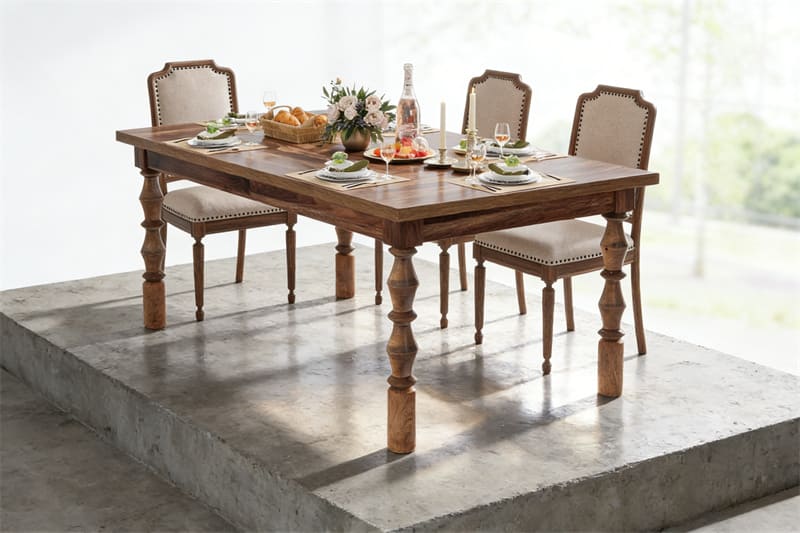
When tables and seating materials are chosen with daily cleaning in mind, the whole venue stays sharper—and your staff spends less time fighting stains. If you want a coordinated set, Yezhi Furniture can help align finishes and upholstery across the project.
Dining Table Styles (What They Signal to Guests)
Traditional
Traditional tables instantly communicate “classic” and “upscale.” If you’re aiming for a fine-dining mood—white tablecloth vibes, private rooms, boutique hotels—traditional styles support that expectation with darker woods and detailed silhouettes.
Common traditional cues guests notice:
- Turned legs, carved details, and decorative edges
- Deeper wood tones (walnut/mahogany-style stains)
- Polished finishes that feel formal
| Style Feature | Customer Perception |
|---|---|
| Carved wood details | Shows luxury and tradition |
| Polished finish | Means premium service |
| Rich wood tones | Makes the space warm and inviting |
Modern
Modern tables feel clean, current, and easy. They’re a great fit for cafés, hotel breakfast areas, and fast-casual restaurants where you want the room to feel open—and the furniture to be straightforward to maintain.
What I look for in modern tables:
- Simple lines and uncluttered silhouettes
- Durable, easy-clean surfaces (metal, laminate, tempered glass)
- Light woods or neutral finishes that keep the space bright
Tip: If your staff needs fast resets, modern tables with smooth tops and minimal grooves are usually the easiest to keep looking “new.”
Rustic
Rustic tables are all about warmth and character. They’re great when you want a space to feel relaxed and welcoming—think cozy cafés, casual restaurants, and lodge-style hotels.
Rustic cues:
- Visible wood grain, knots, and natural texture
- Chunkier proportions and thicker tops
- Reclaimed or “weathered” finishes
Here’s a quick comparison of these three styles:
| Dining Table Style | Defining Characteristics | Best Use Case |
|---|---|---|
| Traditional | Fancy, shiny, dark wood | Fine dining, boutique hotels |
| Modern | Simple, sleek, metal/glass/light wood | Cafés, quick restaurants, breakfast |
| Rustic | Natural grain, chunky, old wood | Casual dining, cozy cafés, lodges |
Yezhi Furniture has many styles, so I can always find the right table for any place. 😊
Industrial
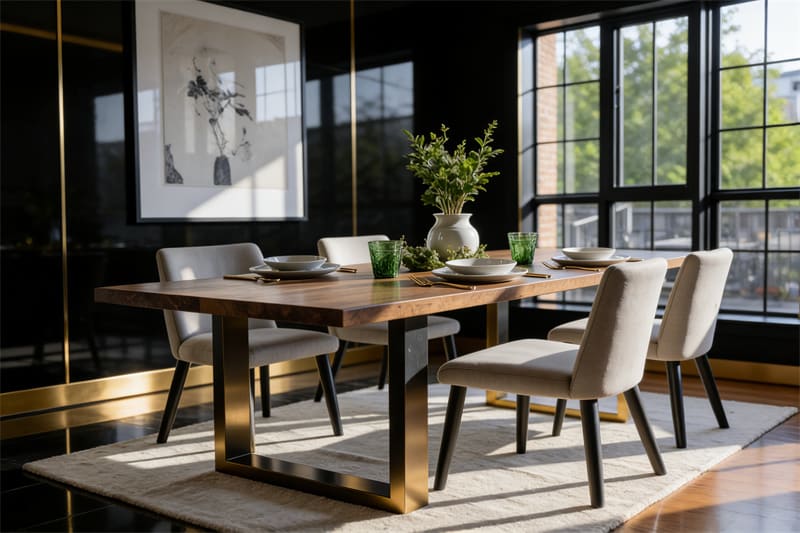
Industrial tables give a venue a bold, urban edge—great for modern restaurants, cafés, and hotel lounges that want something “cool” without feeling delicate. You’ll usually see metal frames, visible hardware, and darker finishes that hide wear well.
Common industrial features:
- Powder-coated metal bases
- Wood tops (oak/walnut/ash) or durable commercial surfaces
- Finish tones like bronze, gunmetal, or matte black
- Straight lines and exposed construction details
I see MorningSun’s industrial style in busy places. These tables have smooth joints and shiny surfaces. They last a long time and look good every year.
| Feature | Benefit for Commercial Spaces |
|---|---|
| Metal frame | Very strong, easy to clean |
| Exposed hardware | Looks cool, simple to fix |
| Dark finishes | Hides marks, matches many colors |
Yezhi Furniture works with designers from other countries. They make industrial dining tables that look different. I suggest this style for places that want a bold and cool look. 🏙️
Farmhouse
Farmhouse tables feel friendly and familiar—perfect for comfort-food concepts, family-style dining, and country cafés. They usually feature thicker tops and softer finishes that make guests feel like they can settle in.
What defines farmhouse style:
- Solid wood look (often oak/ash tones)
- Matte or lightly distressed finishes
- Chunkier legs and wide tops
- Warm neutrals (white, gray, natural wood)
Guests like the cozy feeling. Staff say these tables are easy to clean. I see farmhouse tables with benches or mixed chairs for a friendly look.
| Farmhouse Table Feature | Customer Experience |
|---|---|
| Wide tabletop | Good for groups |
| Soft finish | Feels nice, easy to touch |
| Sturdy build | Lasts a long time |
If you need custom sizing or finishes to match your concept, Yezhi Furniture can support farmhouse builds for project orders.
Minimalist
Minimalist tables are the cleanest, most “no-fuss” option—great for modern cafés, quick-service restaurants, and smaller spaces where clutter makes the room feel tighter than it really is.
Minimalist cues:
- Slim legs and simple edges
- Light wood or neutral metal finishes
- No extra ornamentation (easier cleaning, easier styling)
Minimalist tables make rooms look open and bright. Staff can move them fast for different groups. I see this style work best in places that want a neat and simple feel. 😊
| Minimalist Feature | Best Use Case |
|---|---|
| Slim profile | Small cafés, tight spaces |
| Neutral color palette | Modern hotels, quick-service spots |
| Simple design | Easy cleaning, flexible layout |
If your brand is minimal but still wants a distinctive look, Yezhi Furniture can help align finishes and proportions so it feels intentional, not generic.
Dining Table Styles for Hospitality
In hospitality, style isn’t just decoration—it sets expectations. Guests walk in and immediately assume something about pricing, service level, and how long they’re welcome to stay.
Here’s a simple way to match style to venue type:
| Venue Type | Style Direction That Usually Works | Why |
|---|---|---|
| Hotel | Modular, neutral, easy-to-mix styles | Spaces often shift between breakfast, meetings, and events |
| Restaurant | Concept-driven styles (bistro, diner, industrial, traditional) | Style reinforces the menu and the story |
| Café | Warm, casual, flexible styles (minimalist, rustic, communal) | Guests often work, chat, or linger |
Tip: Pick 1–2 core finishes (for example, matte black + light oak) and let them repeat across spaces—this is how you get variety without visual chaos. 😊
Best Style Pairings (Quick Cheat Sheet)
- Cafés: minimalist, rustic, and communal table setups (easy, relaxed, flexible)
- Restaurants: industrial, traditional, farmhouse, or concept-specific bistro styles
- Hotels: modular tables, neutral finishes, plus a few “statement” tops (glass/stone) for lounges
Note: When you mix styles, keep the base finish consistent (ex: all black metal) so the space still feels cohesive.
Dining Table Functions for Commercial Spaces (Flexibility, Storage, and Speed)
Standard Dining Room Table
Standard Dining Table
Standard dining tables are the foundation of most commercial floor plans. The “type” here is less about mechanics and more about choosing the right shape + footprint for your service style. Rectangular tables maximize capacity, square tables flex well in tight rooms, round tables support conversation, and oval tables soften the layout while keeping good seating potential.
| Table Shape | Function | Best Venue Fit |
|---|---|---|
| Rectangular | Seats groups efficiently; aligns in rows | Restaurants, banquets |
| Square | Flexible 2-top/4-top setups | Cafés, small restaurants |
| Round | Social feel; can add seating in a pinch | Lounges, cafés |
| Oval | Softer circulation + good capacity | Upscale dining, hotels |
Practical tip: start with your floor plan. If your concept leans “modern,” Scandinavian-inspired simplicity can work nicely—but don’t choose it just for looks. Choose it because it supports flow and easy resets.
Drop-Leaf
Drop-leaf tables are a smart solution when you need flexibility but don’t have storage space for extra tables. You keep the footprint small during normal service, then flip the leaves up when you need more surface area.
Why venues like them:
- Resize quickly for small or larger groups
- Save space in compact dining rooms
- Adapt layouts for small events
Buying tip: check the hinges, supports, and locking feel—if it feels loose in a sample, it won’t get better with heavy use. If you need a durable drop-leaf build, Yezhi Furniture can support sturdier commercial hardware options.
Folding
Folding tables are all about speed and storage. I use them for banquets, pop-ups, meeting rooms, and seasonal outdoor setups because they fold flat and clear the floor fast.
Why they work commercially:
- Quick setup and takedown for events
- Compact storage footprint
- Easier handling for staff
Buying tip: look for solid locking mechanisms and a tabletop surface that resists scratches. Folding tables take a lot of “moving abuse,” so stability and hardware quality matter more than style.
Tip: If your guest count swings a lot, drop-leaf and folding tables are two of the easiest ways to build flexibility without redesigning the whole space. 😊
Convertible
Convertible tables are the “multi-tool” option—great when the same space needs to serve different roles: breakfast, meetings, private dining, buffets, workshops, even bar-height service. If your venue is small or multi-purpose, convertible tables can help you get more revenue out of the same square footage.
Here’s what I look for in a good convertible design:
- Smooth adjustment that staff can do quickly (not a two-person struggle)
- Locked stability in every configuration (no wobble after changing shape/height)
- Commercial-grade hardware (because moving parts wear first)
- Optional casters with locks for easy room resets
| Feature | Why It Helps | Typical Adjustment Time |
|---|---|---|
| Fold-out extensions | Seats more guests for events | Under ~2 minutes |
| Height adjustment | Switches dining to bar/buffet setups | ~1–3 minutes |
| Built-in storage | Keeps supplies handy; reduces clutter | Instant access |
| Modular sections | Rebuild layouts for different occasions | ~2–5 minutes |
Practical tip: always test the moving parts before you commit. If it feels rough, noisy, or unstable in a sample, it will frustrate staff during peak service.
If you’re sourcing through Yezhi Furniture, you can spec convertible tables with solid wood tops + metal frames for better long-term stability, and add details like locking wheels and leveling feet to keep things steady on real floors.
Best fits: hotel breakfast rooms that flip to event space, cafés that host workshops, and restaurants that run private dining or pop-up service. 😊
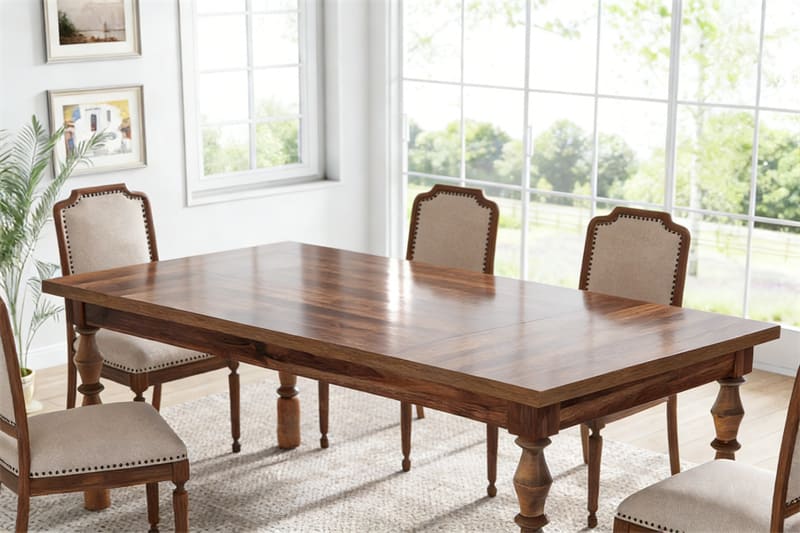
How to Choose a Dining Table for Your Venue (Restaurants, Cafés, Hotels)
If you’re picking dining tables for a venue, think of it like this: you’re not just buying furniture—you’re buying flow, comfort, and daily cleaning reality. The goal is simple: fit the most seats you can without making the room feel cramped or slowing service down.
Space Planning (Max Seats Without Making the Room Feel Tight)
The best table setup is the one that feels comfortable during your busiest hour, not just when the room is empty. I always start by measuring the space and sketching a simple floor plan—because traffic flow is what makes or breaks service.
As a practical baseline, I plan for about 36 inches (91 cm) between table edges and walls or other tables in most restaurants and cafés. For more upscale spaces where you want extra privacy, you can adjust spacing—just remember: tighter spacing may look “full,” but it can slow staff down and frustrate guests when chairs collide.
Here’s a table showing what I check when planning space:
| Factor | Description |
|---|---|
| Traffic Flow | Clear paths for staff and guests, no bottlenecks |
| Table Arrangement | Mix of table sizes for different group types |
| Customer Comfort | Enough space for chairs to pull out and guests to sit easily |
| Functional Zones | Separate areas for dining, waiting, and bar service |
| Safety and Regulations | Exits and fire safety always meet local codes |
If you want a safe, flexible choice, modern table profiles (clean shapes, slimmer bases) tend to fit more layouts—small cafés and larger dining rooms included. And if you’re working on a full project, Yezhi Furniture can help you match table sizes to your floor plan so you can increase seating without creating a crowded, hard-to-serve room.
One friendly reminder: always sanity-check your plan against local safety requirements before you finalize quantities.
Tip: Even a quick sketch helps. Draw the floor plan, drop in a few table options, and “walk” the server route on paper. It’s the fastest way to catch problems before you spend money.
Usage Needs (Fast Turnover vs. Long-Stay Comfort)
Here’s a truth most buyers learn the hard way: table choice quietly nudges guest behavior. If your goal is fast turnover (busy cafés, lunch rush, quick service), you’ll want tables that are easy to reset—smooth tops, simple shapes, and materials staff can wipe down in seconds.
If your concept is built around longer stays (date-night dining, loungey hotel restaurants), warmer materials and more comfortable seating pairings make sense. Mid-century modern tables work well here because they feel inviting without being fussy—especially when paired with softer chairs.
Here’s a table that shows how table choice affects turnover and satisfaction:
| Evidence Type | Description |
|---|---|
| Design Influence | Layout encourages quick turnover or relaxed dining |
| Comfort vs Efficiency | More comfort means longer stays, less comfort speeds up turnover |
| Space Utilization | Strategic table placement increases capacity and streamlines service |
| Customer Preferences | Privacy and good views boost satisfaction and willingness to pay |
A practical approach is mixing table types by zone. For example: use easy-clean modern tables in high-turnover sections, and place warmer “long-stay” tables in quieter corners or lounge zones. If you’re sourcing through Yezhi Furniture, mix-model support makes this kind of zoning easier—so the venue still looks cohesive while working better operationally.
Style Matching (Brand Feel)
Style is basically your silent marketing. Before guests read a menu, they read the room. So when you choose table styles, ask: What should people feel the moment they sit down—premium, casual, trendy, cozy?
- Upscale restaurants usually benefit from richer woods, elegant profiles, and softer seating pairings.
- Casual cafés often do better with lighter finishes, simpler shapes, and materials that hold up to constant wipe-downs.
Here’s a table that helps me match table style to venue type:
| Consideration | Details |
|---|---|
| Type of Restaurant | Fine dining needs classic styles; casual spots use modern or bold designs |
| Table Size | Standard sizes: 36″ x 36″ for square, 30″ x 48″ for rectangular |
| Material | Solid wood and upholstered chairs for premium feel; metal and laminate for casual venues |
| Ambience | Tablecloths and decor for upscale; bare tables for modern, relaxed settings |
| Venue Type | Interior design matches food service type |
Mid-century modern is a great “middle ground” style—retro enough to feel distinctive, but clean enough to stay current. If you want that look, details like leg profile, wood tone, and base finish matter a lot more than people think.
And if you’re working on a project order, Yezhi Furniture’s overseas designer collaboration can help you land a mid-century direction that feels custom, not generic.
Note: When tables match the brand, guests feel like the space “makes sense”—and that comfort is a big part of repeat visits. 😊
Material Care (Daily Cleaning Reality)
If you want tables to look good after six months of real service, daily care beats “special products” every time. A simple, consistent routine protects finishes, reduces replacement costs, and keeps the dining room looking intentional—not worn out.
I like to start with a quick morning wipe to remove dust and grit (that’s what causes micro-scratches). Then the rule during service is simple: wipe spills fast. Water and food residue are the most common reasons wood swells, marble etches, and glass turns streaky.
Here’s the daily routine that works in most restaurants, cafés, and hotels:
- Dust or wipe tables before opening (removes grit that scratches surfaces).
- Wipe spills immediately with a damp cloth.
- Use coasters to prevent moisture rings.
- Use placemats/table runners when the concept allows (reduces scratches).
- Avoid harsh chemicals—mild soap + water is usually enough.
- Fix small chips or loose hardware early (small issues get expensive fast).
Also, watch two sneaky damage sources: heat and direct sunlight. Hot plates can warp finishes, and strong sun can fade wood tones over time. If you have big windows, rotating table placement or using blinds during peak sun hours can prevent uneven fading.
Here’s a table showing how to care for different materials:
| Table Material | Daily Care Steps | Long-Term Tips |
|---|---|---|
| Solid Wood | Dust, wipe spills, use coasters | Re-oil every 3–6 months, control humidity |
| Metal | Wipe with damp cloth, avoid scratches | Check for rust, use powder-coat touch-ups |
| Glass | Clean with glass spray, avoid abrasives | Use placemats, polish monthly |
| Marble | Wipe spills fast, use mild cleaner | Seal every 6 months, avoid acids |
One more practical tip: keep tables away from heaters and radiators when possible. Heat dries out wood and can stress some finishes. For solid wood, humidity control matters—especially in dry seasons—because that’s when cracking and warping show up.
If you’re ordering through Yezhi Furniture, ask which finish is best for your cleaning routine—wax/oil looks great, but it usually benefits from periodic maintenance. Their team can recommend a care schedule so tables stay consistent and photo-ready during service.
Tip: Train staff to spot small damage early—loose glides, chipped edges, tiny cracks. Fixing it early keeps tables safe and avoids bigger repair costs. 🛠️
If you keep the routine simple and consistent, tables stay strong and stylish for years. I’ve seen venues skip basic care and pay for it later—small daily habits really do protect your investment.
How We Help You Choose the Right Dining Tables (Project Support)
Seating Capacity & Layout Planning (Size, Footprint, Aisle Clearance)
If you tell us your room size and service style, we help you plan a layout that balances capacity + comfort + staff flow. We’ll recommend a table mix (2-tops/4-tops/communal) and check the footprint so you don’t end up with bottlenecks at peak hour.
Here’s what I focus on when planning the layout:
- I balance how many seats you need with guest comfort.
- I keep enough space between tables for easy service.
- I design the layout to match the look and feel you want.
| Planning Factor | Recommended Range/Tip |
|---|---|
| Table-to-wall space | 36 inches minimum |
| Table-to-table space | 25–30 inches for privacy |
| Aisle clearance | 42 inches for main walkways |
Yezhi Furniture can also support custom sizes when standard dimensions don’t fit your floor plan.
Material & Finish Selection (Durability, Easy Cleaning, Style Match)
We help you choose materials and finishes that match your concept and your cleaning reality. For high-turnover venues, we’ll steer you toward surfaces that handle constant wipe-downs. For premium spaces, we’ll recommend finishes that look elevated while still being service-friendly.
When selecting materials, we focus on:
- Durability under daily use
- Cleaning speed (smooth tops, stain resistance)
- Weight and mobility needs
- Style match across the venue
I always choose materials that fit your venue’s needs. For example, powder-coated steel works well in industrial spaces. Solid wood is best for fancy dining rooms. Yezhi Furniture has many styles and finishes, so you can find what fits your décor.
Tip: Pick finishes that stop stains and make cleaning easy. This saves time and keeps tables looking new.
Base & Stability Check (Pedestal vs Four-Leg, Anti-Wobble Solutions)
Base & Stability Check (Pedestal vs. Four-Leg, Anti-Wobble Solutions)
Stability is non-negotiable. We’ll help you match base type to tabletop size and recommend anti-wobble details like leveling glides and reinforced connections—especially important for real-world restaurant floors.
Here’s a quick table comparing base options:
| Base Type | Best Use Case | Stability Level | Legroom |
|---|---|---|---|
| Pedestal | Small, round tables | High | Excellent |
| Four-legged | Large, rectangular tables | Very High | Good |
I look for tables with strong connections and smooth finishes. Yezhi Furniture uses metal frames and anti-wobble parts, so tables stay steady even when busy. I always suggest testing tables in your space before you buy. 😊
Note: Stable tables help guests feel safe and stop accidents. Always check the base design for your venue.
How Yezhi Furniture Supports Your Selection
For project buyers, we support selection with both customization and practical ordering terms:
- MOQ: 15 pcs (mix models/colors/materials supported)
- Custom orders: typically from 100 pcs
- Lead time: about 30 days production + 30 days ocean shipping (varies by order)
- Payment terms: T/T or L/C
- Quality issues: 100% replacement or deducted from the next batch (per agreement)
We’ll help you choose sizes, finishes, and materials that align with your layout and brand—so the final result looks cohesive and operates smoothly.
| Service Type | Description |
|---|---|
| Customization Options | Pick the size, finish, and material for your tables |
| Diverse Product Range | Find styles and finishes for any décor |
| Dedicated Customer Service | Get help from start to finish |
I trust Yezhi Furniture to help me make a dining space that looks good and works well for every project.
At the end of the day, choosing dining tables is about balancing four things: flow, durability, brand feel, and flexibility. Once those are aligned, your space runs smoother and feels more intentional.
| Type Category | Why It Matters |
|---|---|
| Shapes | Controls traffic flow and seating efficiency |
| Materials | Impacts durability and cleaning speed |
| Styles | Signals your brand and sets expectations |
| Functions | Adds flexibility for events and layout changes |
Want to make your venue better? Check all types and pick what fits your needs.
FAQ
What dining table shape works best for small restaurants?
Square tables are often the easiest starting point because they flex well as 2-tops or 4-tops and can be pushed together for groups. Just make sure you still have comfortable chair pull-out space and a clear service path.
How do I choose a dining table material for high-traffic venues?
For heavy daily use, metal and HPL/laminate are usually the most forgiving—they wipe clean fast and handle scratches better. If you want a warmer look, choose wood with a commercial-friendly finish and commit to routine maintenance.
What dining table design helps maximize seating capacity?
Rectangular tables typically maximize capacity, especially with slimmer bases that improve chair clearance. They also line up neatly for banquets and group seating—just plan aisles so servers can move without bottlenecks.
Which dining table style feels coziest in cafés?
Rustic and farmhouse styles are great for “warm and welcoming” café vibes—natural textures, softer finishes, and a relaxed feel. Pair them with comfortable seating and warm lighting and the room will instantly feel more inviting.
How do I prevent wobble in commercial dining tables?
Look for leveling glides (adjustable feet), reinforced joints, and a base that’s properly sized for the tabletop. Real floors are rarely perfectly level—those small stability features make a huge difference.
What dining table design is easiest to clean?
Smooth, non-porous tops win—metal, HPL/laminate, and some glass setups are fast to wipe. Avoid deep grooves and heavy carvings in high-turnover areas because they trap crumbs and slow resets.
Can I mix different table designs in one venue?
Yes—and it’s often the smartest approach. Use different types by zone (high-turnover vs. long-stay areas), but keep 1–2 finishes consistent (like all black bases) so the space still feels cohesive.
How do I match dining table design to my brand?
Start with the feeling you want guests to have—premium, casual, trendy, cozy—then choose shapes/materials that support that. If your brand is modern and fast-paced, prioritize easy-clean surfaces and simple silhouettes. If it’s premium, choose richer materials and more comfortable seating pairings.
Tip: If possible, test one sample table in your actual space—flooring, lighting, and traffic patterns change how the table “feels” in real life.
| Table Feature | Best Use Case | Typical Cleaning Time* |
|---|---|---|
| Glass top | Cafés, hotels | ~2 min |
| Metal frame / metal top | Restaurants, patios | ~3 min |
| Solid wood | Fine dining, lounges | ~5 min |
*Times vary by finish and cleaning routine—use this as a quick planning reference.