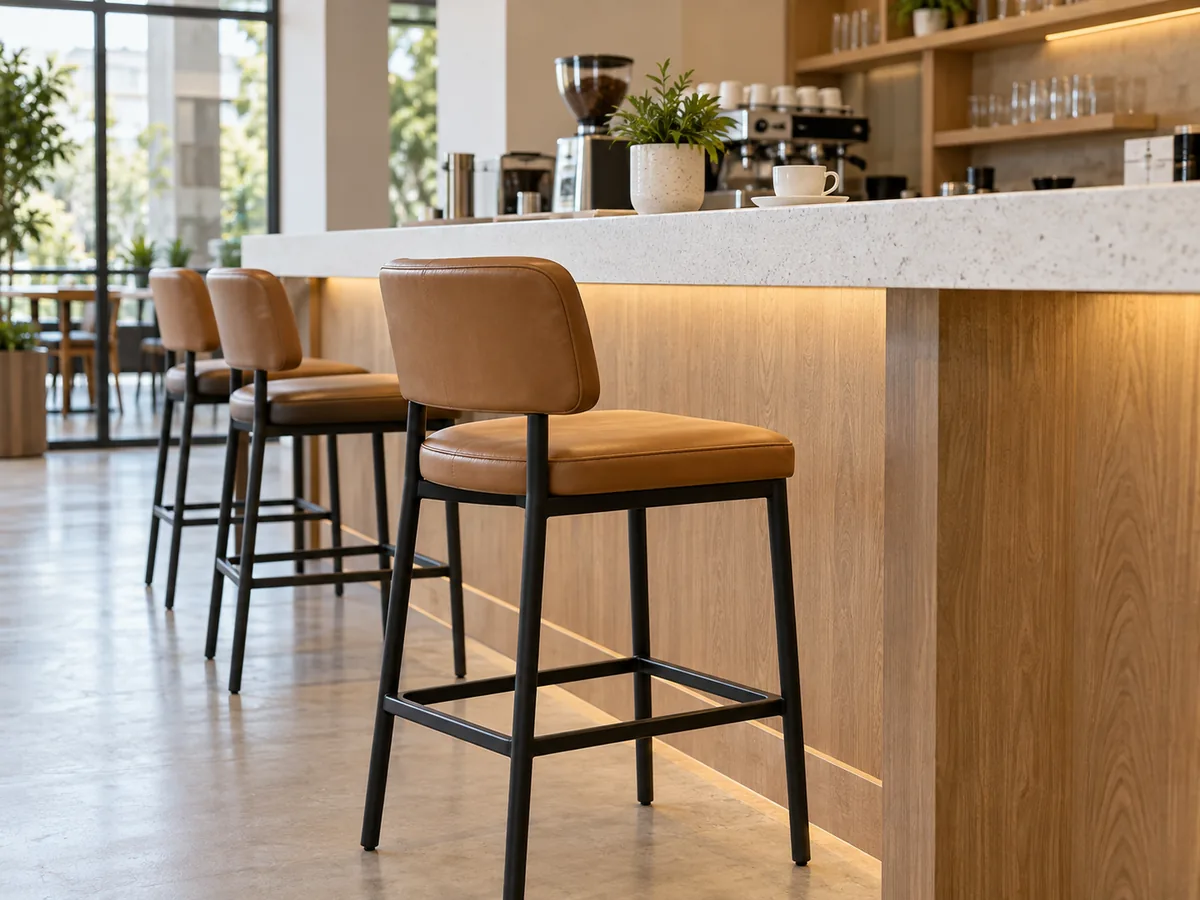
With the right instructions and a few basic tools, this DIY project can give any barstool a fresh new look. With a few basic tools and a little patience, you can give an old stool a clean, updated look. This step-by-step guide walks you through removing the old material, cutting new foam and fabric, and securing everything neatly.
How to Upholster a Bar Stool: Materials & Tools
Before you start, gather all of your materials and tools so the project goes smoothly.
Essential Materials List
Upholstery fabric
You need upholstery fabric to cover the seat and backrest. Choose a fabric that is durable, easy to clean, and comfortable to sit on. Microfiber, faux leather, canvas, and performance polyester are all practical options for home use.
Foam
Foam gives the seat comfort and support. High-density foam is usually the best choice because it holds its shape better and feels firmer over time. If the original foam feels flat or uneven, replacing it will make a noticeable difference.
Staples
Use staples that are strong enough to hold the fabric securely in place.
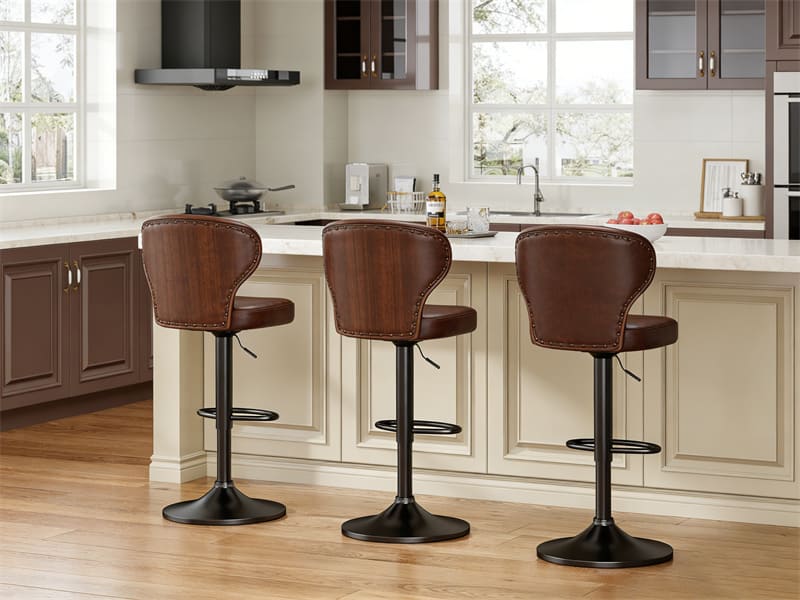
Dust cover fabric if needed
A dust cover goes under the seat to hide the staples and give the underside a cleaner finish. It is optional, but it does make the stool look neater.
Recommended Tools
Screwdriver
Use a screwdriver to remove the seat or backrest, and keep the screws in a safe place for reassembly.
Staple remover
Use a staple remover or a flathead screwdriver to lift old staples without damaging the base.
Pliers
Pliers help remove stubborn staples and can also help hold the fabric while you work.
Staple gun
A staple gun makes it easier to secure the fabric quickly and evenly.
Measuring tape
Use a measuring tape to size the seat and cut your materials accurately.
Choosing Fabric and Foam
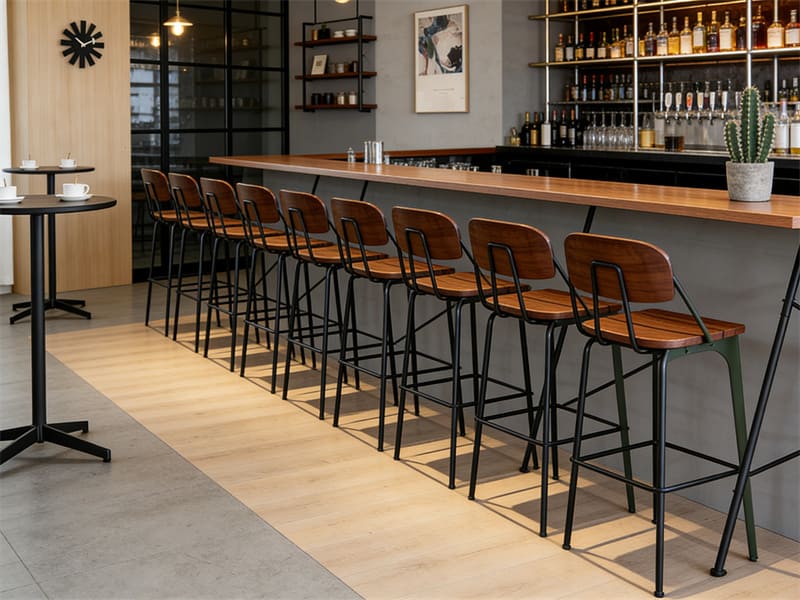
How to Choose Upholstery Fabric?
Think about how the stool is used and how easy the fabric will be to maintain. For kitchen stools, fabrics that resist spills and wipe clean easily are usually the most practical. Microfiber, faux leather, canvas, and performance polyester are all common choices for everyday use.
What to Look For
Durability matters because bar stools get regular use. Cleanability matters because spills and crumbs are common, especially in kitchens. Texture affects both comfort and appearance, so choose a fabric that feels good and fits the look of your space.
Why High-Density Foam Works Better
High-density foam usually gives better support and holds its shape longer than softer, lower-density foam. If the original seat feels flat or uneven, replacing the foam will make a noticeable difference.
Tip: Remove the seat and backrest slowly, and place a towel or soft cloth under the frame to avoid scratches.
Remove Old Upholstery from Barstool
Taking off the old upholstery is the first real step. It can get a little messy, but the process is straightforward if you work slowly and keep the hardware organized.
Detach Seat and Backrest
Start by flipping the bar stool upside down. Most bar stool seat panels are attached with screws or bolts. Use a screwdriver to loosen them. If your stool has a backrest, check for extra screws or brackets holding it in place. Take your time and avoid forcing anything. This helps keep the frame and mounting points in good shape, which is especially important for commercial furniture.
As you remove each piece, place the screws, bolts, and washers in a small container or zip bag. If you are working on more than one stool, label each set so reassembly is easier later.
Tip: Lay a soft cloth or towel on your work surface. This protects the bar stool frame and finish from scratches while you work.
Remove Staples or Tacks
Most bar stool seat panels use staples or tacks to hold the fabric in place. Grab your staple remover or a flathead screwdriver and gently pry up each staple. For stubborn ones, use pliers to pull them out. Work slowly to avoid gouging the wood or bending the base.
Once all the staples or tacks are out, peel away the old fabric. If the fabric sticks, wiggle it gently instead of yanking. Try not to tear the foam or scratch the wood underneath. Keeping the base in good shape makes the next steps much easier.
Clean and Inspect Base
After you remove the old fabric, check the bar stool seat base for leftover dust, bits of foam, or sticky glue. Wipe everything down with a damp cloth. If you see any stubborn glue, use a plastic scraper to lift it off. A clean surface helps the new fabric and foam stick better.
Look closely at the wood base. Is it cracked, loose, or uneven? If you spot any damage, fix it before you move on. Tighten any loose screws or joints. For small cracks, a bit of wood glue can help. A solid base means your new bar stool seat will last longer.
Press on the foam padding. Does it spring back, or does it feel flat and tired? If the foam is lumpy, cracked, or thin, it’s time to replace it. Good foam makes a big difference in comfort, especially in high-traffic spaces. If the foam still feels firm and even, you can reuse it for your next upholstering step.
Prepare and Cut New Upholstery
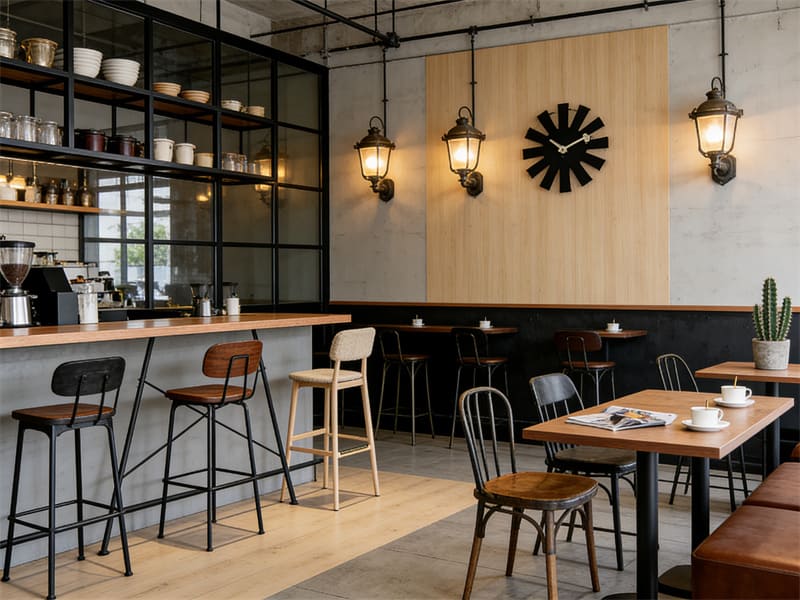
Careful prep makes the finished stool look smoother and more professional.
Measure the seat and back panels
Start by measuring your bar stool seat and back panels. Use a measuring tape for accuracy. Write down the width and depth of the seat. If your stool has a backrest, measure its height and width too. Always measure from edge to edge, right where the fabric will wrap.
- Measure the seat from side to side and front to back.
- For stools with backrests, measure the widest and tallest points of the back panel.
Tip: Double-check your measurements before you cut anything. A small mistake here can affect the final fit.
Cut or replace foam
Foam gives your bar stool its comfort. If the old foam feels flat or lumpy, it’s time for a new piece. Here’s how to get the perfect fit:
- Place the seat base on top of your foam sheet.
- Use a marker to trace around the seat.
- Cut the foam along the traced line. You can use sharp scissors, a serrated knife, or an electric knife for a clean edge.
- Make sure the foam matches the seat shape exactly. Trim any extra bits if needed.
Add batting if needed
Batting adds a soft layer between the foam and the fabric. It smooths out edges and gives a plush look. Not every stool needs batting, but it’s a nice touch for a more finished feel.
- Lay the foam on the batting.
- Cut the batting so it extends about 1 to 2 inches past the foam edge.
- Wrap the batting around the foam and seat base. This helps hide sharp corners and makes the seat look fuller.
Cut fabric with enough wrap allowance
Now it’s time to cut your upholstery fabric. You want enough extra material to pull under the seat and staple securely.
- Leave about 3 inches of extra fabric on each side so you can wrap it under the seat and staple it securely.
- For most bar stools, cutting the fabric about 3 inches larger than the seat on all sides works well.
Note: It is better to have a little extra fabric than not enough, since you can always trim the excess later.
Align patterns, stripes, or textures
If your fabric has a pattern, stripes, or a special texture, take a moment to line it up before cutting. This makes a big difference in the final look.
- Place the fabric face down.
- Center the seat base on the part of the pattern you want to show.
- Make sure stripes run straight and patterns match up, especially if you’re upholstering several stools.
- Mark the fabric lightly with chalk or a fabric pen to keep everything lined up.
If your fabric has a visible pattern, taking a little extra time here will make the finished stool look cleaner.
How to Reupholster a Bar Stool Seat
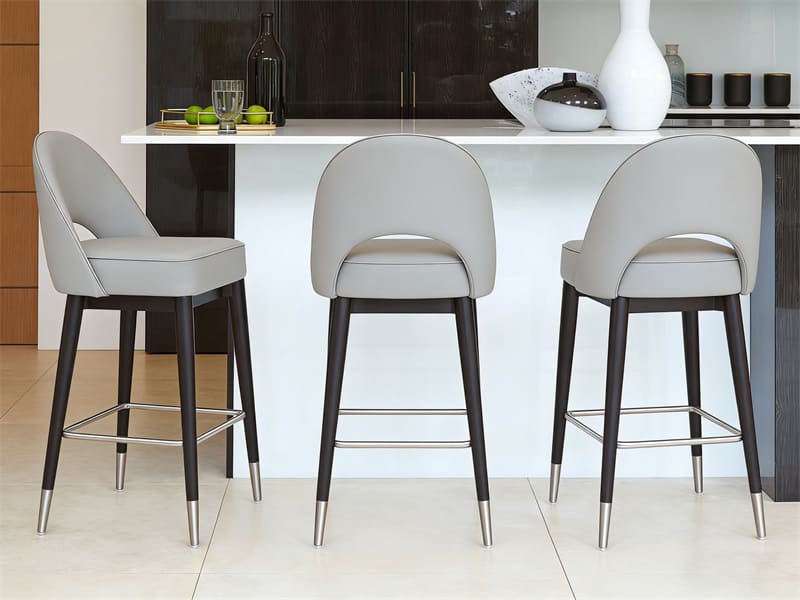
Position the foam, base, and fabric
Lay your seat base on a clean surface. Place the foam on top of the base, making sure it lines up with the edges. If you added batting, wrap it over the foam and let it hang over the sides. Next, center your fabric over the foam and base. Check that any patterns or stripes are straight. This makes it easier to check the fit before you start stapling.
Start stapling from the center of each side
Grab your staple gun. Pull the fabric tight and put your first staple in the center of one side. Move to the opposite side, pull the fabric snug, and staple the center there too. Repeat this for the other two sides. This method keeps the fabric even and helps prevent wrinkles.
Work outward while keeping tension even
Work your way out from the center staples toward the corners. Always pull the fabric tight before adding each staple. Switch from one side to the opposite side as you go. This keeps the tension even and stops the fabric from bunching up. Take a look at your work from different angles to make sure the top stays smooth.
Fold corners neatly
Corners can be tricky. Make small pleats or folds in the fabric as you wrap it around each corner. Don’t rush this part. Smooth out the fabric and check that patterns or lines match up. Use enough staples to hold the fabric, but not so many that it gets bulky.
Trim excess fabric
Once all sides are stapled and the corners look good, grab your scissors. Trim away the extra fabric, but leave enough to cover the staples. Make sure you can still see the screw holes for reattaching the seat. If you spot any loose spots, add a staple or two to keep things secure.
Check the Top Surface Before Finishing
Before you finish, flip the seat over and check the top. Look for wrinkles, bumps, or uneven spots. Smooth the fabric if needed, then add a few more staples anywhere it still feels loose.
How to Upholster a Bar Stool Backrest
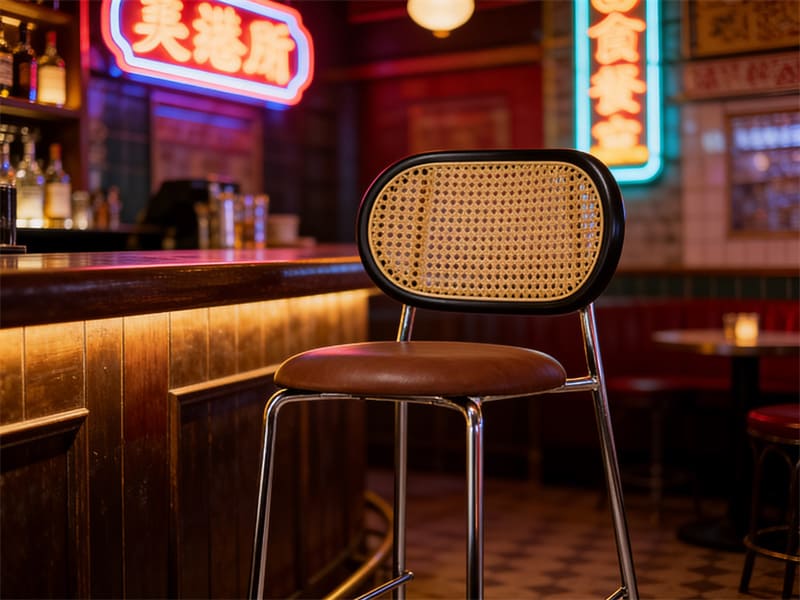
Wrap and secure the back panel
The backrest is handled much the same way as the seat, but it usually takes a little more care around the edges. Lay your fabric flat and place the foam and back panel on top. Pull the fabric up and over the back panel, making sure it feels snug. Grab your staple gun and start in the center of one side. Put in your first staple, then move to the opposite side and add another. Work your way out toward the corners, always pulling the fabric tight. This keeps everything smooth and helps you avoid wrinkles. When you reach the corners, make small folds or pleats so the fabric sits flat and looks neat. Take your time here—neat folds make a big difference.
Keep pattern alignment consistent
If your fabric has stripes, checks, or another obvious pattern, line it up with the seat before you staple. Small alignment differences are easy to notice once the stool is reassembled.
Avoid bulk along the edges
Bulky edges can make a bar stool look sloppy. To avoid this, trim away extra fabric as you go. After stapling, use sharp scissors to cut off any excess, but leave enough to cover the staples. Press down on the edges with your fingers to smooth out any bumps. If you see thick spots, add a few more staples to hold the fabric flat.
Make Sure the Seat and Back Match
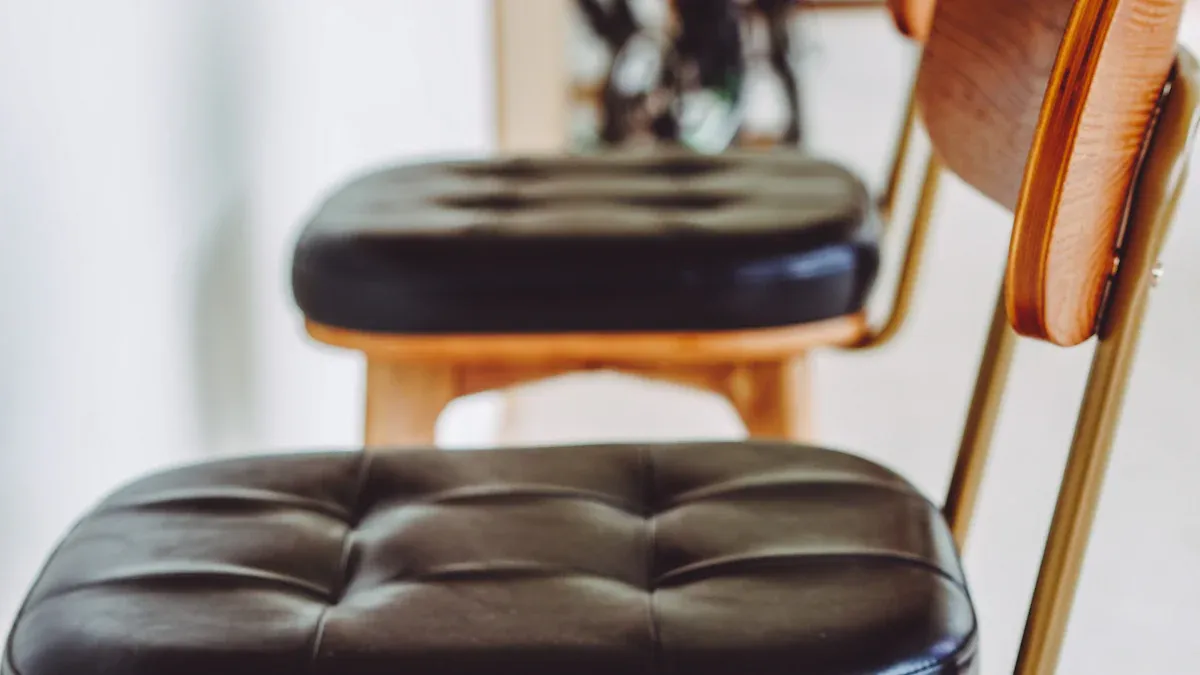
Step back and look at your work. The seat and backrest should look like they belong together. Check that the colors, patterns, and textures work well together, and make small adjustments if anything looks off.
Troubleshooting Common Upholstery Problems
Even if you work carefully, a few common problems can still show up. Here is how to fix them.
Loose fabric
Loose fabric can make a seat look messy and feel uncomfortable. If you notice ripples or sagging, check the staples. Sometimes, pulling the fabric tighter and adding a few more staples does the trick. If the fabric still looks loose, you might need to remove a few staples and re-stretch the material. Always check the top side of the seat as you work to keep things neat and firm.
Bulky corners
Bulky corners can make your bar stool look unfinished. To fix this, trim away extra fabric at the corners. Fold the fabric neatly, like you’re wrapping a gift, and staple it down. If the corners still look thick, try thinning out the batting in those spots. This helps the fabric sit flatter and gives a cleaner look.
Crooked patterns
Patterns that do not line up can stand out right away. Before stapling, double-check that stripes or designs run straight across the seat and backrest. If you spot a crooked pattern after stapling, carefully remove the staples and realign the fabric. Taking a few extra minutes here makes a big difference.
Flat foam
A seat that feels flat or hard usually means the foam needs replacing. High-density foam keeps its shape longer and feels more comfortable. If your foam looks thin or cracked, replace it before adding new fabric.
Weak staple hold
If staples don’t grip well, the fabric may loosen over time. Make sure you use heavy-duty staples and a strong staple gun. Press firmly when stapling. For wood bases, check that the wood isn’t too soft or damaged. If needed, move the staple to a firmer spot.
Uneven finish after reassembly
Sometimes, the seat or backrest looks uneven after you put everything back together. Double-check that all screws and bolts are tight and the seat sits flat on the frame. If the fabric looks bumpy, smooth it out and add a few more staples where needed.
Reassemble and Inspect the Bar Stool
Reattach seat and backrest
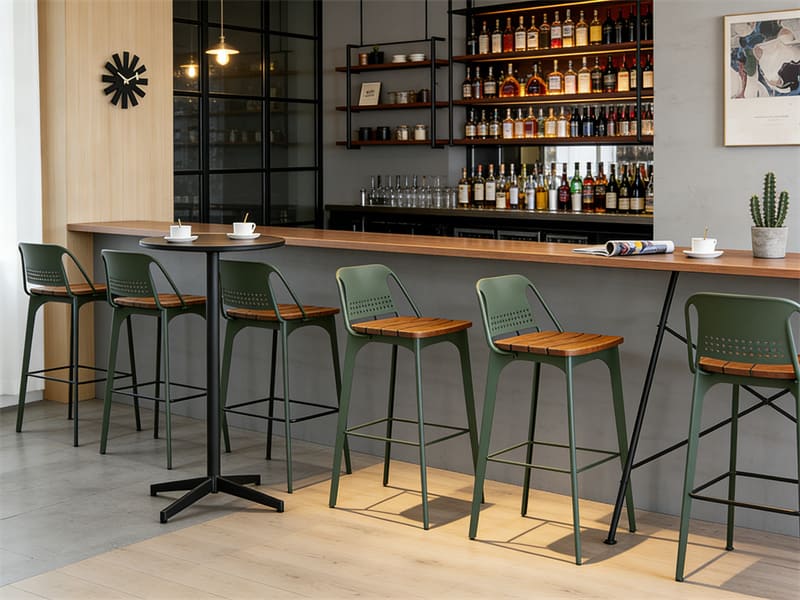
Now it is time to put everything back together. Place the seat on the stool frame and line up the screw holes. Use the screws or bolts you saved earlier. If your stool has a backrest, attach it next. Reattach each piece in the same order you removed it so everything lines up properly.
Check stability and alignment
Check the stool carefully before you use it:
- Make sure all screws and bolts are tight.
- Sit on the stool and gently rock it to test for wobbles.
- Look at the stool from different angles to see if the seat and backrest are straight.
- Double-check that any fabric patterns line up for a neat look.
Inspect finish quality
Take a close look at your work. Run your hand over the seat and backrest. The fabric should feel smooth, with no bumps or loose spots. Check the corners and edges for clean folds. If you see any staples sticking out, tap them down or remove and replace them.
Final cleaning and care
Before you use the stool, give it a quick clean. Wipe down the frame with a soft cloth and vacuum the seat and backrest to remove dust or loose threads. Regular spot cleaning will help the new upholstery stay in better shape.
Once everything feels secure and looks smooth, the stool is ready to use.
FAQ
How much fabric do I need for one bar stool?
Most bar stool seats need about 1/2 yard of fabric each. If your stool has a backrest or you want to match patterns, get a little extra. Always measure first to be sure.
Can I use regular fabric instead of upholstery fabric?
You can, but upholstery fabric works better. It’s stronger and lasts longer, especially in busy places. Regular fabric may wear out or stain faster.
What’s the best way to clean upholstered bar stools?
For most fabrics, wipe spills right away with a damp cloth. For deeper cleaning, use a mild soap and water. Always check the fabric label for special care tips.
Do I need special tools to upholster a bar stool?
No special tools are required. A staple gun, scissors, screwdriver, and pliers are usually enough. A staple remover helps, but a flathead screwdriver can also work.
How do I keep the fabric from wrinkling or sagging?
Pull the fabric tight as you staple. Start in the center of each side and work out to the corners. Check the top often to keep things smooth.