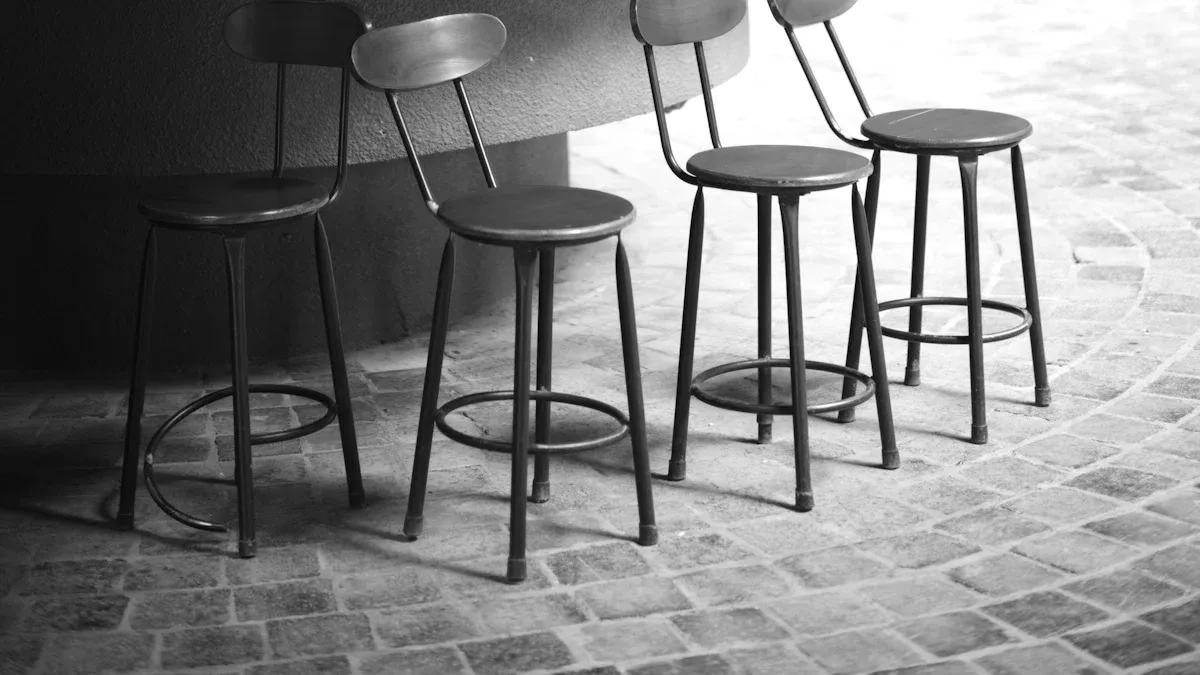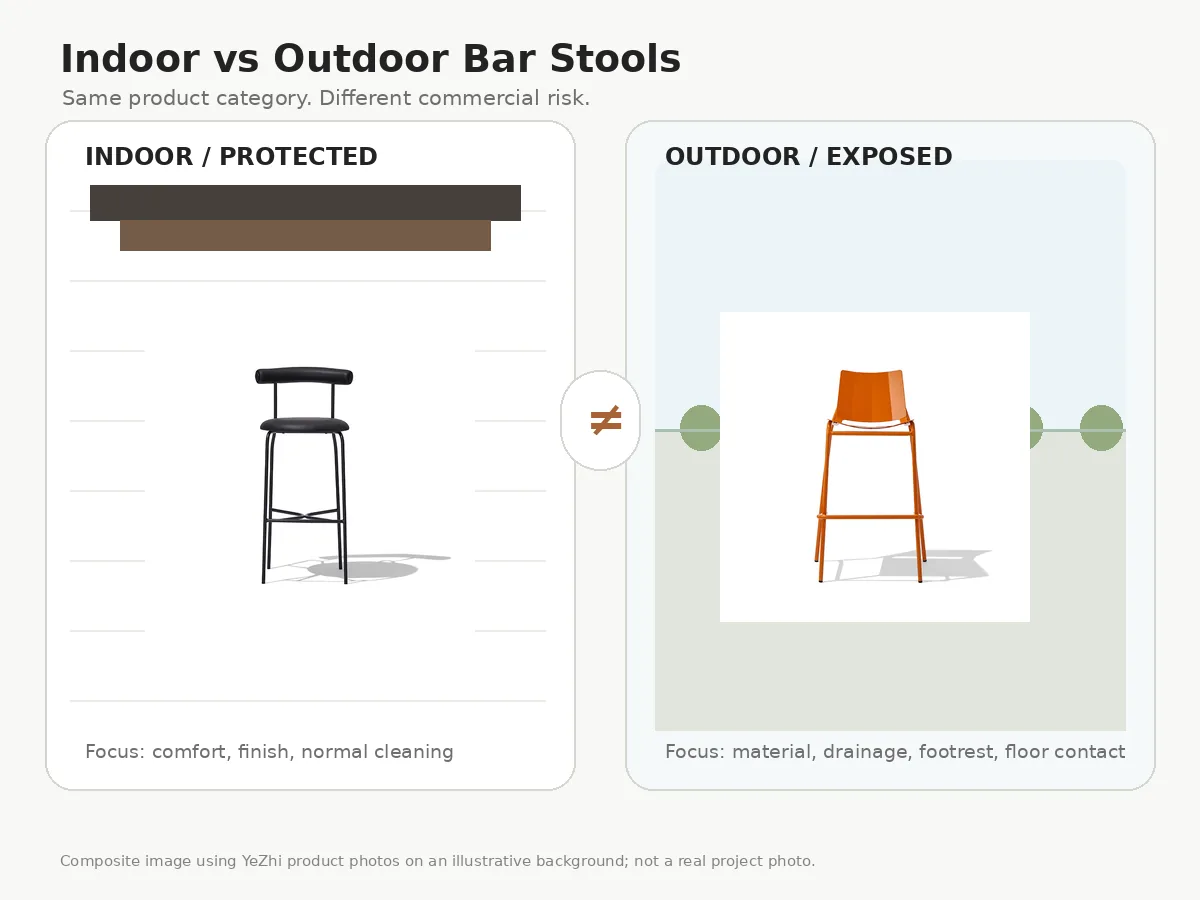
Bar stools that sit too low are a common problem, especially after moving them to a new counter, island, or bar table. The right fix depends on how much height you need, how the stool is built, and whether it is already stable.
For a height difference of 1–2 inches, leg extenders or a thicker seat cushion are usually enough. For 2–3 inches, fixed leg extensions or a reinforced base make more sense. If your stools need more than 3–4 extra inches, replacement is usually the safer and cleaner solution.
How Much Taller Do Your Bar Stools Need to Be?
Before you try to fix anything, measure the distance between the top of the seat and the underside of your counter or bar. For most people, about 10 to 12 inches of clearance feels the most comfortable.
That measurement tells you a lot. If the stool is only slightly too short, you may be able to correct it with a cushion or leg extenders. If it is several inches too low, the problem usually needs a more solid solution.
| Height Difference | Best Approach |
|---|---|
| 1 inch | Seat cushion or small leg extenders |
| 1–2 inches | Leg extenders or low-profile fixed extensions |
| 2–3 inches | Reinforced wood or metal leg extensions |
| 3–4+ inches | Replacement is usually the better option |
Best Ways to Make Bar Stools Taller
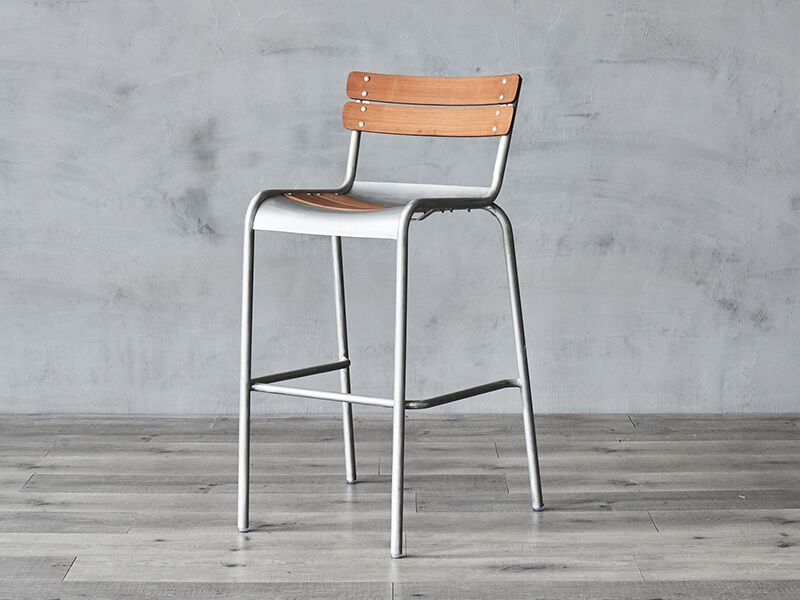
There is no universal fix that works for every stool. The best option depends on the height gap, the material, and how sturdy the stool already feels.
Use Leg Extenders
Leg extenders are one of the easiest ways to make a bar stool taller. They work best when the stool is already solid and only needs a small boost.
You can find them in wood, metal, and synthetic materials. Metal versions tend to hold up better over time, especially if the stools get used every day.
You will usually need:
- Leg extenders sized for your stool legs
- A measuring tape
- A screwdriver or Allen wrench, depending on the design
- Rubber or felt pads to protect the floor
This is a good option for modest adjustments. It is not the best choice for stools that already feel loose, narrow, or top-heavy.
Add a Thicker Seat Cushion
A thicker seat cushion is the quickest fix when the stool only needs a little more height. It can also make the stool more comfortable, which is a nice bonus for kitchen seating.
This works best when:
- You only need about 1 inch of extra height
- The stool seat is flat and wide enough
- The cushion can stay in place without sliding around
Choose a cushion with a non-slip backing so it stays put. Avoid very thick cushions on narrow stools, since they raise the sitting position without doing anything to improve stability.
Add Fixed Leg Extensions or Blocks
If you need a more permanent solution, fixed leg extensions are usually stronger than slip-on extenders or seat cushions. This is often the better route when the stool needs 2 inches or more.
Common options include:
- Matching wood blocks attached under each leg
- Metal sleeves or spacers fixed to the bottom of the legs
- Screw-on extension legs with added support
- A rebuilt lower frame that raises the overall height
You may need:
- A saw
- A measuring tape
- A pencil
- Sandpaper
- Screws
- Wood glue or metal adhesive, depending on the stool material
This method only works well when all four legs stay even. Even a slight difference in leg length can create wobble, and that problem usually gets worse as the seat gets higher.
Replace the Stools
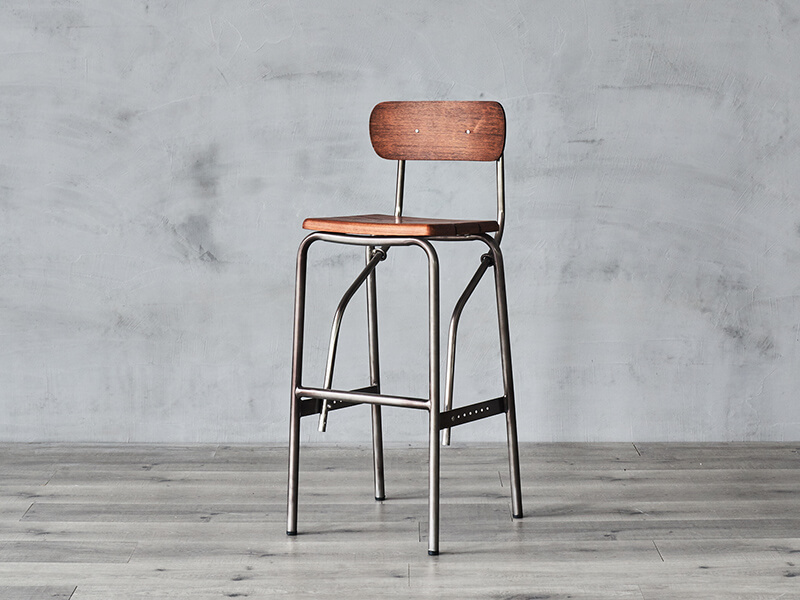
Sometimes a stool can be modified, but that does not mean it should be. If the stool needs a major height increase, or already feels unstable, replacement is often the cleaner and safer answer.
Replacement usually makes more sense when:
- The stool is more than 3 to 4 inches too short
- The stool already rocks or twists
- The base is too narrow for a taller sitting position
- The footrest will end up awkwardly low
- You want a cleaner, more consistent result
In a lot of homes, replacing the stools ends up saving time and avoiding a fix that looks obviously improvised.
What Is the Safest Way to Raise Bar Stools?
Any change should start with stability, not appearance. A stool that looks taller but feels less secure is not an improvement.
Check Leg Balance First
Set the stool on a flat surface and press gently on each corner. If it rocks before you modify it, fix that issue first. Do not add height to a stool that already wobbles.
Test It on a Hard Surface
Carpet and soft flooring can hide balance problems. Test the stool on tile, wood, or another hard surface so you can see how it actually sits. Then sit on it and shift your weight from side to side.
Make Sure All Four Legs Stay Even
After adding extenders or blocks, measure every leg again. Sand down any high spots or add leveling pads where needed. Uneven legs are one of the main reasons modified stools end up feeling unsafe.
Avoid Big Height Increases on Narrow Stools
A narrow stool base does not pair well with a large height increase. The seat goes higher, but the footprint stays the same. That makes tipping more likely, especially in active households.
Recheck the Footrest Position
Raising the seat changes more than the seat height. It also changes how the footrest feels. If the seat goes up but the footrest stays too low, the stool may feel awkward even if it technically works.
Did You Buy the Wrong Stool Height?
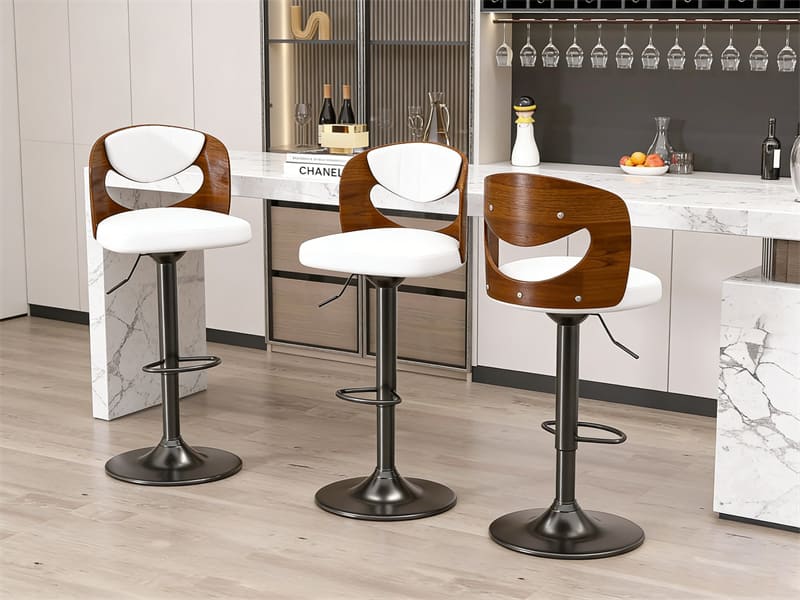
A lot of “too short” stool problems come down to measuring, not quality. One of the most common mistakes is mixing up counter-height stools and bar-height stools.
Counter Height vs. Bar Height
| Stool Type | Seat Height | Surface Height |
|---|---|---|
| Counter-height stool | 22–26 inches | 35–40 inches |
| Bar-height stool | 27–35 inches | 41–43 inches |
Counter stools are meant for kitchen counters and lower surfaces. Bar stools are meant for taller bar tops and high tables. The difference does not always look dramatic, but it feels noticeable once you sit down.
How Much Space Should Be Left Between the Seat and Counter?
The usual target is 9–12 inches, with 10–12 inches being the most comfortable range for most people.
If your stools are outside that range, the issue may not be the stool quality at all. It may simply be the wrong stool height for the surface.
Best Fix by Situation
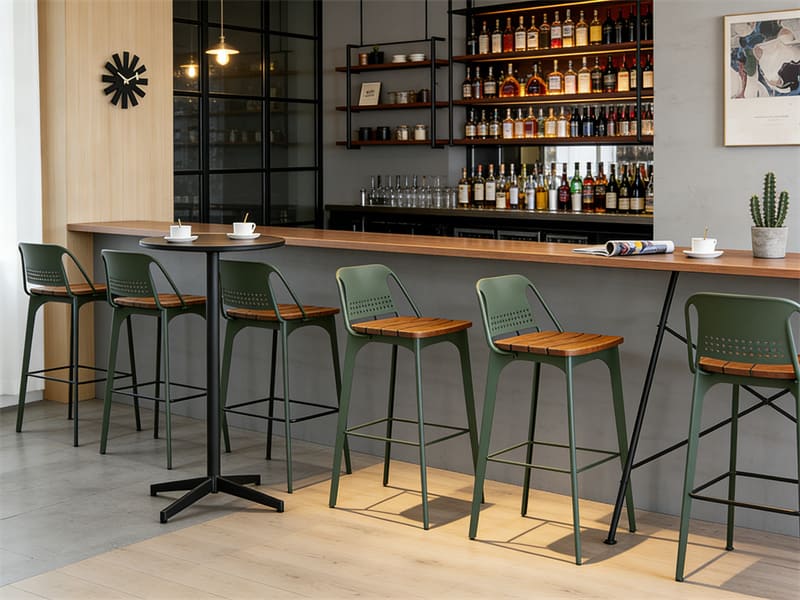
If Your Stools Are Only Slightly Too Short
This is usually the easiest problem to solve. A thicker seat cushion or small leg extenders are often enough. Keep the change modest and recheck stability afterward.
If They Are 2 to 3 Inches Too Short
At that point, a stronger fix usually makes more sense. Fixed wood or metal extensions tend to work better than soft add-ons. After the change, the stool should still feel solid when someone sits down, shifts, and stands up.
If They Have Metal Legs
Metal stools usually need purpose-made extenders or welded modifications. Clamp-on or screw-on extenders are usually the safest option for small adjustments. For larger changes, replacement is often the better call.
If They Have Wooden Legs
Wooden stools are easier to modify neatly. Matching wood extensions, dowel connections, or a rebuilt lower frame can all work. Sanding and finishing the new pieces to match the stool usually makes the result look more intentional.
If They Already Wobble
Do not add height until the wobble is fixed. Check for loose joints, uneven legs, worn feet, or structural cracks. Height will only magnify the problem.
When Modification Makes Sense, and When Replacement Is Better
Modification usually works best when:
- The stool is structurally sound
- The height increase is modest
- The base stays stable after the change
- The finished result still looks clean
Replacement is usually the better option when:
- The stool is far too short
- The base is narrow or unstable
- Several stools need the same correction
- You want a cleaner long-term solution
A quick fix is only a good fix when it does not create a new stability problem.
FAQ
How do I know if my bar stools are the right height?
Measure from the top of the seat to the underside of the counter or bar. In most cases, 10–12 inches of clearance feels the most comfortable.
Can I use leg extenders on any type of bar stool?
Not always. The extender has to match the leg shape, size, and material. A loose fit can make the stool less stable instead of more useful.
Is it safe to stack blocks under bar stool legs?
No. Stacking loose pieces is not a reliable solution. Use one solid extension per leg, securely attached and carefully leveled.
What is the easiest way to make a bar stool taller?
For a small height increase, a thicker seat cushion or properly fitted leg extenders are the easiest options.
When should I replace the stool instead of modifying it?
Replace it when the stool needs a major height increase, already wobbles, or no longer feels safe after testing.