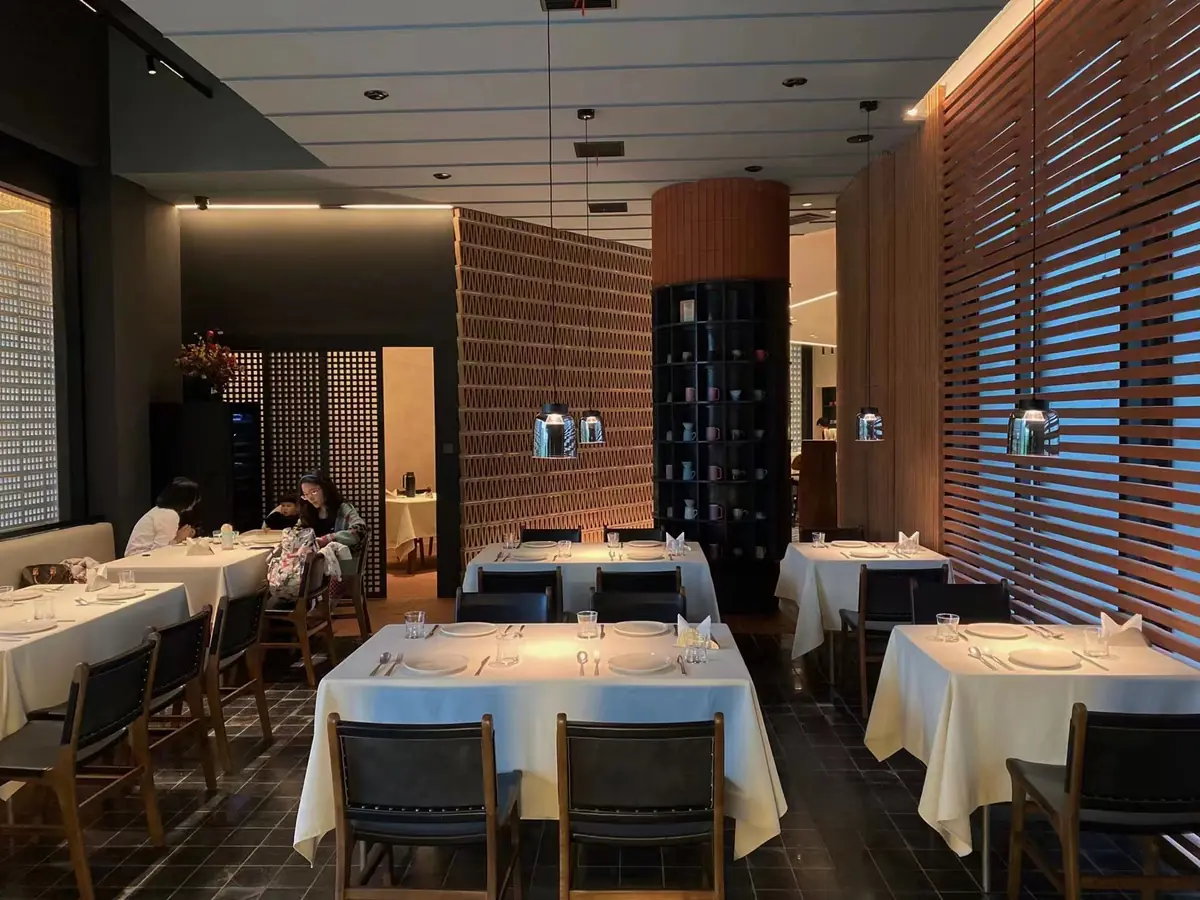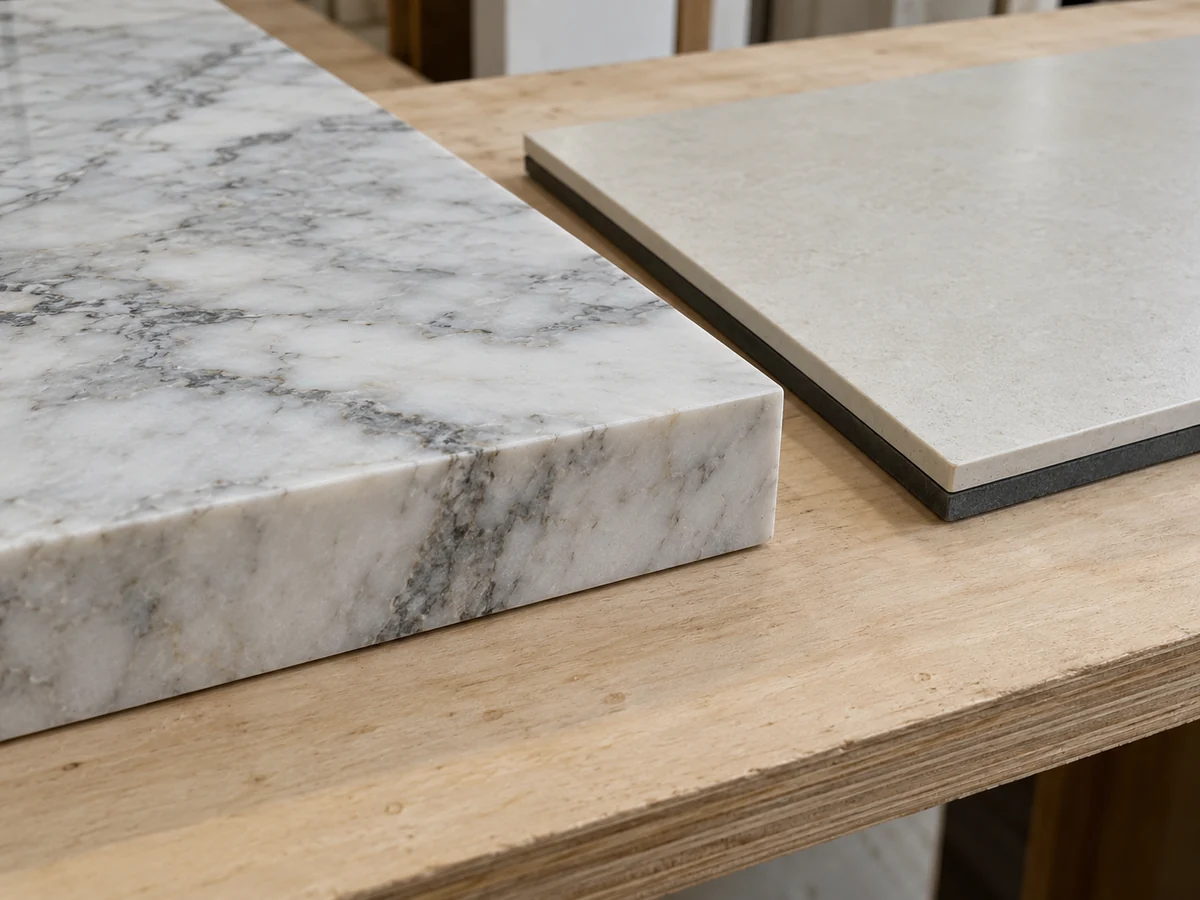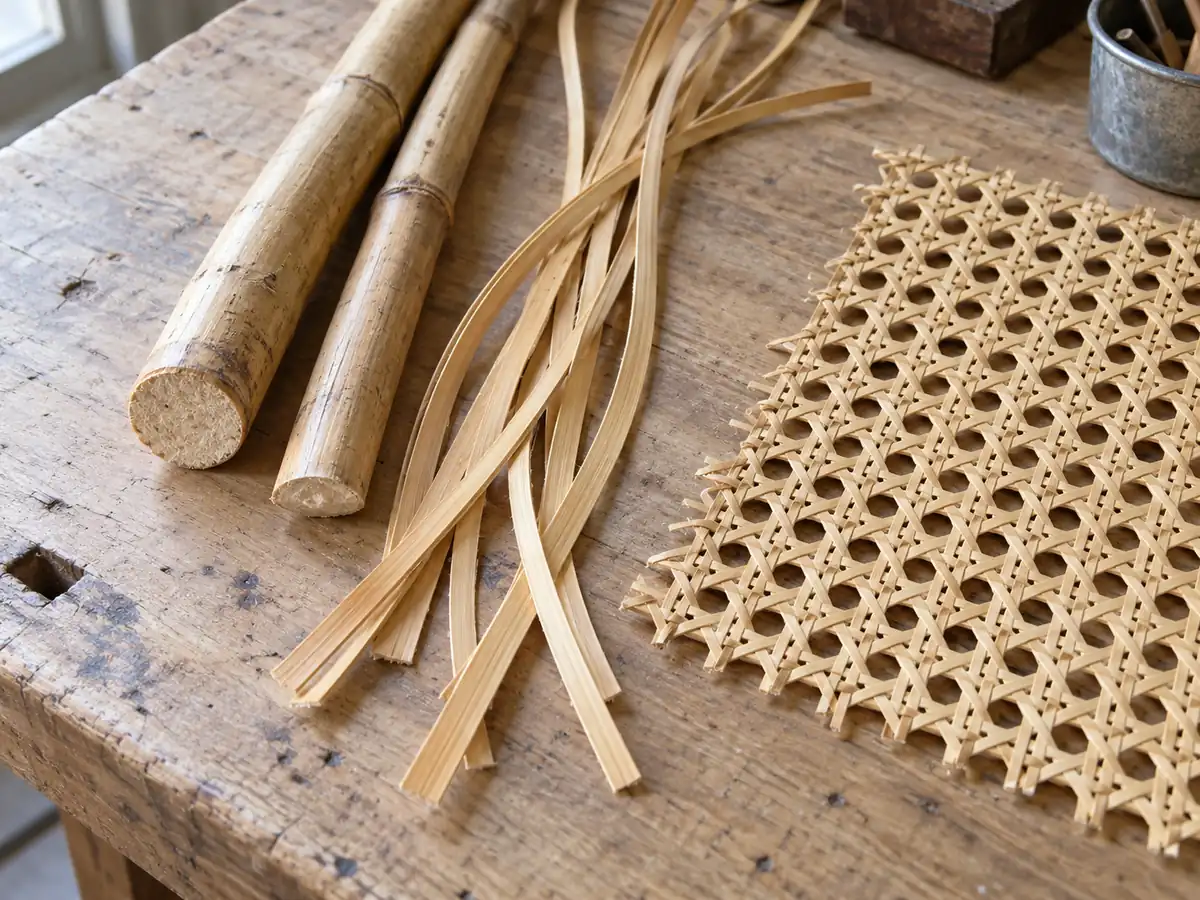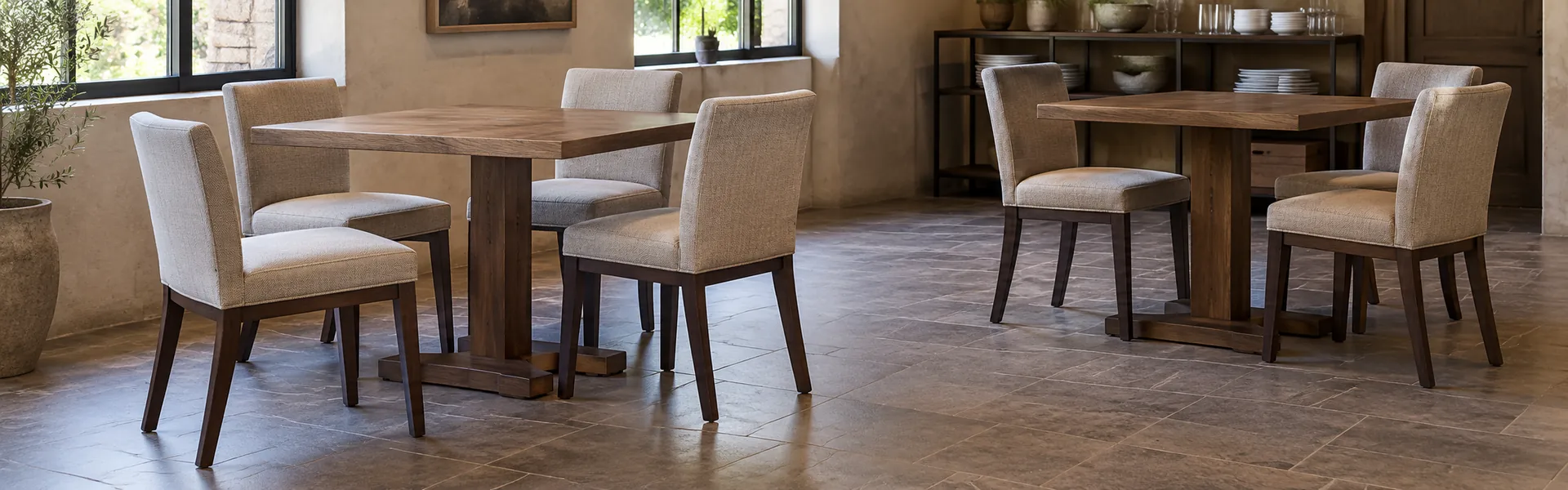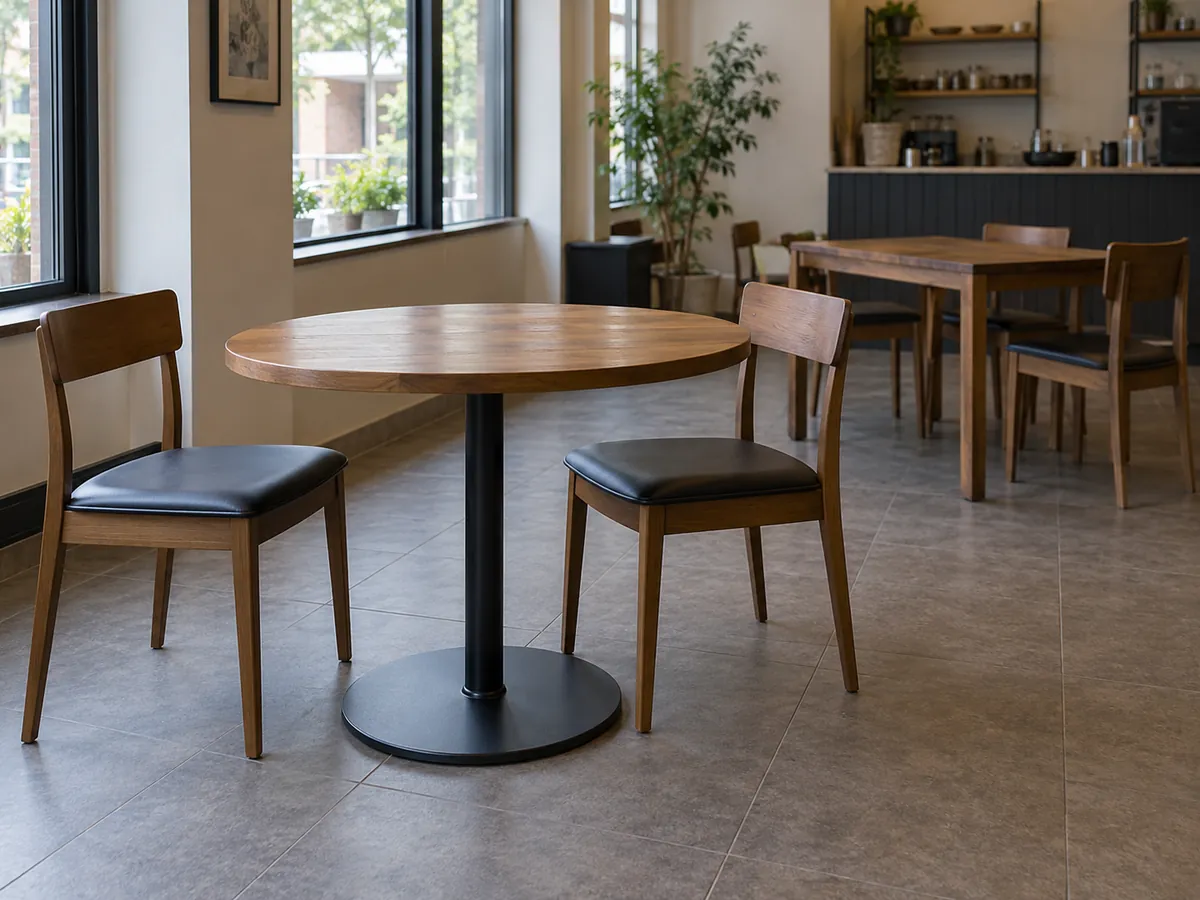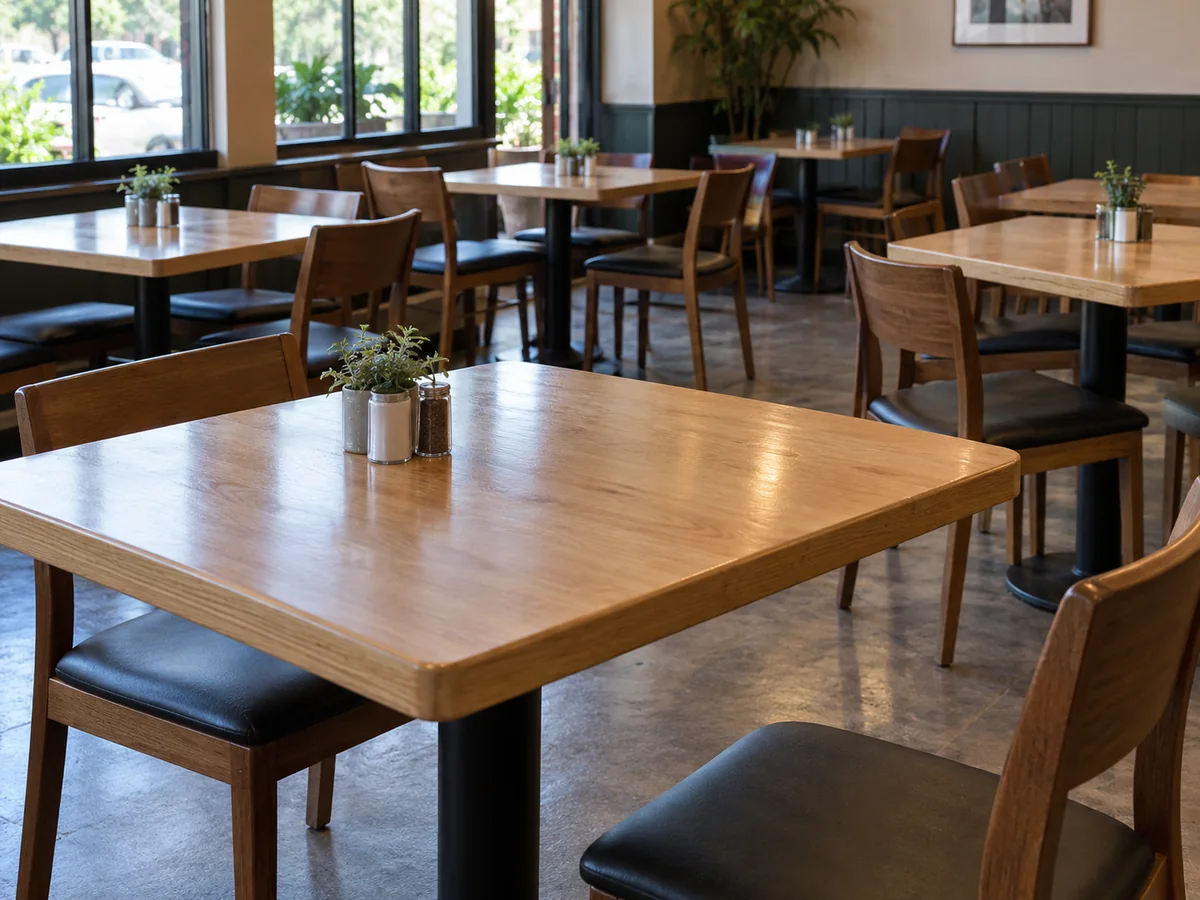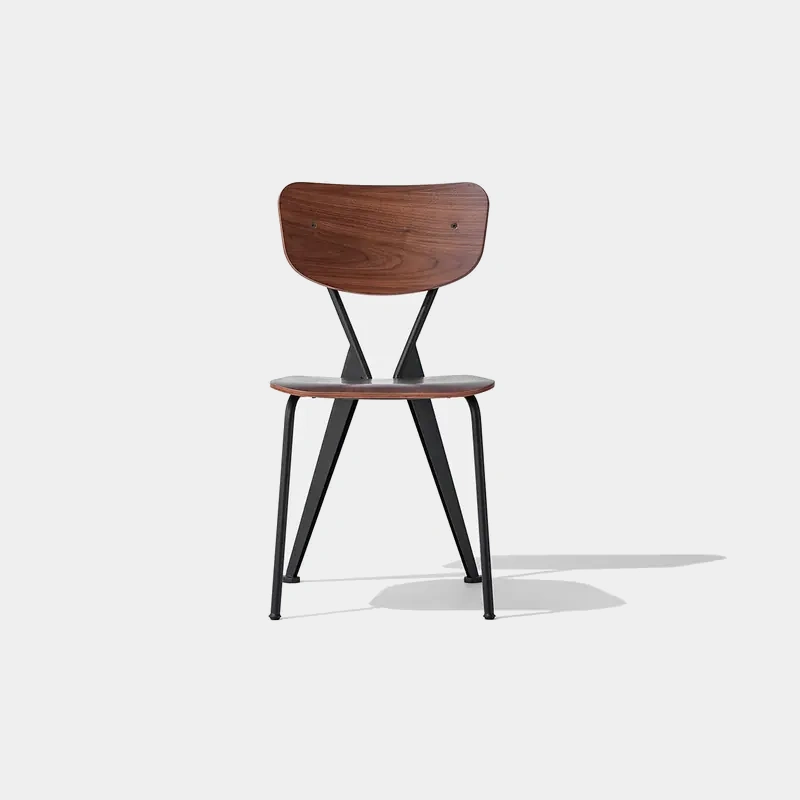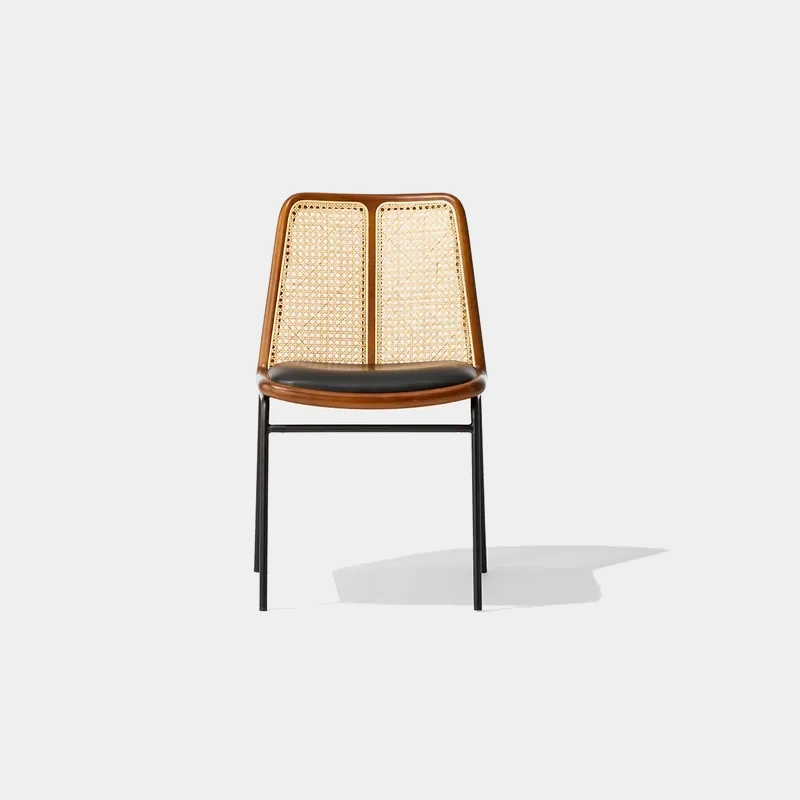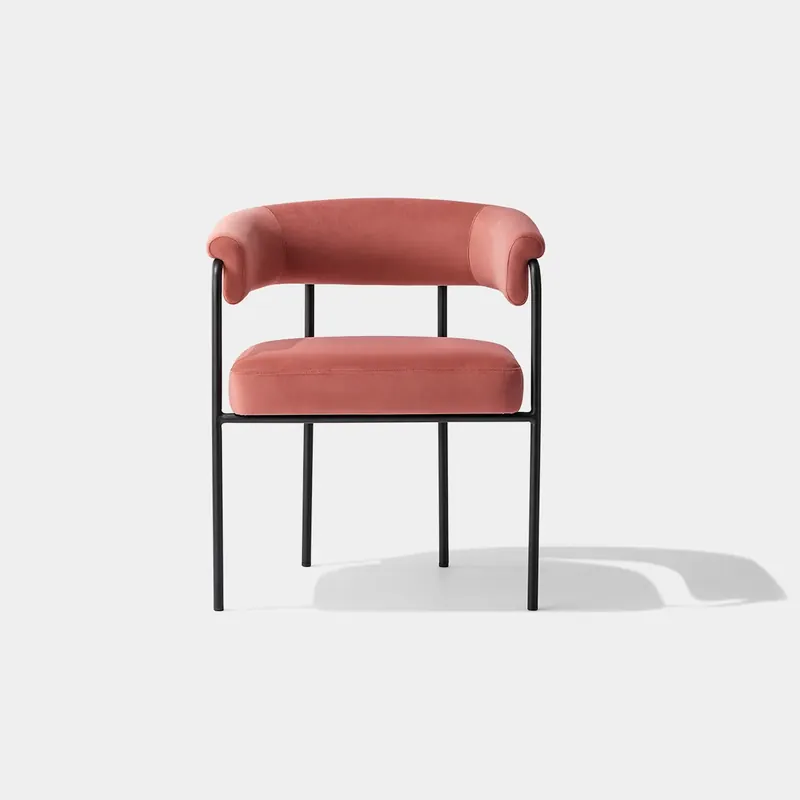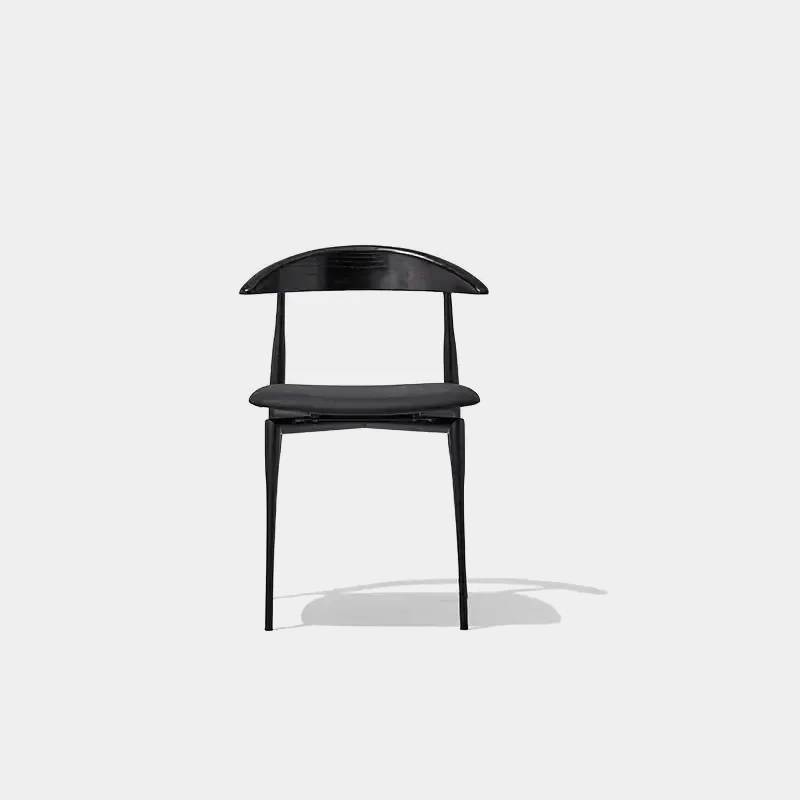
For restaurant chair upholstery materials, start with how the seats will be cleaned. Choose commercial vinyl for frequent spills and quick wipe-downs, contract fabric when texture and a softer feel matter and staff can manage spot cleaning, or protected leather when its character justifies the care and cost. Consider PU separately: its coating, resistance to heat and humidity, and approved cleaners matter more than the label “faux leather.”
For a busy family restaurant, we would shortlist wipe-clean vinyl first. For a café where guests sit over coffee, a tested woven fabric can be the better choice. A steakhouse may prefer protected leather. The useful question is whether the exact material suits your service, cleaning routine and chair construction.
Restaurant chair upholstery materials at a glance
Match the upholstery to the hardest part of daily service, then compare actual samples. The material name gives you a starting point; the surface finish, backing and upholstery work decide how that choice performs on the chair.
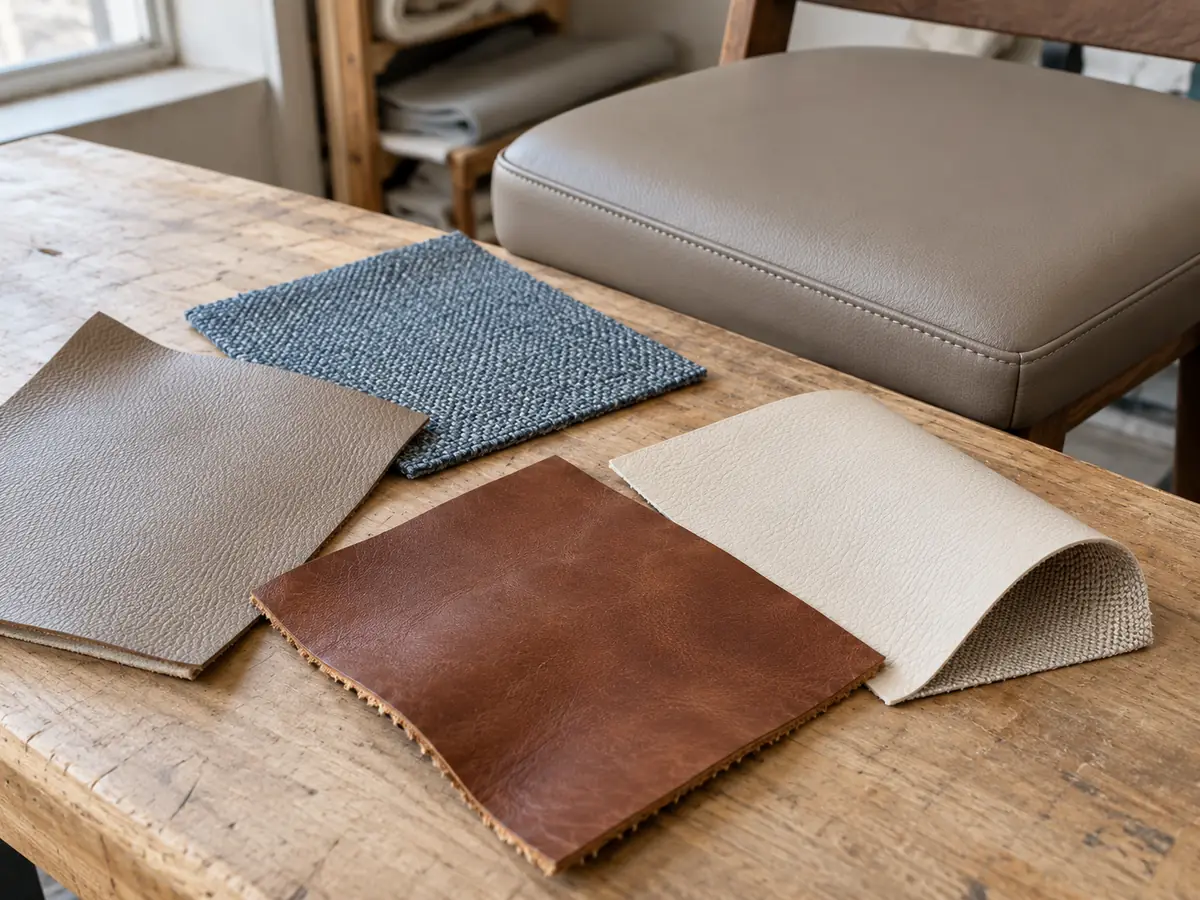
| Material | Choose it when | Main advantage | Check before ordering |
|---|---|---|---|
| Commercial vinyl, usually PVC-based | Spills are frequent and seats need quick wiping | A continuous surface that is practical to wipe clean | Exact composition, cleaner compatibility, seams and color transfer |
| Contract woven or performance fabric | Texture and comfortable contact matter, with time for spot cleaning and drying | Wide choice of tactile surfaces, colors and patterns | Stain response, pilling, cleaning method and backing |
| Genuine leather with a protected finish | Leather character is part of the dining concept and suitable care is available | Natural variation and a distinctive feel | Finish type, approved care, color variation and repair options |
| PU-coated upholstery | A particular softer leather-like surface suits the design | Leather-like appearance with product-specific surface properties | Hydrolysis report, cleaner compatibility and coating adhesion |
“Performance fabric” describes claimed features, rather than one fiber. “Leatherette” and “vegan leather” also need a composition sheet. Two materials with the same marketing name can require different cleaning and have different failure risks.
If you are still choosing between wood, metal and padded seating, start with our restaurant chair materials guide. Here, the comparison concerns the cover on an upholstered seat or back.
When is vinyl the practical first choice?
Choose commercial vinyl first when staff need to remove food and drink quickly between guests. A smooth coated surface is easier to wipe than a deep weave or pile. That makes it a useful starting point for family dining, breakfast rooms and busy casual restaurants.
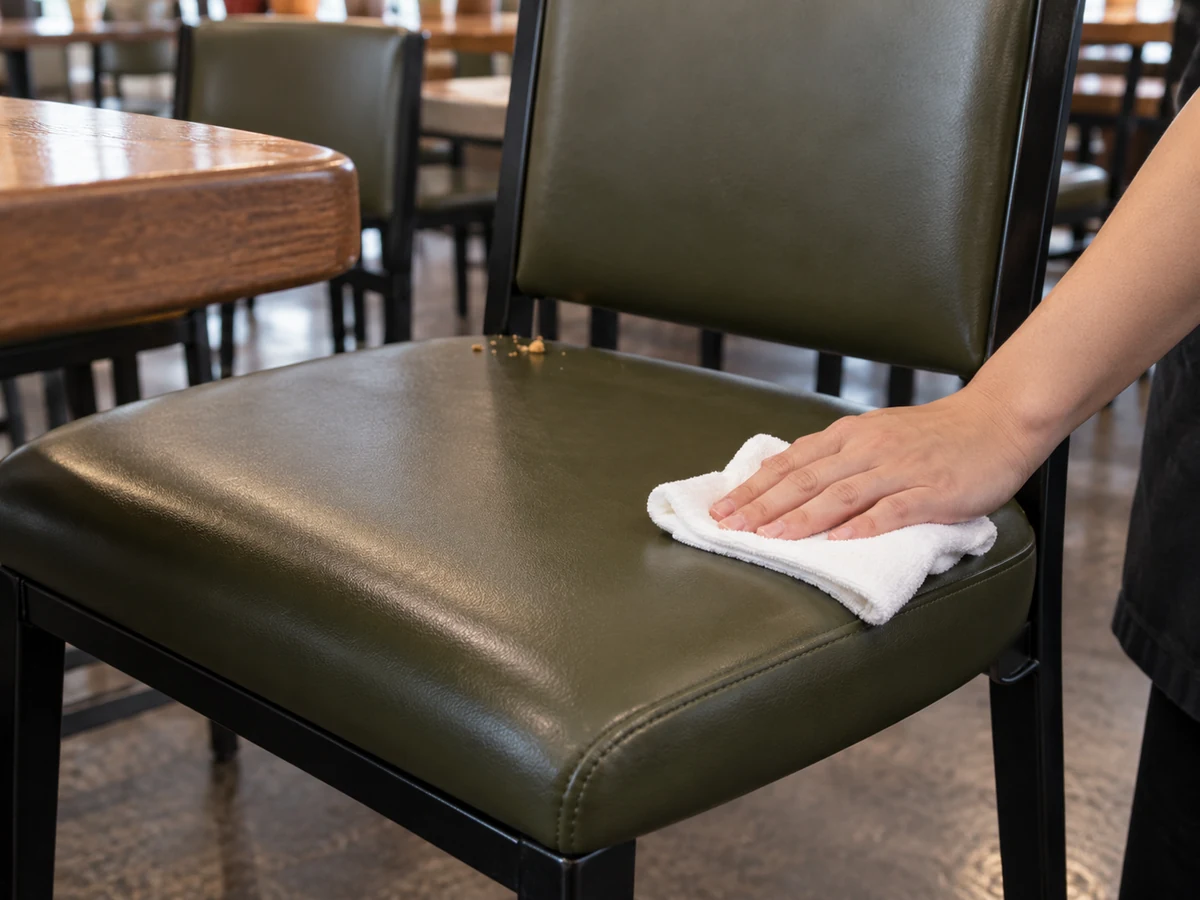
The surface still needs to suit your cleaning products. A vinyl that tolerates mild soap may have different limits for a degreaser or disinfectant. Ask for the approved product, concentration and any rinsing instructions for the exact upholstery code. Put those details beside your existing cleaning products before selecting the color.
Spradling’s coated-fabric cleaning guide, for example, calls for removing cleaning residue and identifies different restrictions for particular finishes. That is a useful reason to select the material and care routine together.
Look beyond the flat surface
A wipeable face does not make the whole cushion waterproof. Liquid can reach stitch holes, seams and the underside. Deep buttons, channels and heavy piping also create more places for crumbs and residue to collect.
For a spill-heavy dining room, favor a simple seat surface with accessible edges. On a sample chair, wipe the front edge and the seat-to-back gap as well as the middle. If the cloth cannot reach a recess, staff will face the same problem during service.
Light vinyl needs a separate color-transfer check. Dark clothing can leave dye on pale coated surfaces. If light cream is essential to the design, review the material supplier’s transfer guidance and compare a cleaned sample with an unused one. A slightly darker tone may be a better operational choice if marks remain obvious.
When does fabric work better than vinyl?
Choose contract fabric when its texture and feel improve the dining experience and your team can keep it clean and dry. For vinyl vs fabric dining chairs, the key trade-off is fast surface wiping versus the feel and design range of a textile.
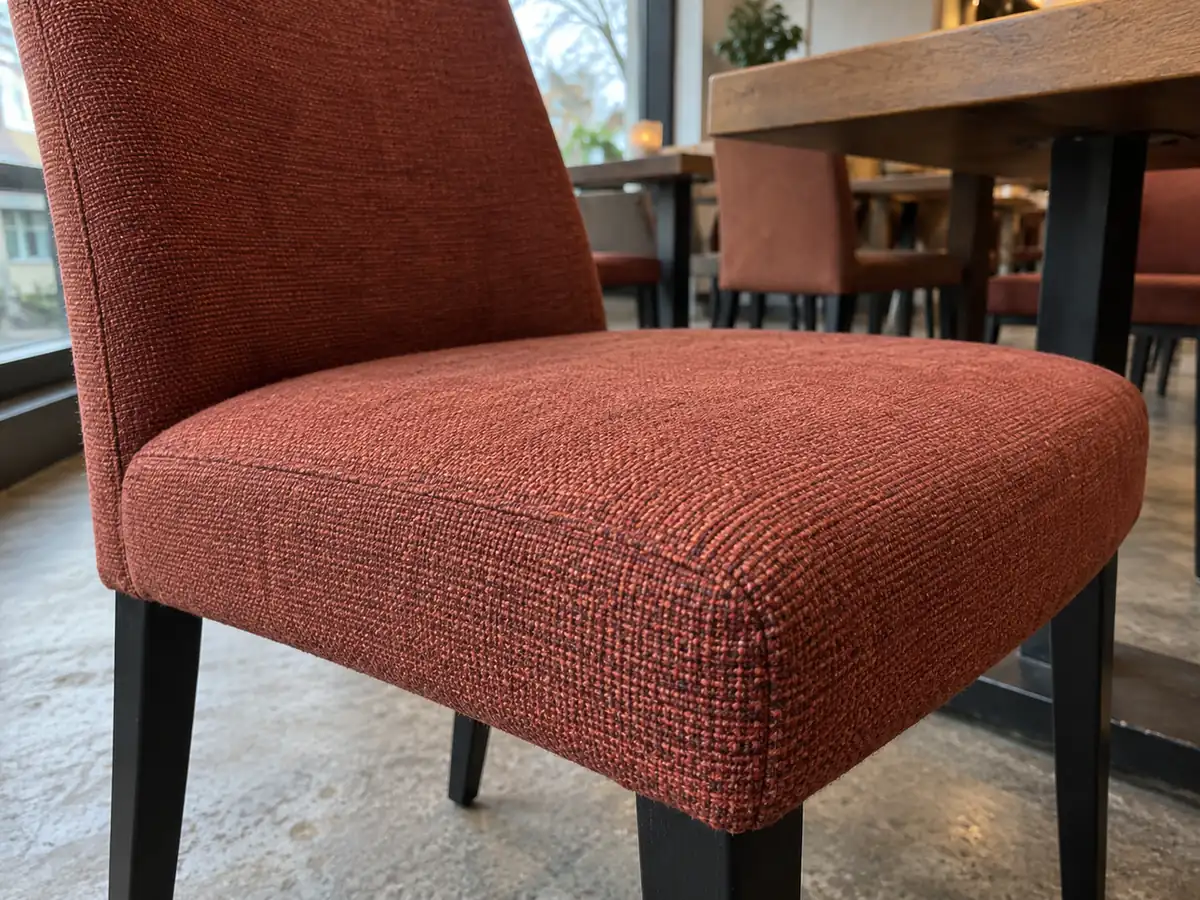
Start with a tightly constructed, relatively flat commercial chair upholstery fabric. It gives you a manageable baseline for comparing crumb removal and stain cleaning. Then consider a more textured option if the sample performs well enough for your menu and staffing.
Compare the surface as well as the fiber
Polyester, acrylic, wool and blends can all appear in upholstery. Fiber content alone will not tell you whether a finished restaurant chair fabric resists stains, pills, snags or stretches at a seam. Weave, yarn, finish and backing also matter.
- Flat woven fabric: a sensible first sample for everyday upholstered dining chairs. Check whether crumbs brush out and whether cleaning leaves a ring.
- Short-pile velvet: worth considering for a richer dining room. Check pressure marks, pile direction and the appearance after cleaning.
- Bouclé or open textures: consider for lower-spill locations only after testing crumb removal and snagging. The texture that looks attractive can also make cleaning slower.
Performance fabrics can broaden the choice, but read the particular care instructions. Sunbrella’s upholstery guidance includes thorough rinsing and complete air drying for its fabrics. If your staff cannot take a damp chair out of service, that affects the choice even when the stain itself comes out.
You can use different materials on the seat and back
If you want fabric’s appearance with easier seat cleaning, consider a vinyl seat and fabric back. Approve the two surfaces together on the chair. The seat takes food spills and sliding contact; the outer back may take hand contact when chairs are moved.
This combination works best when the cleaning routine remains simple. Give staff clear instructions for each surface, and check that a cleaner used on the seat will not be sprayed onto an incompatible fabric back.
Is genuine leather worth choosing for restaurant chairs?
Choose genuine leather when its feel and appearance matter enough to support the required care; start with a protected, pigmented finish for busy dining. A highly absorbent leather can develop marks and color changes that suit one interior but look untidy in another.
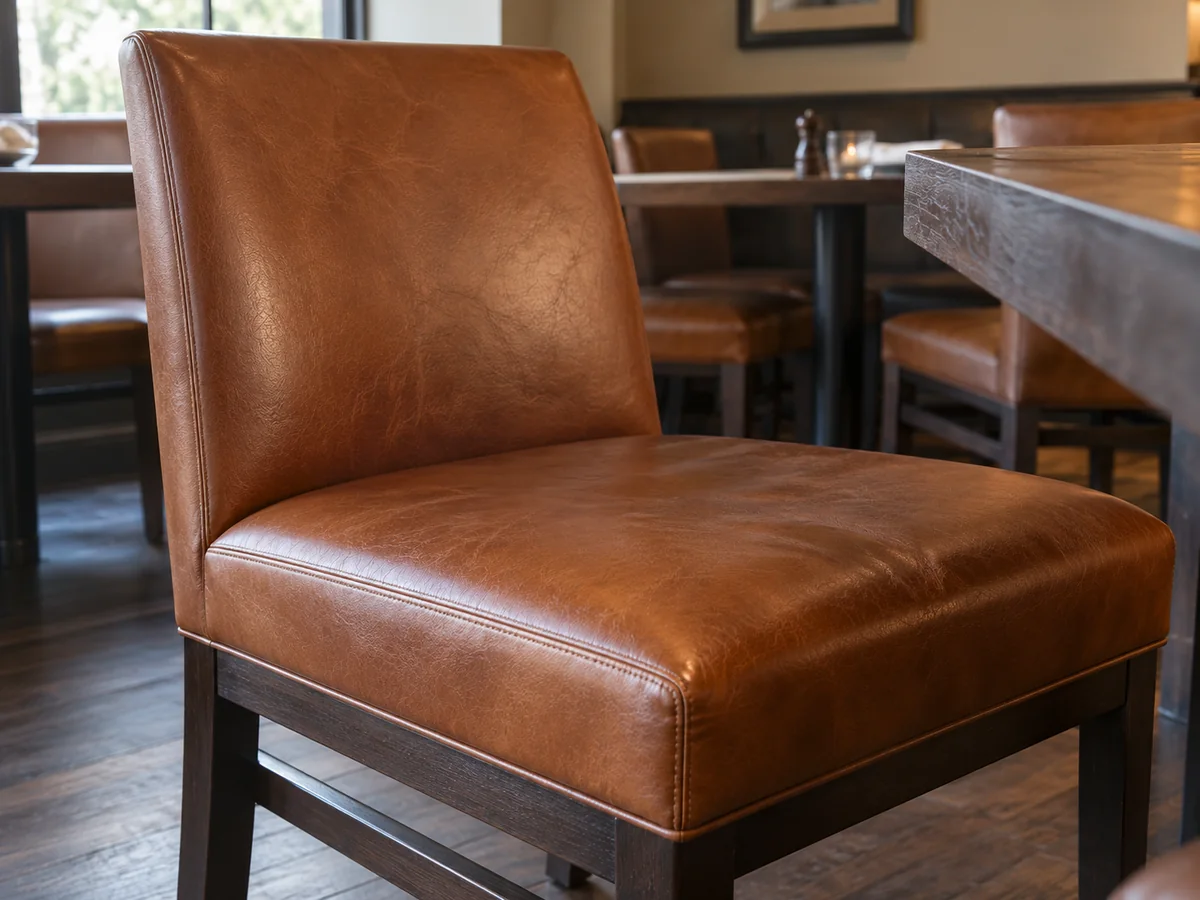
“Full grain” and “top grain” do not tell you the whole care story. Ask how the surface is finished. Leather Naturally’s care guide explains that pigmented finishes protect the surface, while aniline leather absorbs liquids more readily. That difference matters more to spill management than a grain label alone.
Yarwood’s Kensington care guide explains the protection provided by that range’s pigmented surface and warns that unsuitable household solvents can damage its finish. Use the care document for the leather you actually select, rather than transferring a vinyl routine to it.
For leather restaurant chair upholstery, inspect a finished seat for grain variation, seams, edge wrapping and feel. View several approved samples together if you need a very uniform dining room. Natural variation may be attractive, but the acceptable range should be agreed before production.
Also distinguish genuine hide from bonded leather and coated textile. If a quote simply says “leather,” ask for the exact material description. If you mainly want a consistent leather-like look and quick cleaning, compare commercial vinyl samples before paying for genuine leather.
How should you assess PU upholstery?
Assess PU by its specific coating and test results, especially where heat, humidity or frequent chemical cleaning are expected. PU means polyurethane. It is a different material from PVC vinyl, even though both may be sold as faux leather.
Polyurethane coatings can break down after extended exposure to heat and humidity. This process, called hydrolysis, can lead to cracking, flaking or separation of the coating from its backing. The formulation and manufacturing process affect resistance, so “PU” alone is too broad a basis for acceptance or rejection.
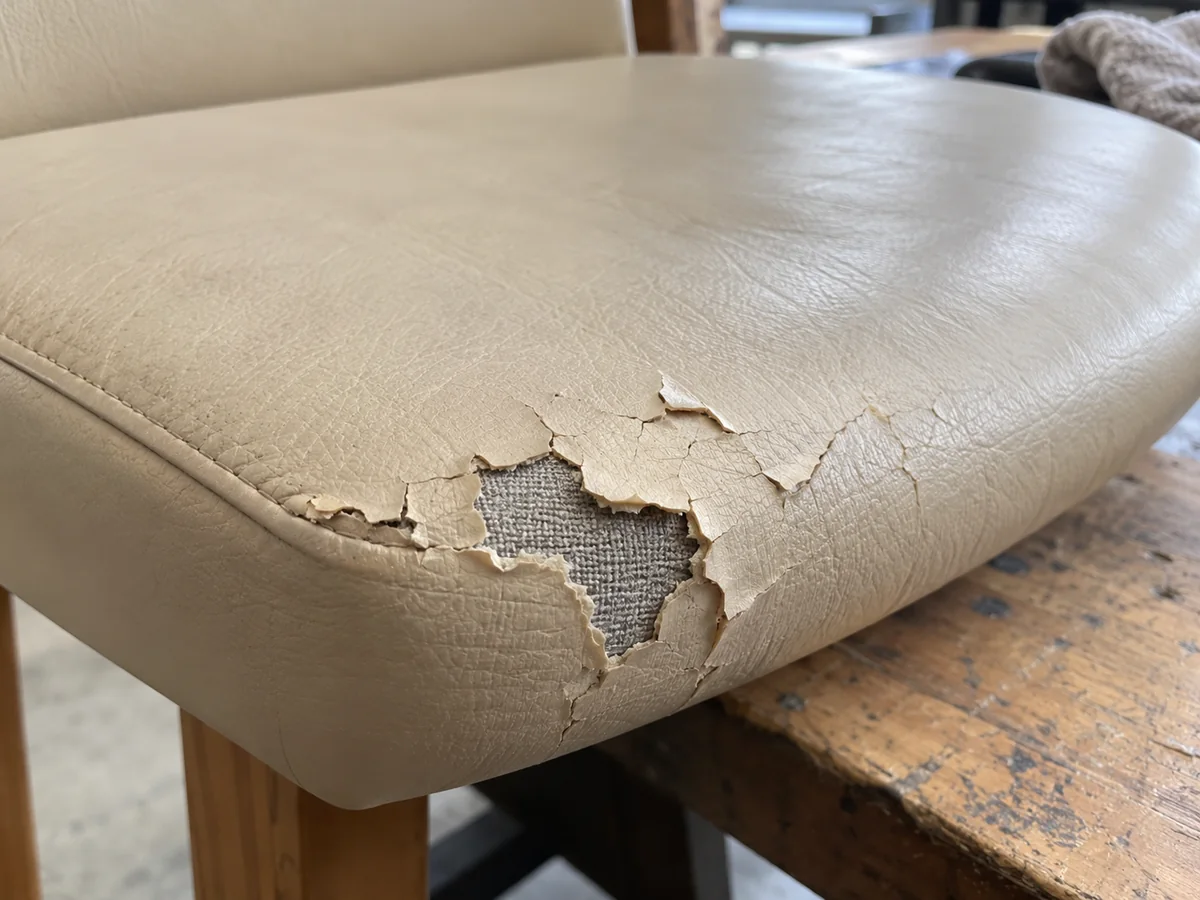
The Association for Contract Textiles’ hydrolysis guidance uses a minimum five-week ISO 1419 Method C result as a voluntary reference for general indoor contract upholstery. Test weeks are not years of service. A report stating ten weeks does not establish a ten-year chair life or warranty.
For a warm, humid venue, request the hydrolysis result for the exact PU code and compare its intended use with your conditions. Check cleaner compatibility separately. If neither is available, keep a documented commercial vinyl or woven option on the shortlist rather than choosing an unidentified PU by touch alone.
If existing chairs are peeling, record where damage appears and which cleaners were used. Chemical damage can resemble hydrolysis. A photograph of peeling does not identify the cause; review the material code, environment and cleaning history before ordering a replacement cover.
What do abrasion ratings actually tell you?
Use abrasion ratings to screen a material for its intended use, then assess the other ways the chair can wear. A high rub count does not predict how long a seat will last, and it does not measure every stress at a curved edge or seam.
ACT publishes these voluntary references for high-traffic indoor upholstery:
| Material and application | Test method | ACT reference |
|---|---|---|
| Woven fabric, high-traffic/public-space indoor upholstery | Wyzenbeek, ASTM D4157, approved cotton-duck abradant | 30,000 double rubs |
| Woven fabric, same application | Martindale, ASTM D4966, 12 kPa | 40,000 cycles |
| Coated fabric, high-traffic/public-space indoor upholstery | Wyzenbeek, ASTM D4157, approved cotton-duck or wire-screen abradant | 50,000 double rubs |
Sources: ACT’s woven-fabric guideline and coated-fabric guideline. These are material-specific voluntary screening references; they are not a worldwide restaurant-chair legal requirement.
Keep the method with the number. Do not convert Martindale cycles into Wyzenbeek double rubs or rank them as one scale. ACT also explains in its abrasion guidance that higher counts do not establish a proportional increase in service life.
For the actual seat, review seam performance, pilling, color transfer, light exposure and cleaning response. For PU, add hydrolysis. If fire-performance documentation is required for the project, obtain the specified evidence for the relevant cover and filling combination. A fabric swatch claim alone does not approve a finished chair.
How can you check samples before a bulk order?
Compare the shortlisted materials with your actual food, cleaners and chair design before approving the order. Use loose swatches to narrow the choice, then a complete sample chair to check seams, fit and sitting comfort.
- Label every sample. Record the supplier, material code, color and cleaning instructions. Keep an untouched sample for comparison.
- Choose representative spills. Use the drinks, sauces and greasy foods your venue serves. Record the amount and time left before cleaning so the comparison is consistent.
- Clean using the proposed routine. Use products and concentrations approved for that material. Record the time and effort needed, rather than only whether the stain disappears.
- Inspect after drying. Compare stain residue, color, sheen, feel and water marks against the unused sample. A wet sample can conceal a change that appears later.
- Try the complete chair. Sit, slide forward, stand and move the chair as guests and staff will. Inspect the front edge, seams, back and pad attachment afterward.
- Agree the next action. A persistent mark calls for another color or material. A changed surface calls for a different compatible cleaner or upholstery. A seam opening calls for a construction change and another sample.
This is a practical project comparison, rather than an abrasion or fire test. Its value is showing whether the material fits your operation. Keep the same relevant conditions when comparing candidates, while using each material’s approved cleaning method.
Set your acceptance points before testing: the stains staff must remove, acceptable appearance afterward, cleaning effort and when the chair must return to service. If fabric needs more drying time than you can allow, choose a wipe-clean seat or arrange spare seats. If vinyl is uncomfortable in a long sitting trial, compare another surface or reconsider fabric.
For the ongoing routine after selection, use our commercial restaurant chair cleaning guide.
Compare replacement costs as well as the first quote
Compare the same number of chairs over the same operating period, including cleaning and replacement work. A lower upholstery price can lose its advantage if cleaning takes longer or replacing one worn seat requires taking the entire chair away.
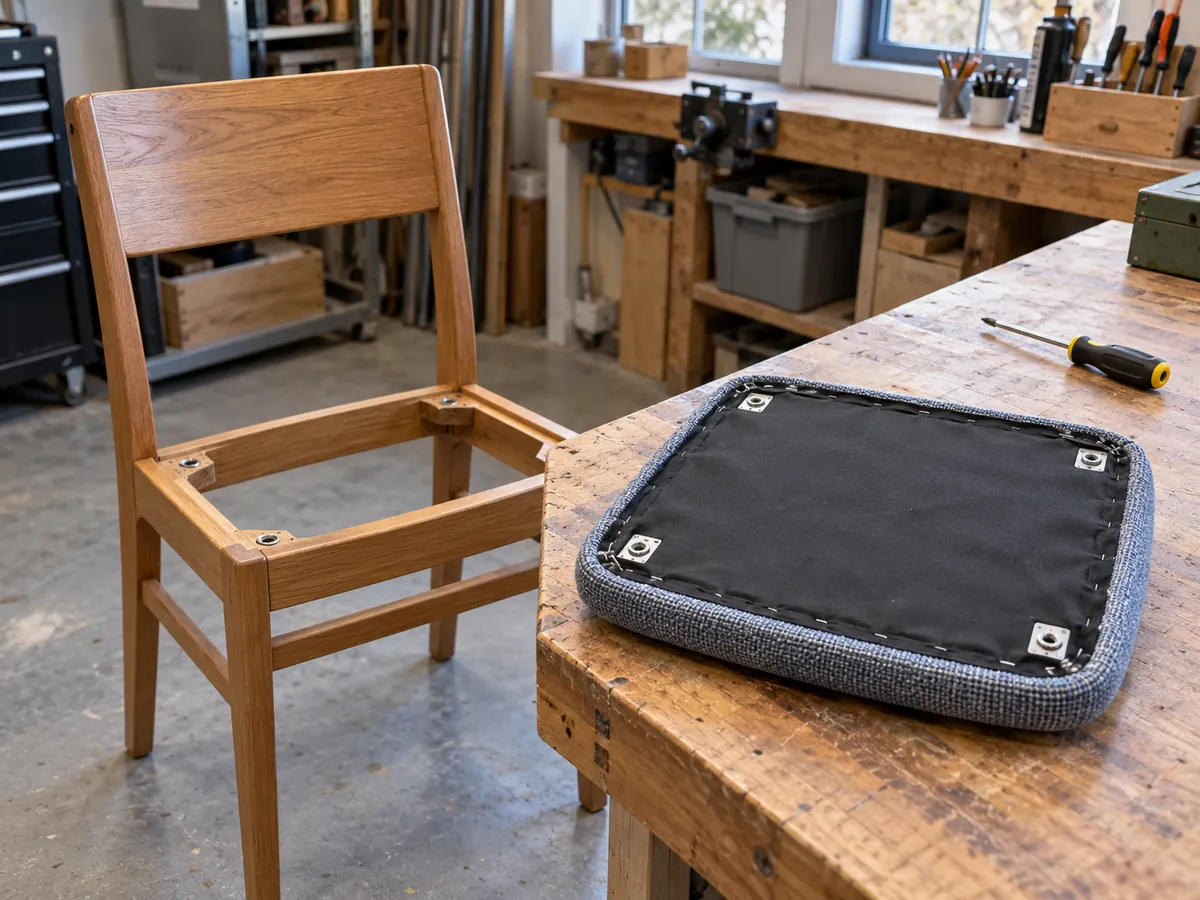
Ask whether the pad can be removed, how its fixings are accessed and whether replacement pads can be ordered to the same specification. Confirm the foam as well as the cover. New fabric over collapsed foam will not restore the original support.
For a refresh, keep sound frames when replacing the seat pad solves the actual problem. If the frame is loose or damaged, assess that repair before spending on new upholstery. For repeat orders, retain the approved material code and physical sample; a color name alone is a weak reference.
When comparing YeZhi’s dining chairs for restaurant projects, shortlist the chair shape and upholstery together. Send us the model, quantity, preferred material, cleaning products and destination market through our contact page. We can discuss the available options for the selected chair.
The best restaurant chair upholstery materials are the ones your team can maintain in daily service. Start with vinyl for frequent spills and wiping, fabric for texture with a workable cleaning routine, and protected leather when its character is part of the brief. Approve a specific PU only after reviewing its coating performance. Then let the cleaned swatches and finished sample chair settle the final choice.
Frequently asked questions
Can we use bleach on every performance fabric?
No. Use bleach only when the exact fabric’s care instructions allow the proposed concentration and method. Also protect nearby materials. A bleach-compatible seat cover does not establish compatibility for the chair’s frame finish, thread, foam or other upholstery.
Does stain-resistant mean the cushion is waterproof?
No. Stain resistance describes a material’s response to staining; it does not establish that the assembled cushion excludes liquid. Check seams and the underside if spills reaching the foam are a concern. A wipeable surface still needs prompt spill removal.
Can we use indoor upholstery on a covered terrace?
Only select it if the supplier specifies suitability for that exposure. A roof does not remove humidity, wind-driven rain or sunlight. Confirm the cover, foam, backing, frame and drying arrangement together; an indoor abrasion result does not answer the outdoor-use question.
How do we match upholstery when adding chairs later?
Keep the exact material and color codes plus a physical approval sample, then compare the new batch before production. If a visible difference remains, replace or add chairs as a deliberate group rather than scattering slightly different seats around the room.
How many years should restaurant chair upholstery last?
There is no reliable single lifespan for a material category. Cleaner exposure, spills, sitting friction, seams and maintenance change the result. Ask for the actual warranty terms and exclusions, and plan repairs from observed condition rather than converting a rub count or hydrolysis result into years.