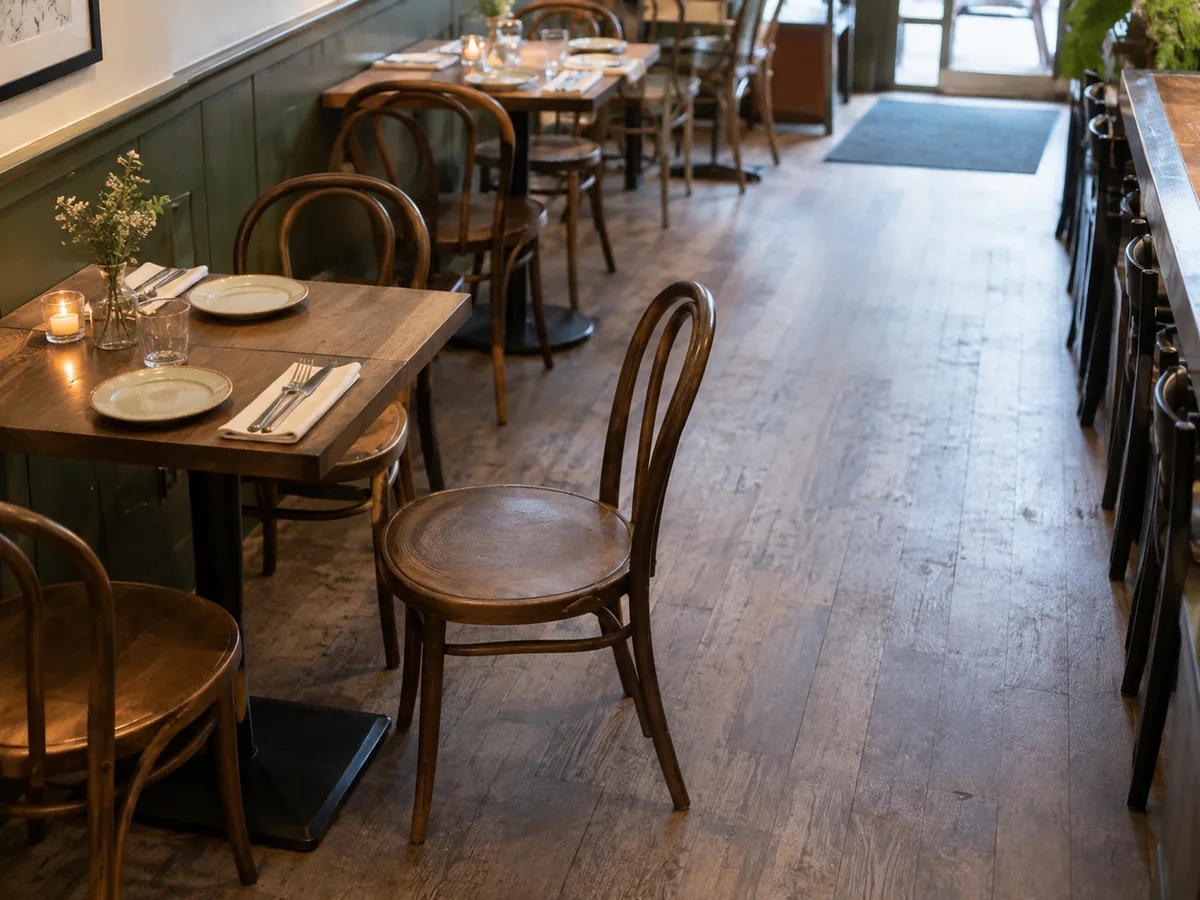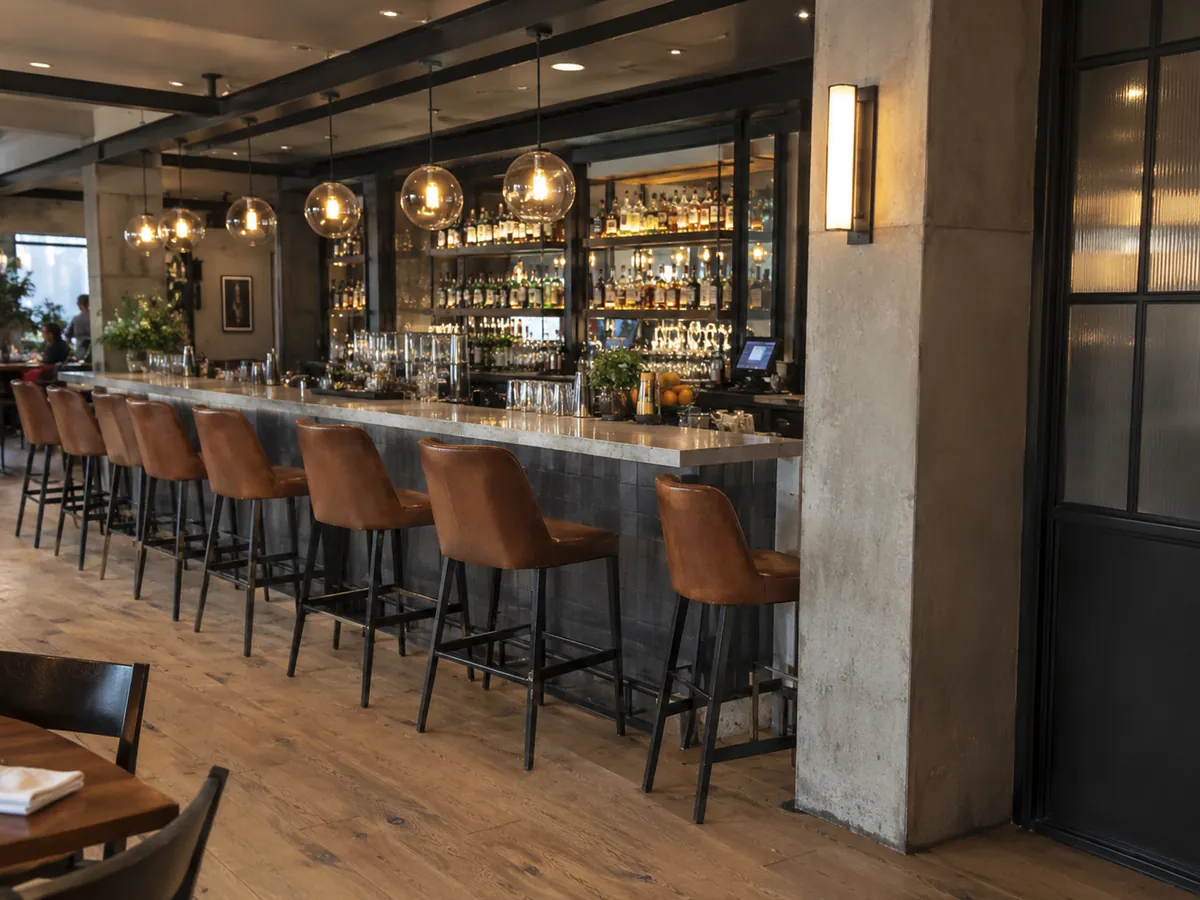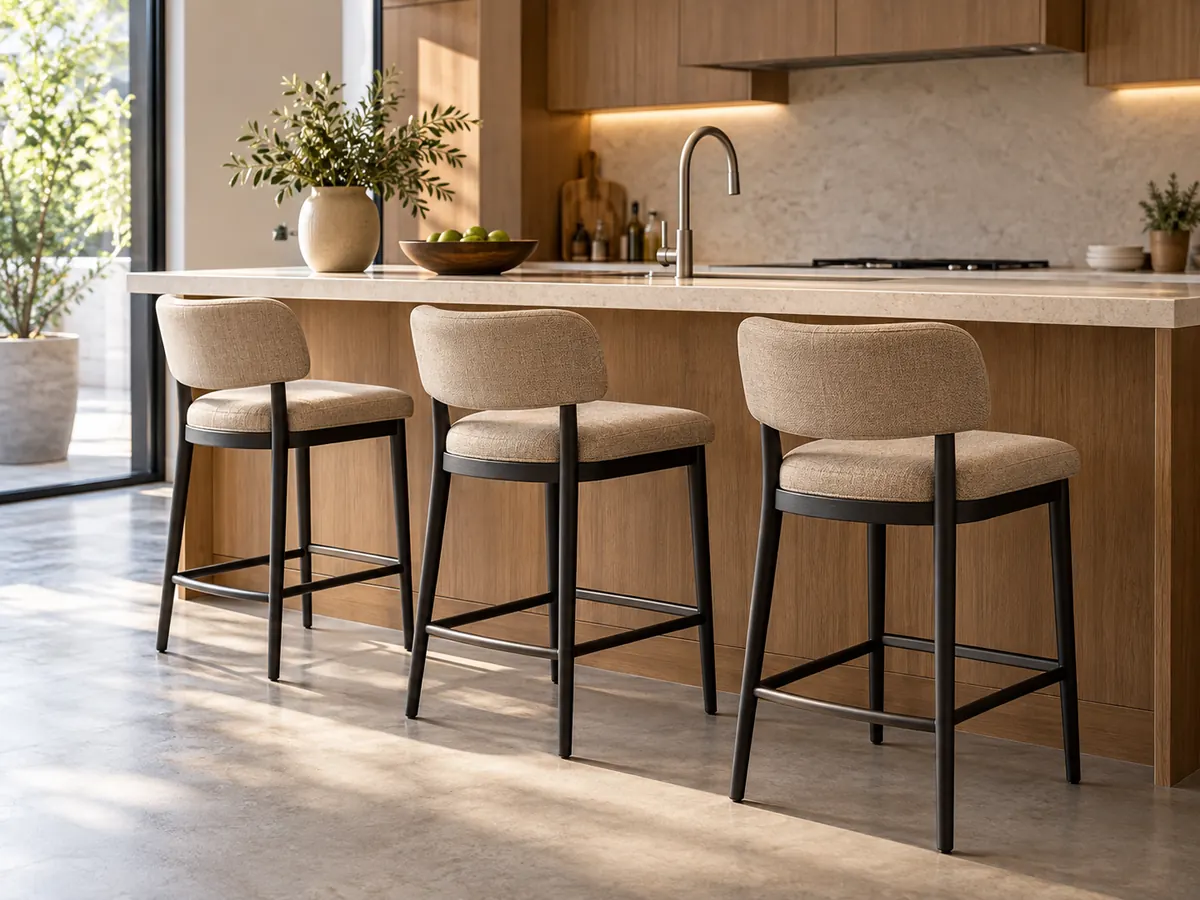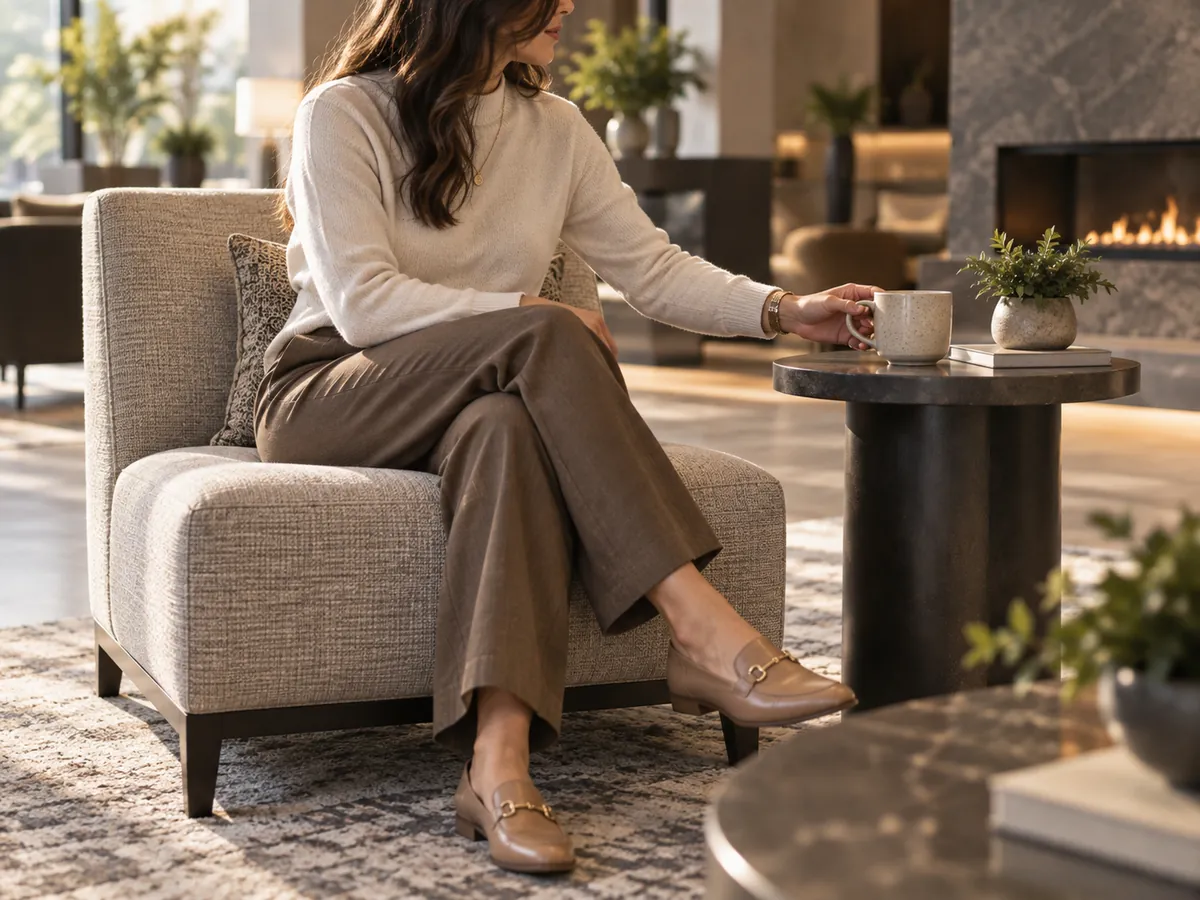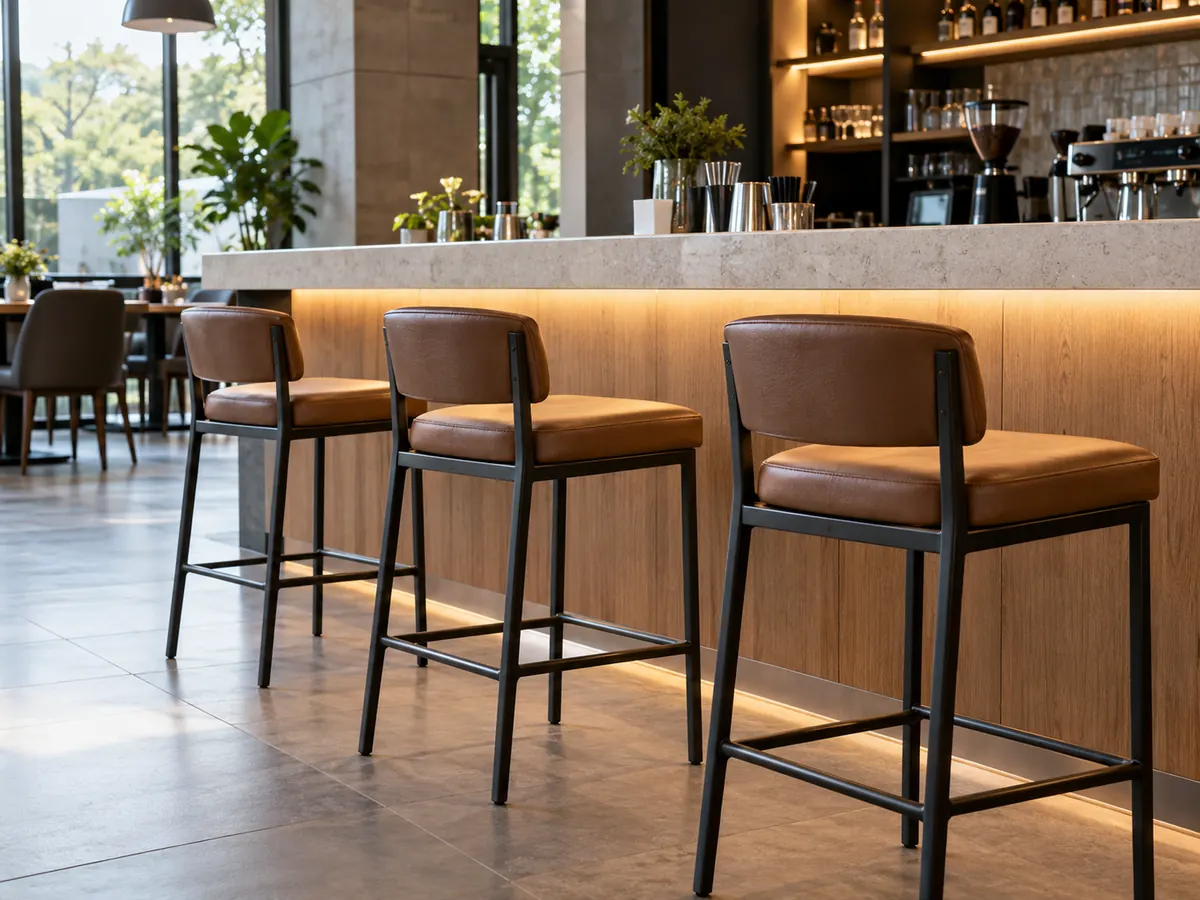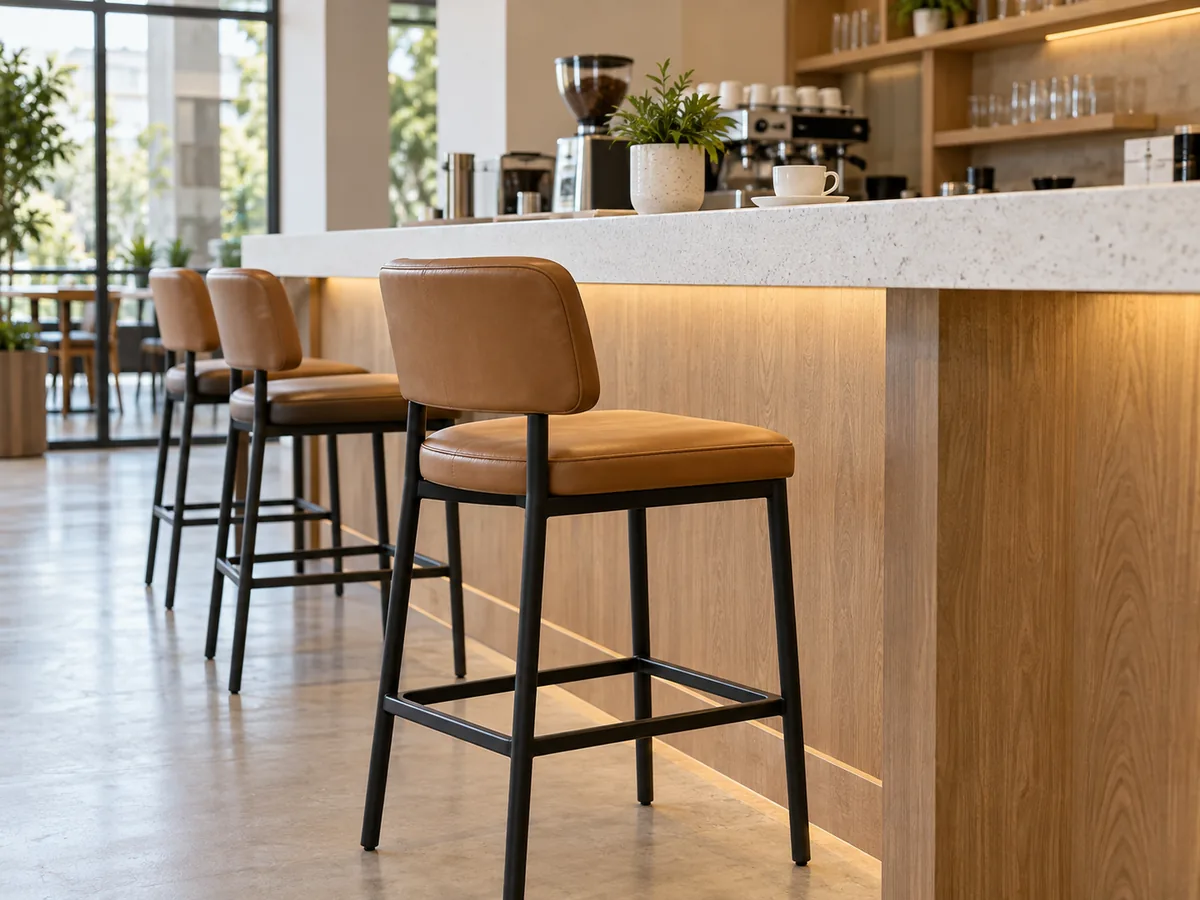
Restaurant tables and chairs do not have to match exactly. But they do need to look coordinated.
If you remember one rule, use this: separate functional compatibility from visual coordination. First, make sure the chair seat height, overall width, arm height, and pulled-out footprint work with the table and layout. Then repeat at least one visual anchor, such as the wood tone, metal finish, upholstery color, silhouette, or visual weight. This allows different chair models to look intentional without compromising comfort or circulation.
This guide is written for commercial spaces, not home dining rooms. A restaurant that mixes 60 chairs has to think about reorder batches, cleaning, traffic flow, and long-term replacement, not just aesthetics.
If you’re looking for how to match restaurant chairs and tables in a way that holds up under commercial use, start with the framework below.
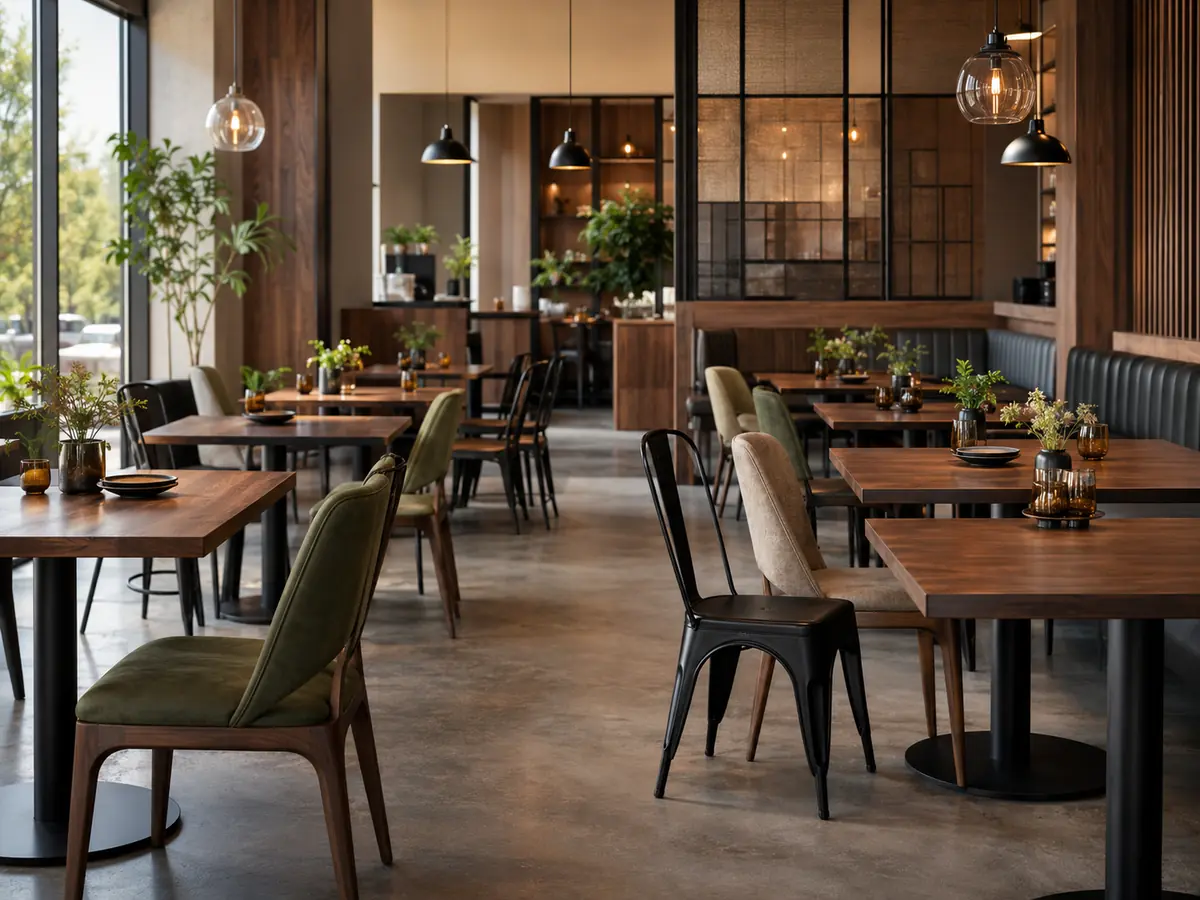
Do restaurant tables and chairs have to match?
No. Matching matters less than coordination.
A coordinated set looks designed because it repeats a few cues the eye can track: similar proportions, a controlled finish palette, and a consistent “visual language.” That approach aligns with the way commercial specifiers evaluate tables and chairs, where proportion, finish, and function are treated as one system, not separate decisions (see Vcus’ guide on matching restaurant chairs and tables).
How to match restaurant chairs and tables: a simple framework
“Mix and match” fails when everything changes at once. It succeeds when one or two things repeat on purpose.
Here are the safest anchors for commercial projects:
Functional check 1: seat height and table clearance
Seat height is primarily a fit requirement, not a visual anchor. Chairs used with the same dining-height tables should place guests at a reasonably consistent level and leave enough room below the tabletop or apron.
An approximately 18-inch seat paired with a 30-inch table is a common commercial starting point. However, approve the combination by measuring from the top of the seat to the lowest obstruction under the table, not by nominal table height alone. A practical target is around 10–12 inches (25–30 cm), but upholstery compression, seat slope and apron depth can change the actual fit.
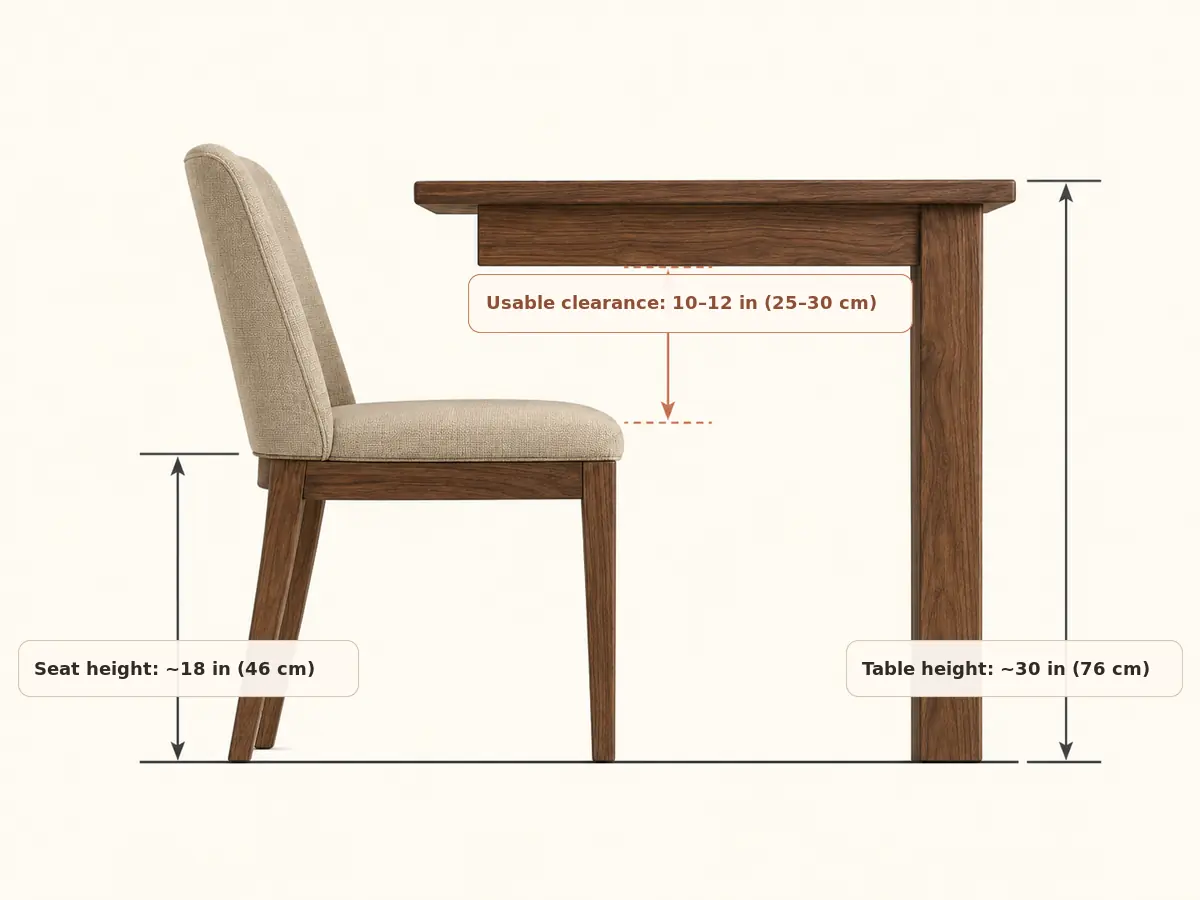
Key Takeaway: Confirm chair-to-table fit first; use finish, color, silhouette or visual weight to create visual coordination.
Anchor option 2: finish family (wood tone, stain, metal color)
If you want “mismatched restaurant chairs” without the thrift-store vibe, keep your finishes on a tight leash.
Practical rules buyers use:
Choose one dominant wood tone (for example, walnut) and one dominant metal finish (for example, black powder coat).
Keep sheen consistent (matte with matte, satin with satin).
If you want a contrast, make it a planned contrast, like light tabletops with dark chairs, repeated across zones.
Anchor option 3: silhouette language
You can mix chair models if they share a design vocabulary.
A practical way to test the combination is to ask whether the table and chairs repeat one element, balance one element, and vary only one or two elements.
Walnut tabletops + black metal chairs: the repeated dark palette creates continuity while the materials contrast.
Light oak tables + upholstered chairs with light timber legs: the leg finish connects the pieces even though the seat material changes.
Round pedestal tables + curved-back chairs: the repeated curved geometry creates a shared silhouette language.
These are pairing examples, not fixed design rules. Final approval should still consider the restaurant concept, lighting, floor finish and service requirements.
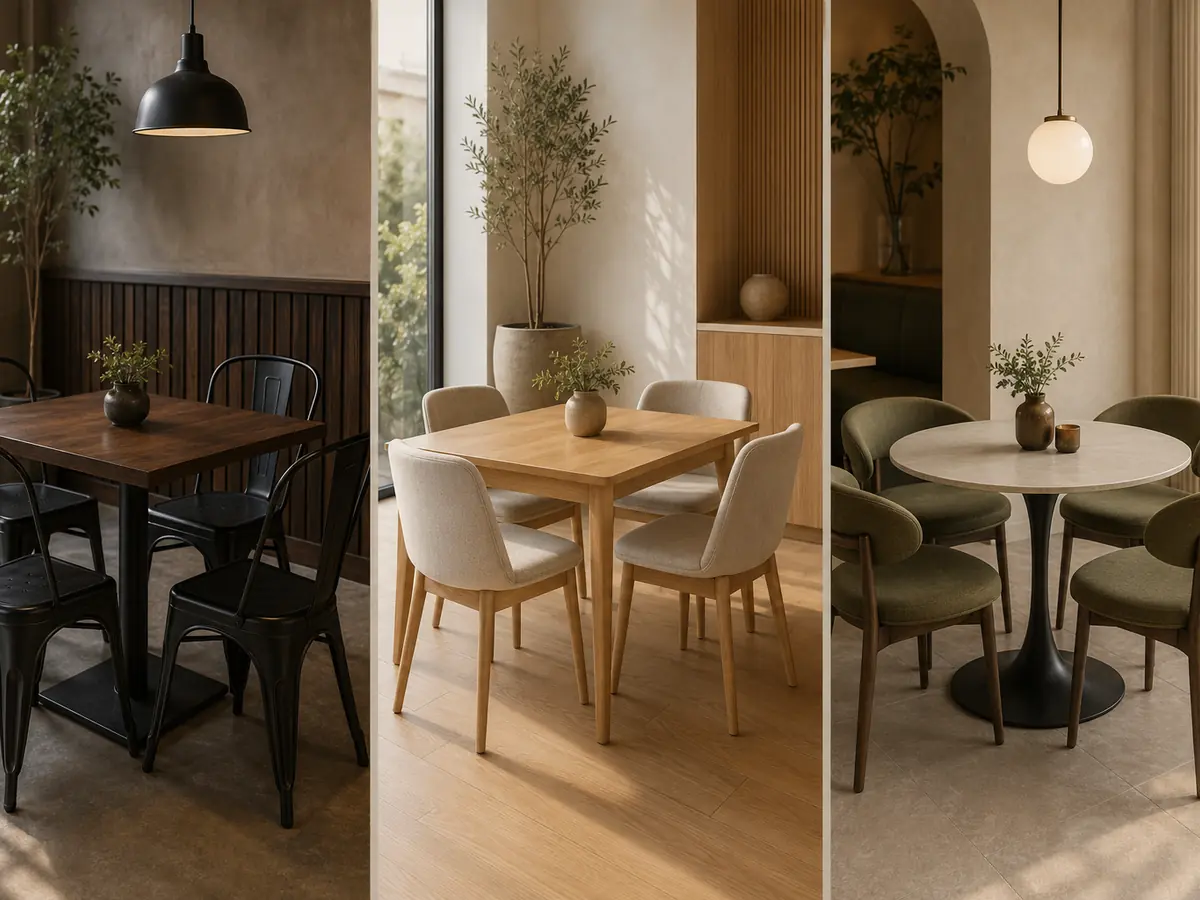
Examples of compatible mixes:
curved backs across different chair frames
slim legs across both tables and chairs
squared, architectural profiles throughout
Anchor option 4: visual weight
Visual weight is what a piece “feels like” at a glance. Upholstered seating reads heavier than an open-back wood chair. A thick table top reads heavier than a thin laminate top.
A common random-looking combination is a visually heavy table with very delicate chairs, or the reverse. The fix is not to make everything identical. The fix is to balance the room on purpose, which is part of the “visual language” principle commercial designers use (again, Vcus’ guide on matching restaurant chairs and tables).
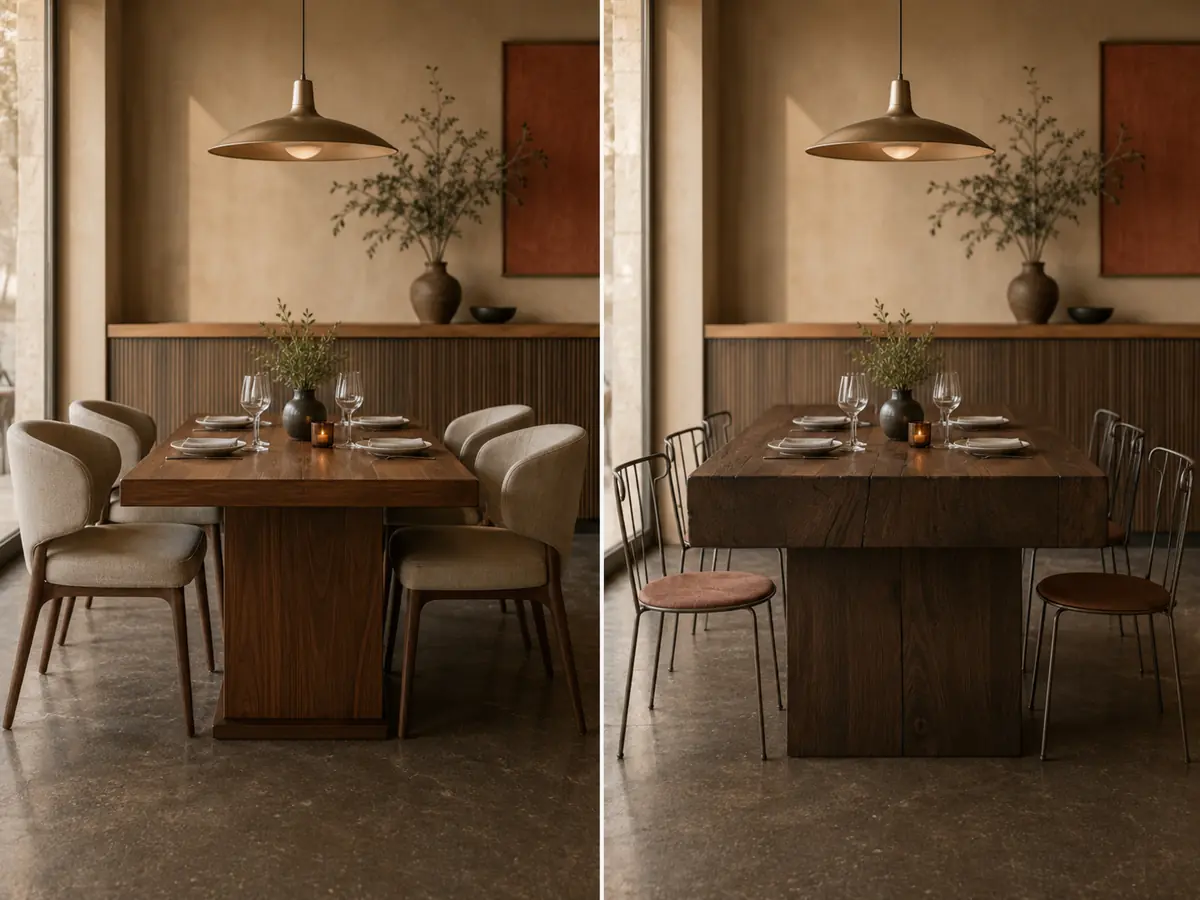
What should match vs. what can contrast (commercial-friendly table)
Use this as a quick decision framework for restaurant table and chair combinations.
Element | Should it match? | Why it matters in restaurants | Safe ways to contrast |
|---|---|---|---|
Seat height + table height | Yes | Comfort + posture + easy service | Mix silhouettes only after heights match |
Overall scale (chair width, table footprint) | Mostly | Affects aisle comfort and density | Use wider “feature” chairs only in low-traffic zones |
Finish palette (wood/metal) | Mostly | Keeps the room cohesive, helps replacement | Add 1 accent finish in one zone only |
Upholstery vs. non-upholstery | It depends | Cleaning time and wear differ by zone | Upholster perimeter/banquettes, use easy-clean chairs in the core |
Chair style count | Limit | Too many models reads random and complicates reorders | 1 chair style per zone, not per table |
Table shapes (square/round/rect.) | It depends | Supports different party sizes and flow | Mix shapes while keeping table tops consistent |
Fit checks that matter more than style
A restaurant can survive a bold mix. It cannot survive uncomfortable seating and cramped circulation.
1) Keep usable clearance under the table
A common comfort guideline is to leave about 10–12 inches between the seat and the underside of the table so knees have room (see Grand Rapids Chair’s restaurant chair height and spacing guidelines).
If you are mixing chair models, confirm this with the thickest seat option you plan to use.
2) Don’t let chair width break your seating math
Commercial chair widths vary a lot. Mixing in bulkier chairs can quietly reduce capacity or create bottlenecks when chairs are pulled out.
Grand Rapids Chair also notes practical per-diner spacing guidance, and that the numbers change with venue type (casual vs. fine dining) (see Grand Rapids Chair’s restaurant chair height and spacing guidelines).
3) Check the “pulled-out footprint,” not the pushed-in footprint
Restaurants fail the mix-and-match test when the room looks fine in renderings but breaks in real service.
When you plan layouts, mark chair footprints in the pulled-out position and validate the main circulation paths, as commercial spec guidance emphasizes (see rd+d’s “Get Granular” on specifying restaurant tables and chairs).
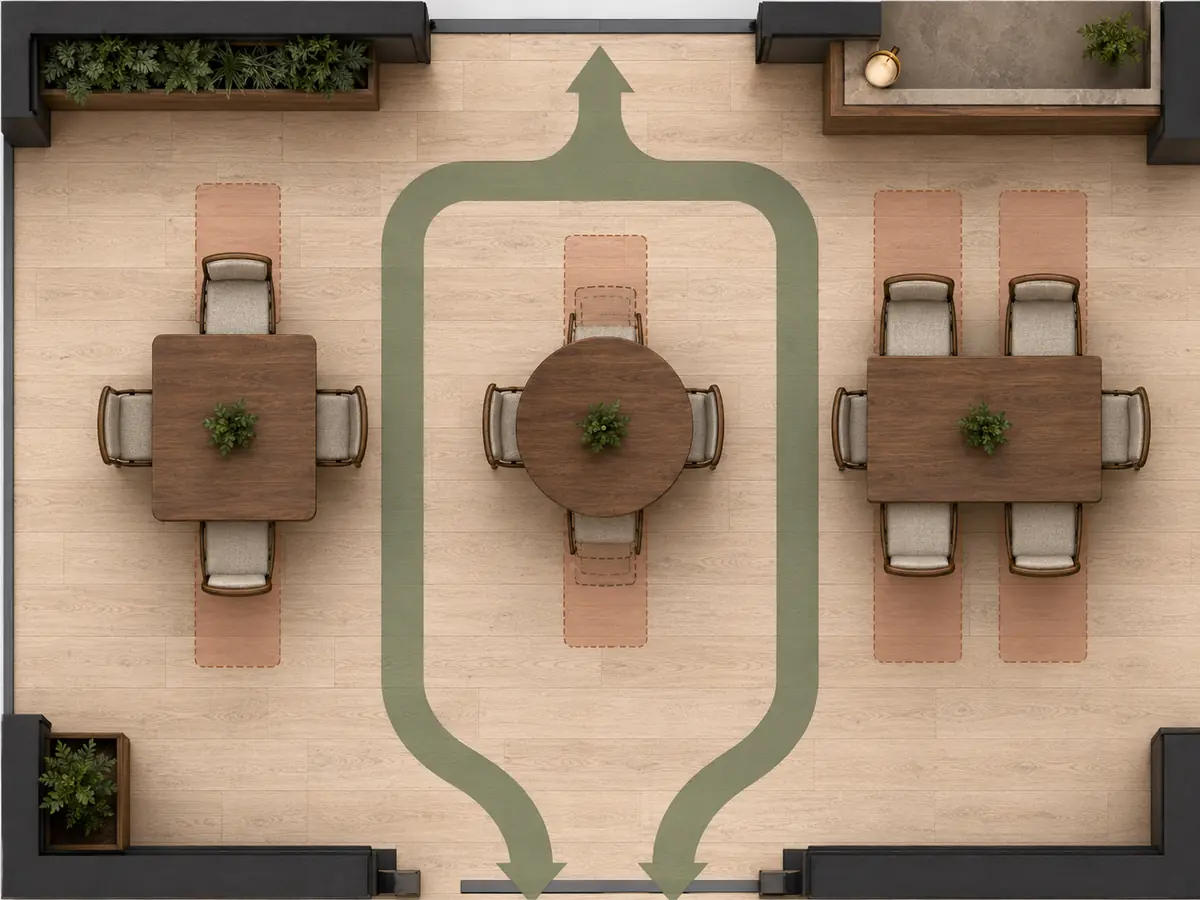
Zone your mix instead of mixing everything everywhere
The fastest way to make a mixed furniture plan feel intentional is to mix by function.
Here is a reliable zoning approach for restaurant furniture combinations:
Zone 1: main dining floor (the “system zone”)
Keep chairs mostly consistent.
Use the most durable, easy-to-clean combination.
Prioritize stackability or easy movement if your layout changes often.
When comparing options in YeZhi’s restaurant chairs collection, filter candidates by seat height, overall width, finish family, stackability and cleaning requirements before comparing style.
Zone 2: bar or high-top zone (the “height zone”)
Keep stool height consistent within the zone.
Use a tighter palette so the vertical height change feels purposeful.
Zone 3: lounge, banquette, perimeter seating (the “comfort zone”)
Upholstery usually makes sense here.
This is the best place to introduce a second chair style without making the room look random.
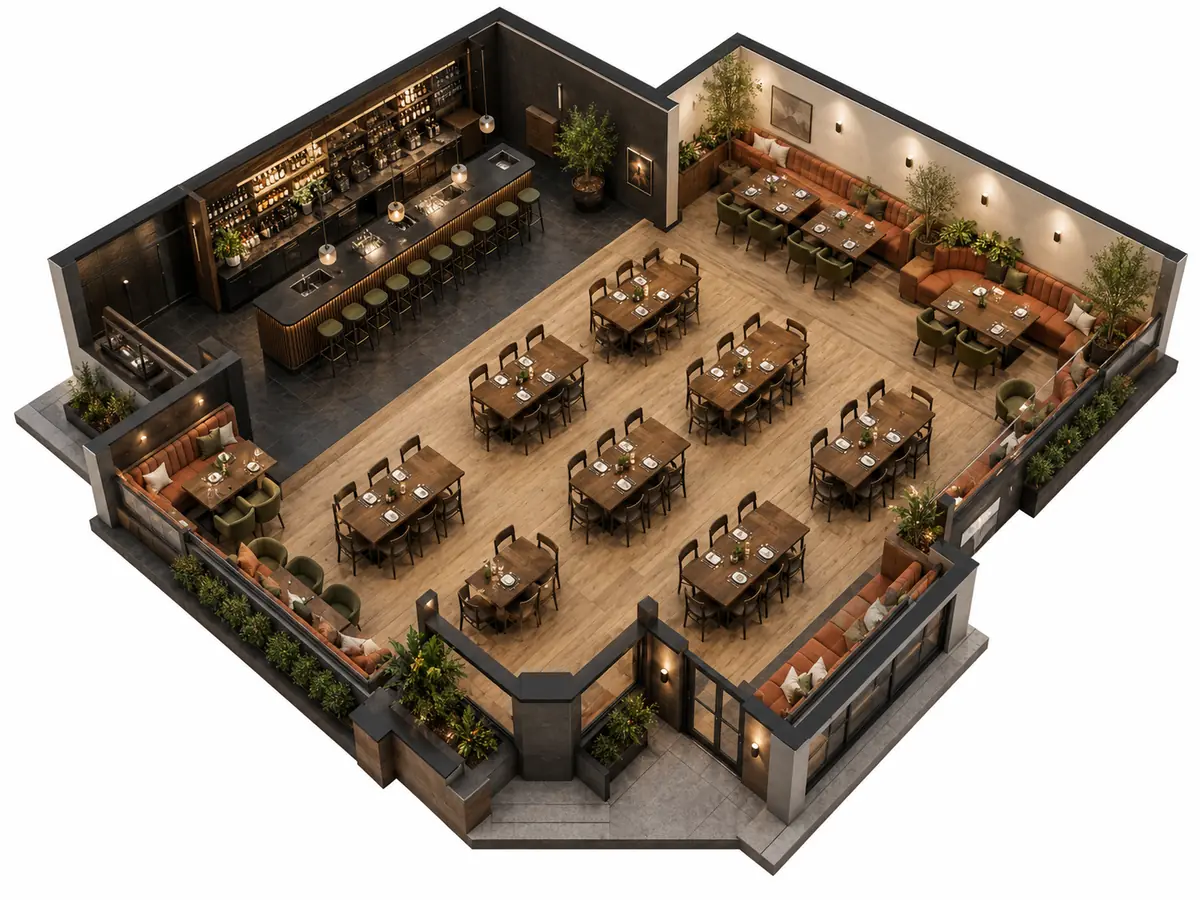
If you’re building a café-forward assortment (chairs, stools, and project seating), YeZhi’s cafe furniture hub is a useful reference point.
How many chair styles can you mix in a restaurant?
There is no universal number of chair styles that works for every restaurant. A more reliable approach is to give each functional zone one identifiable seating system.
Before adding another chair model, ask:
Does it serve a different function or guest experience?
Does it repeat at least one finish, color, proportion or silhouette?
Can replacement units be added without creating a visible mismatch?
Does the additional SKU justify separate samples, spare parts and cleaning instructions?
If the answer is no, the additional model is probably adding procurement complexity rather than useful visual variation.
The commercial realities most design posts skip
Mixing seating is a design decision and a sourcing decision.
Commercial spec thinking emphasizes operational performance as part of specifying tables and chairs, including comfort, maintenance, and long-term use (see rd+d’s “Get Granular” on specifying restaurant tables and chairs).
Here is what to plan for before you place a mixed order:
1) Batch consistency and finish control
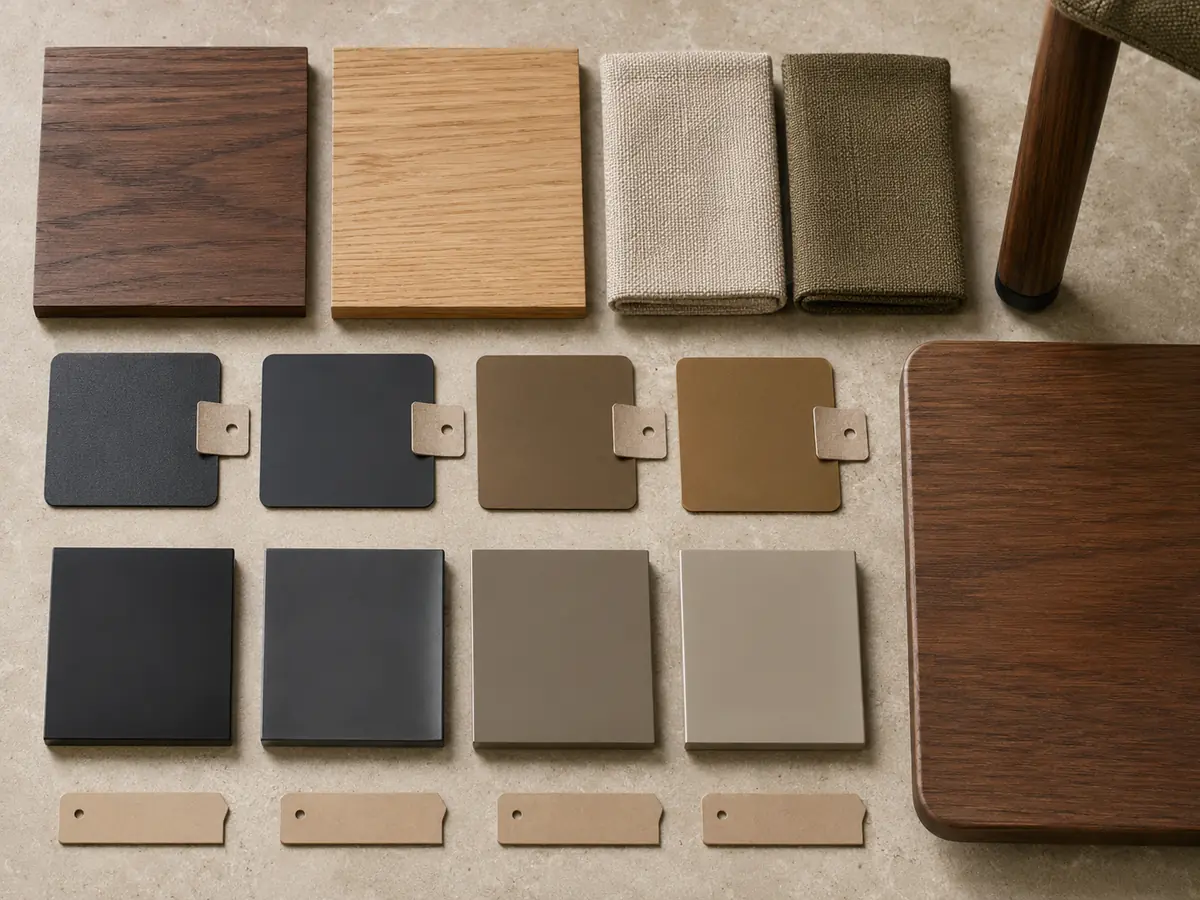
If you plan multiple chair models, keep them inside the same finish family and lock the key variables early:
stain color reference
paint color code
sheen target
upholstery swatch
This is the difference between an “intentional mismatched” look and an obvious backorder replacement.
2) Replenishment strategy (60 chairs is not 6 chairs)
Restaurants replace seating over time. If you mix three chair models evenly across the floor, any partial replacement will stand out.
A safer strategy is to:
pick one core chair that is easiest to reorder
keep the “accent chair” model limited to a zone, so replacements stay contained
For buyers doing chair-table fit checks, YeZhi’s guide on dining chair height can help standardize specs when multiple SKUs are involved.
3) Cleaning speed and durability need to match the zone
If one chair is upholstery-heavy and the other is wipe-clean, your cleaning routine will favor one and punish the other.
Commercial guidance regularly calls out that restaurants should prioritize commercial-grade durability and serviceability, not residential construction (see MityLite’s checklist for durable restaurant seating and Superior Seating’s guide to selecting long-lasting restaurant furniture).
Replacing chairs without changing tables (a checklist)
If you already have tables and want to refresh the look by changing only chairs, use this checklist.
Measure table height and the underside clearance (apron, supports).
Confirm target seat height and the seat-to-table gap.
Check table base and leg interference (chair arms, chair legs, glide positions).
Test the pulled-out footprint in your real aisle widths.
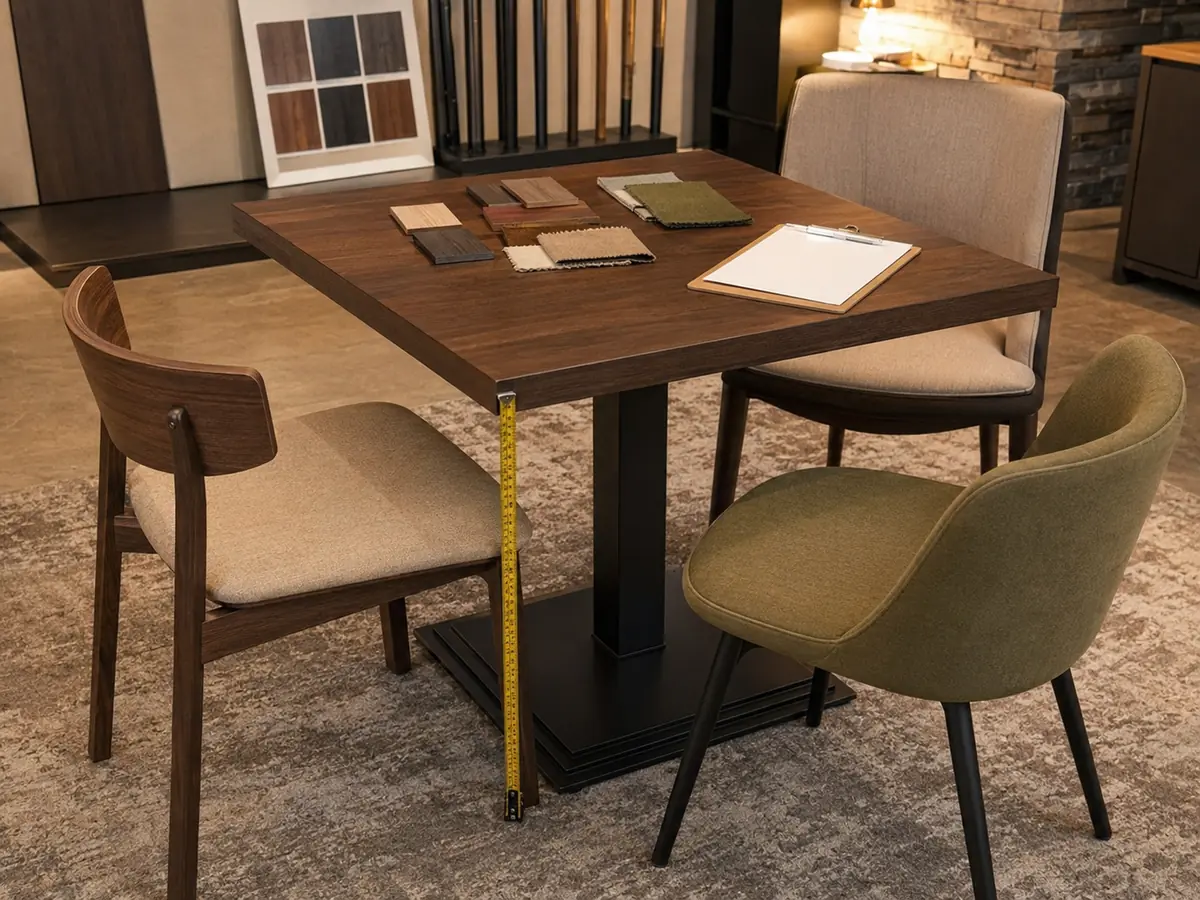
Before approving a mixed order, build a physical sample set with one table, the core chair and every proposed accent chair. Review it under the venue’s actual lighting and record:
seat-to-apron clearance;
overall chair width and pulled-out depth;
stain, paint or powder-coat reference;
upholstery swatch and sheen;
table-base, chair-leg and floor-glide interference.
Do not approve finish compatibility from screen images alone. Lighting, timber grain, coating sheen and production batches can change how closely two finishes appear to match.

Concept illustration: review the real table and every proposed chair together under the venue’s actual lighting. Pick one anchor (finish family or silhouette) to keep consistency.
Limit chair styles to one per zone.
For spacing planning, YeZhi’s space between dining chairs guide is a useful companion.
Common mistakes that make mismatched restaurant chairs look cheap
These are the patterns that turn “mix and match restaurant tables and chairs” into “random.”
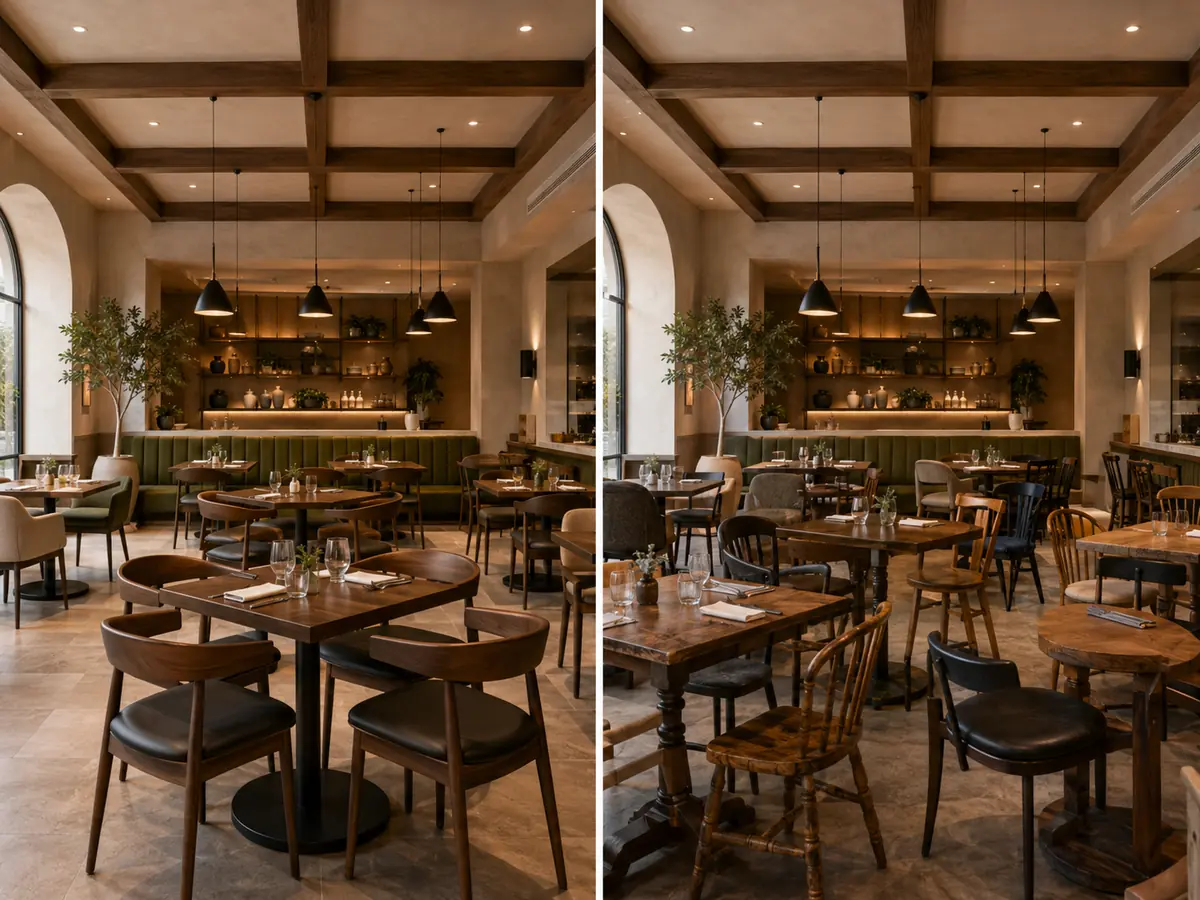
Mixing seat heights at the same table.
Using too many chair styles in the same zone.
Letting wood tones drift (three stains, three sheens, no repeats).
Pairing heavy tables with very delicate chairs, or delicate tables with bulky chairs.
Mixing durability levels (wobbly chairs next to rock-solid tables).
The durability mismatch matters because wear becomes visible fast in high-traffic dining rooms (see Superior Seating’s guide to selecting long-lasting restaurant furniture).
FAQ
Can restaurants use mismatched chairs?
Yes, if the mismatch is intentional. Keep seat height consistent and repeat at least one anchor (finish, wood tone, silhouette, or visual weight). Then keep the mix contained by zone so replacement does not create a patchwork.
Should restaurant chairs match the tabletop or the table base?
Match the most visually dominant element. If tabletops are the strongest visual cue, keep chairs in the same finish family as the tops. If the base is heavy and prominent (like a thick pedestal), coordinate chair legs and the base finish so the lower half of the room feels coherent.
Can you mix wood and metal chairs in a restaurant?
Yes. The easiest way is to control the finish palette. Use one wood tone and one metal finish, then repeat both across the room so the mix reads as a system.
What’s the fastest way to spec chair-table fit across multiple SKUs?
Standardize measurements first (table height, target seat height, and underside clearance). Then group furniture into zones. It is easier to keep one standard for the main dining floor and a separate standard for bar-height or lounge areas.
Next step (if you’re sourcing for a project)
If you’re building a commercial seating assortment or quoting a hospitality project, start by choosing your chair “core SKU,” then layer in one accent chair per zone. You can browse YeZhi’s restaurant chairs collection to shortlist commercial styles, then use the fit and zoning framework above to keep the mix intentional.