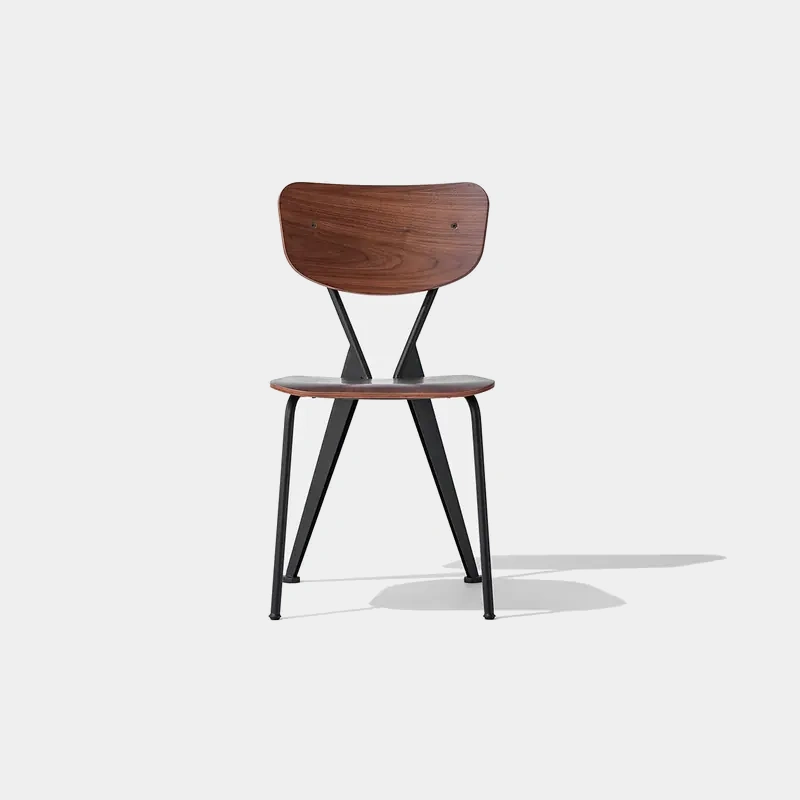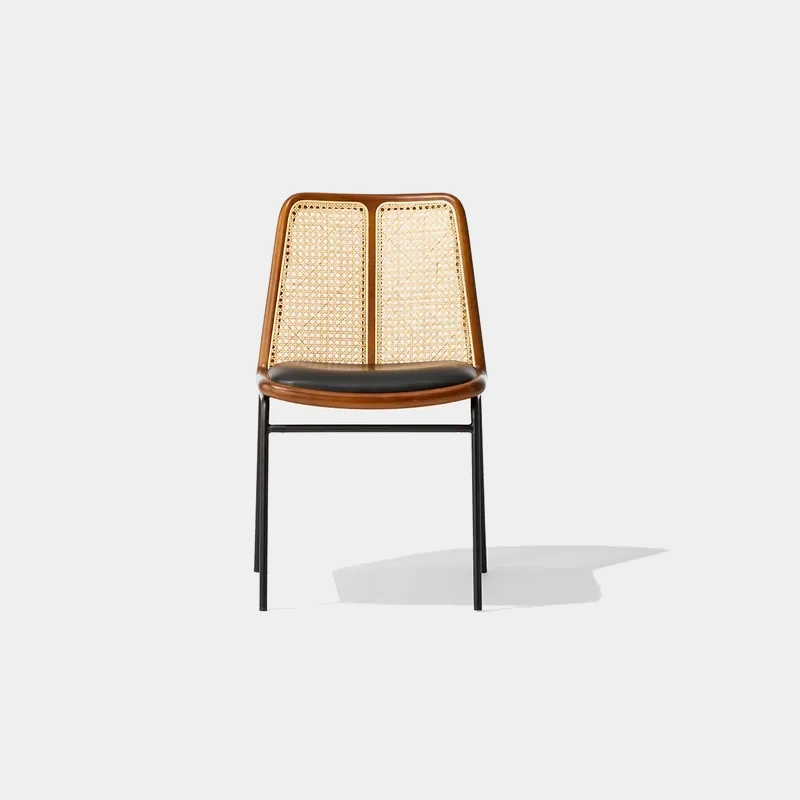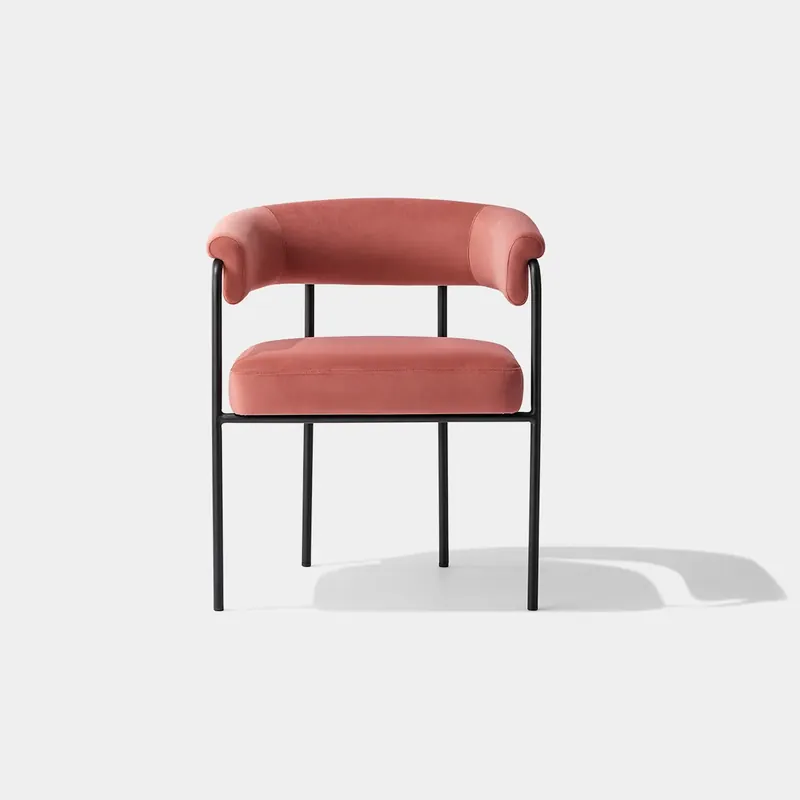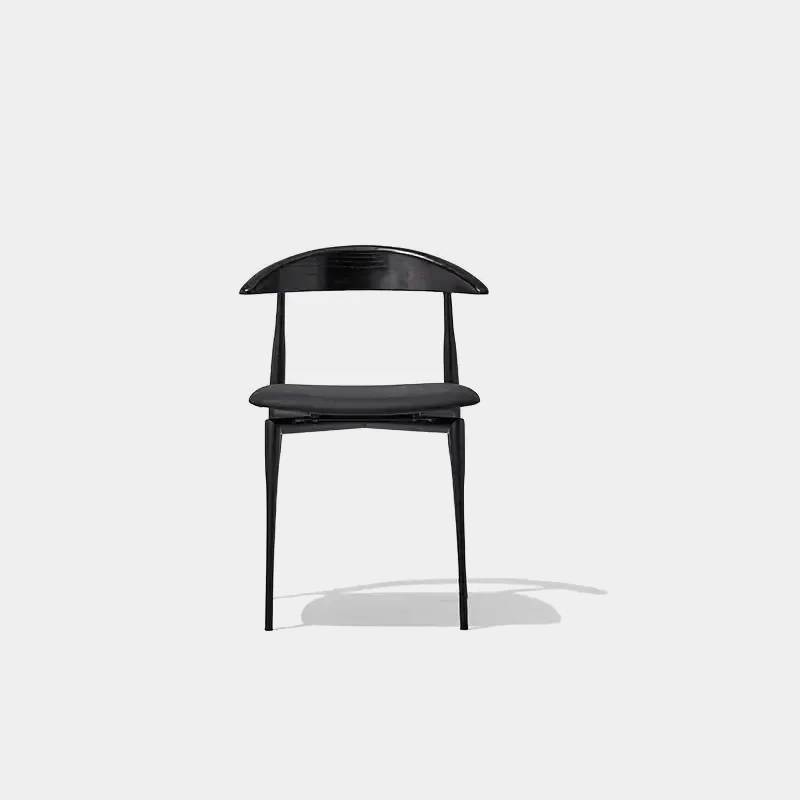
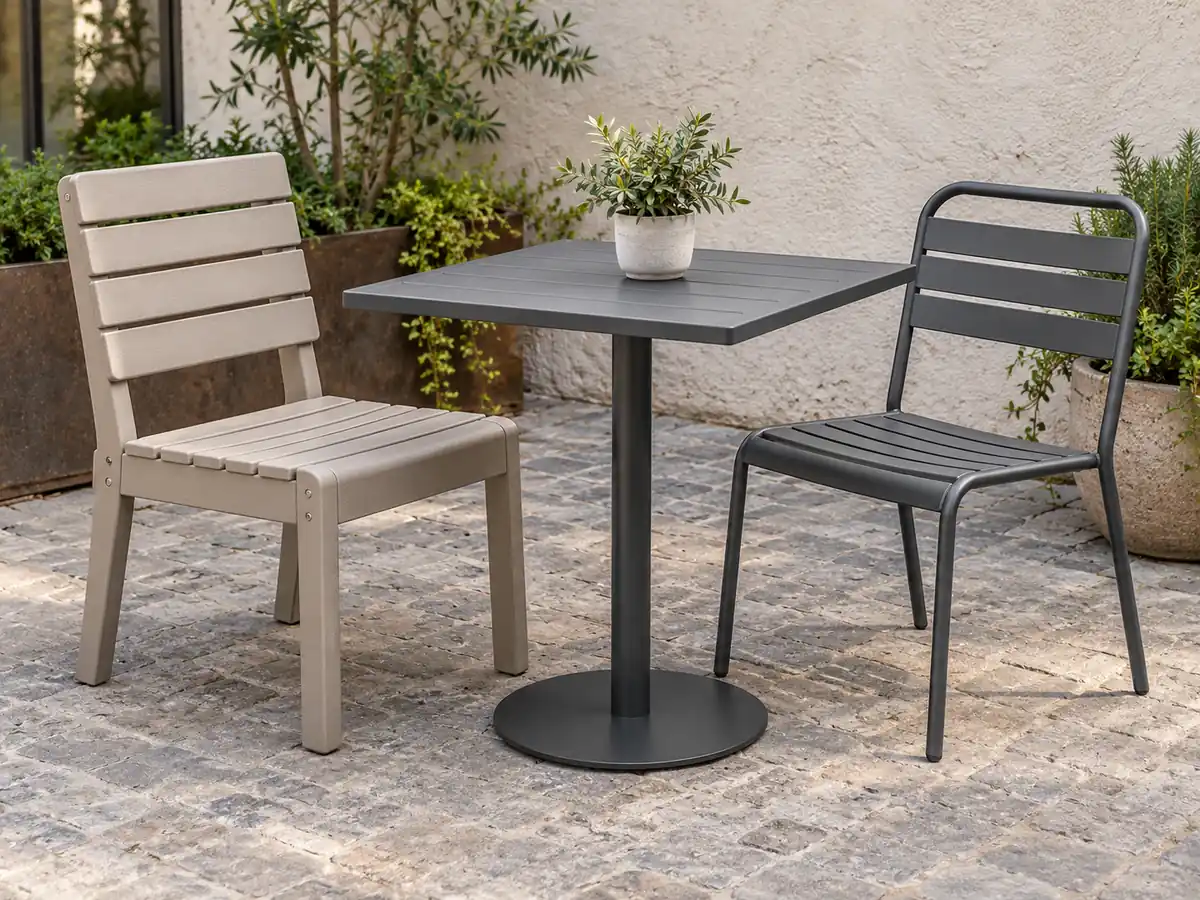
For a restaurant patio that staff rearrange or stack every day, start with aluminum chairs. Choose HDPE outdoor furniture when chairs stay in place more often and you want to avoid maintaining a painted seat or back. Both need cleaning, both can become hot in direct sun, and either can develop loose or damaged parts.
The repair difference matters. A damaged HDPE slat may be replaceable if the chair was designed for it. An aluminum coating can often receive a small touch-up, while a cracked frame needs a separate repair decision. Choose around the work your team will actually do: washing, moving, storing and replacing worn parts.
HDPE vs aluminum outdoor chairs at a glance
HDPE removes the need to maintain a metal coating on the plastic parts; aluminum often makes daily handling easier. Compare complete dining chairs with similar size and comfort, rather than a heavy HDPE lounge chair against a small aluminum café chair.
| Daily concern | Solid HDPE chair | Powder-coated aluminum chair |
|---|---|---|
| Routine cleaning | Mild soap, water and a soft cloth or brush | Mild soap, water and a soft cloth or sponge; protect the finish |
| Strong sun | Outdoor resin formulation and pigments affect weathering | Exterior coating quality affects color and surface weathering |
| Hot seats | Can become hot, especially in dark colors | Can become hot; color, shade and seat construction matter |
| Small surface damage | No paint film to chip on uncoated, through-colored parts; gouges still show | Coating can scratch or chip at impacts and stacking contacts |
| Repair options | Replacement slats or components, where available | Finish touch-up, replacement glides or parts; structural damage assessed separately |
| Moving and storage | Substantial lumber-style chairs can be cumbersome | Lightweight, stackable designs are useful for frequent resets |
| Salt exposure | Plastic parts do not suffer metal corrosion; fasteners still need attention | Finish, joints, fasteners and salt removal remain important |
HDPE means high-density polyethylene, a type of plastic. Furniture may use thick boards, molded components or woven strips. This comparison focuses on solid HDPE seating versus aluminum frames with a powder-coated finish—a baked-on protective coating.
Read the seat and frame specifications separately. An aluminum chair can have HDPE slats, fabric or another seat material. “Poly lumber” also needs clarification: some products use high-density polystyrene, or HDPS. They are not all the same plastic, and a care method for one product may not suit another.
How should you clean HDPE and aluminum chairs?
Start both with loose-dirt removal, mild soap, a soft cleaning tool and a clean-water rinse. The main difference appears with stubborn stains: HDPE cleaners must suit the resin and any fittings, while aluminum cleaners must preserve the coating.
Daily cleaning for both materials
- Move the chair into shade and let hot surfaces cool. Remove cushions and brush or rinse away sand and grit before wiping.
- Mix mild dish soap with warm water. Wipe the seat, back and arms, then clean the underside, joints and feet. Use a soft brush for suitable HDPE textures; use a soft cloth or sponge on coated aluminum.
- Work food residue out of seams without scraping with a blade or wire brush. A small soft brush helps reach the gaps between slats.
- Rinse away the cleaner. Towel-dry coated aluminum, clear trapped water and let the chair dry before storing or adding cushions.
- Check that the seat is clean, dry and free of slippery residue before returning it to service.
Keep the underside in the routine. A clean seat can hide food deposits around fasteners or dirt packed into glides. Replace missing foot caps so the frame does not repeatedly scrape the floor.
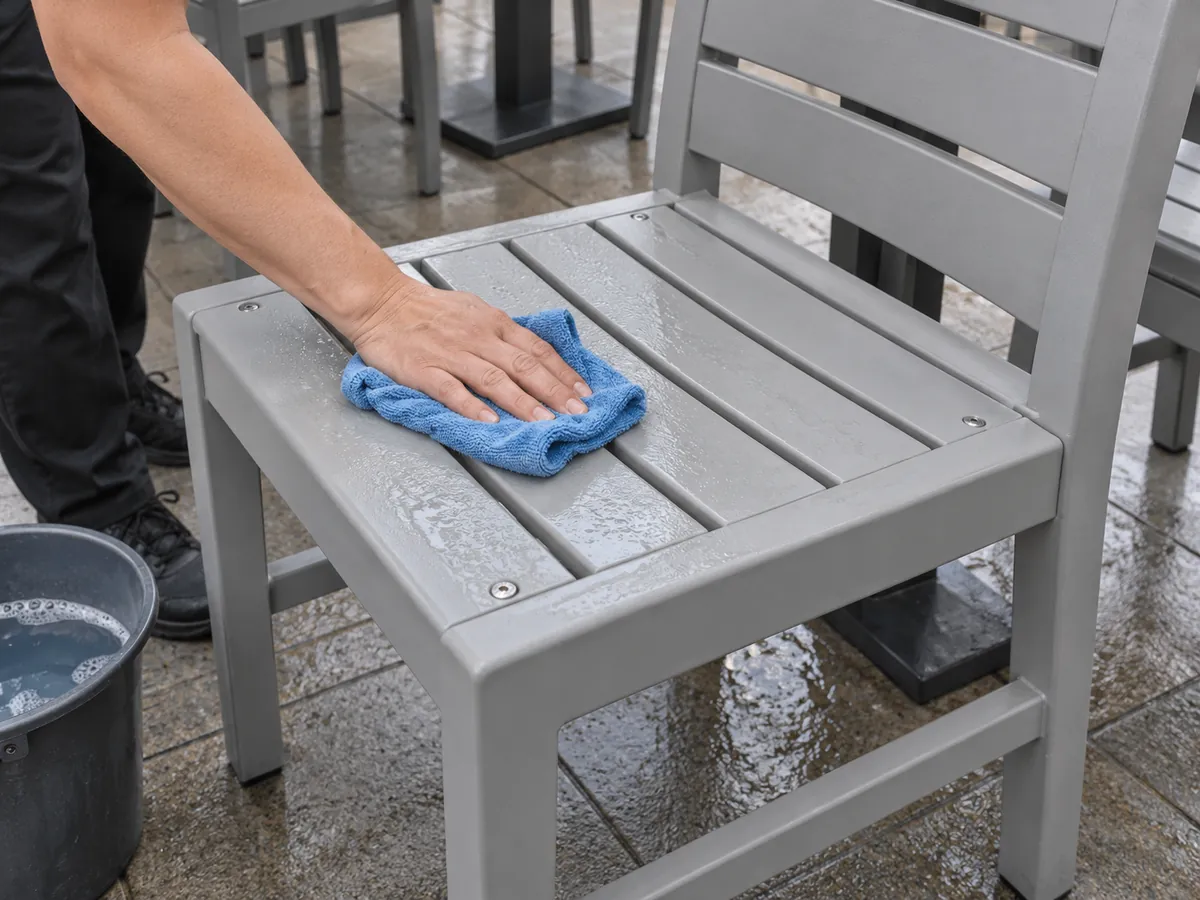
POLYWOOD’s aluminum care instructions use the same wash–rinse–dry sequence and advise cleaning cool surfaces. Strong solvents and rough pads can damage the finish.
Stains, salt and stronger cleaners
Treat a persistent stain locally before using a stronger cleaner across the whole chair. Test the product on a hidden area, rinse it off and inspect the dry surface for color or texture changes.
For HDPE, remove grease, bird droppings and tree residue promptly. If soap leaves a mark, use a cleaner permitted for that particular chair. The seat may tolerate a treatment that its metal fittings or cushions do not.
For coated aluminum, avoid abrasive powders, steel wool and aggressive acid or alkaline cleaners. Do not spray patio or masonry cleaner over chairs while washing the floor. If it splashes onto them, rinse promptly with fresh water.
At coastal sites, include sheltered joints and undersides in salt removal; rain may not reach them. Adjust cleaning when deposits return sooner. AkzoNobel’s powder-coating maintenance guidance explains this sheltered-area problem. Its architectural cleaning intervals should not replace a restaurant’s food-spill and service routine.
Use a pressure washer only when the complete chair’s care instructions allow it. A permitted method for one HDPE brand does not establish a safe setting for every resin, coating, joint or fabric. A garden hose is the simpler default for a mixed-material chair.
What changes under strong sun and UV exposure?
Choose outdoor-grade HDPE or an exterior-coated aluminum chair, then address fading and seat heat separately. Resistance to ultraviolet light does not mean a surface stays cool or keeps exactly the same appearance indefinitely.
Fading and loss of strength are different
HDPE needs a formulation intended for long outdoor exposure. UV stabilizers help slow damage to the polymer; pigments affect how the color holds up. These are related functions, but they are not interchangeable.
King Plastic’s UV and color-stability memorandum makes that distinction for its own sheet products. It also identifies color, thickness, application and climate as variables. This is why the letters “HDPE” alone cannot tell you how a finished chair will weather.
With coated aluminum, the finish is the sun-exposed layer you see. Weathering can include reduced gloss, chalking—a powdery surface residue—or a color change. Specify an exterior finish and keep the approved color and finish reference for later replacement orders.
Clean a weathered chair before judging it. Dirt can dull either surface. Fading alone does not establish that a chair is unsafe; cracks, unusual movement or damaged connections need their own inspection. Likewise, an even color does not establish that the structure is sound.
Seat heat needs its own check
For an unshaded lunch-service patio, prioritize shade and lighter contact surfaces before relying on either material name. POLYWOOD’s heat-retention guidance notes that both HDPE and aluminum can become hot in direct sun and recommends lighter colors and shade.
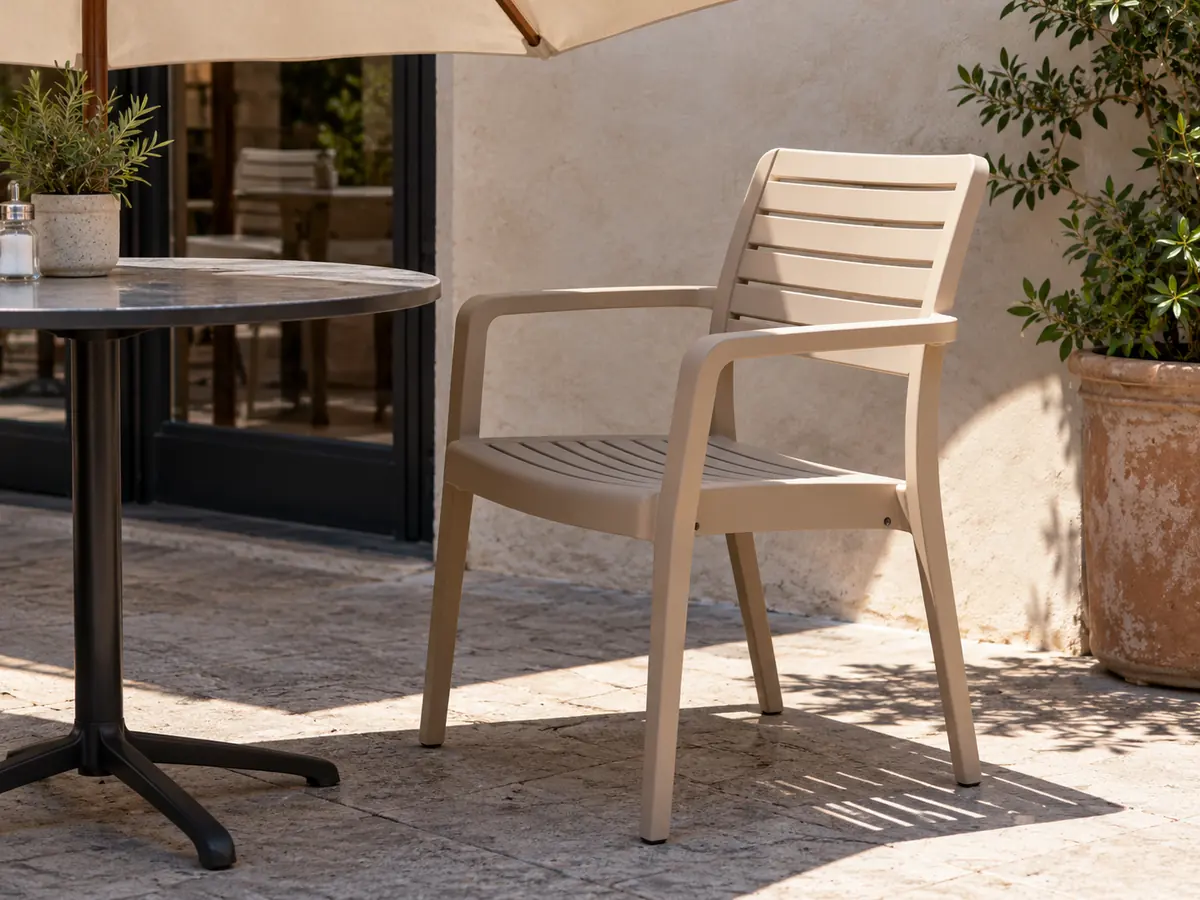
Compare samples in their intended locations during the hours you serve guests. Include the seat, front edge, arms and back; an armrest can receive sun while the seat remains shaded. Record the shade pattern and when surfaces become uncomfortable, without asking anyone to sit on or hold a potentially hot surface.
If direct-sun seating becomes unusable, change the shade plan, color or seating position. Cushions add another option, but they also add cleaning, drying and storage work. A UV claim does not solve that operating problem.
Which damage can you repair?
Keep harmless cosmetic marks, replace serviceable parts and remove structurally damaged chairs from use. Cleaning, finish repair and structural repair are different jobs; identify the problem before choosing a treatment.
| What you find | First check | Practical next action |
|---|---|---|
| Dark mark or dull patch | Does gentle washing remove it? | Clean and inspect dry before calling it permanent damage |
| Shallow HDPE scratch | Is it smooth, with no crack or loose connection? | Keep using it if serviceable; replace the part if appearance warrants it |
| Cracked slat or damaged fixing hole | Does it support the seat, back or frame? | Remove the chair from use and obtain the correct replacement or repair advice |
| Small aluminum coating chip | Is the surrounding metal and joint intact? | Clean, dry and use the specified touch-up system |
| Wobble | Is the floor uneven, a glide missing, a joint loose or a member cracked? | Correct the identified cause; reassess on a level surface |
| Bent frame, cracked weld or recurring looseness | Is a load-bearing connection affected? | Keep out of service pending an approved structural repair or replacement |
HDPE: keep minor marks, replace damaged parts
Through-colored HDPE has no contrasting paint layer to expose when scratched. A gouge still changes the texture, however. Sanding can turn a small mark into a larger patch with a different sheen. Do not treat sanding and repainting as the normal HDPE repair method. POLYWOOD specifically advises against both for its lumber.
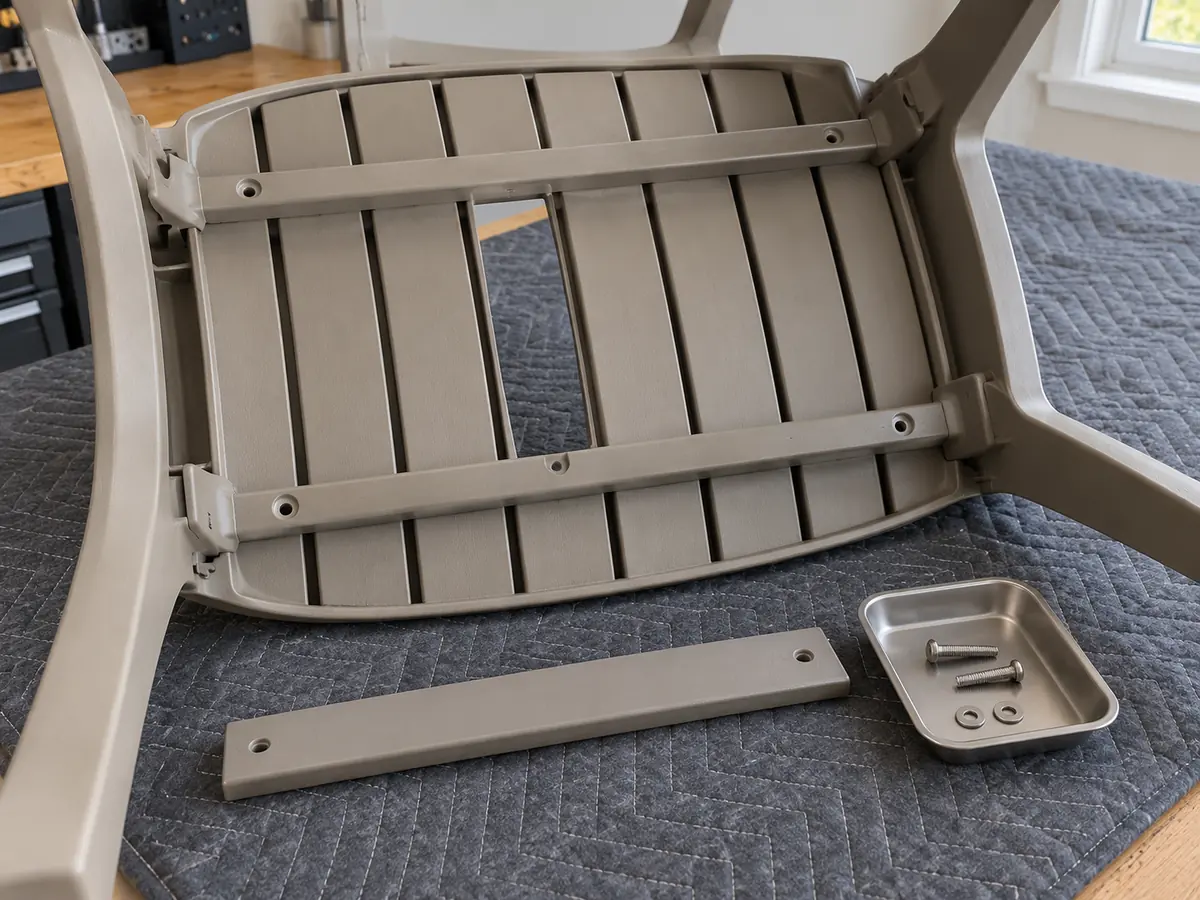
For a replaceable slat, match the part number, thickness, profile, hole positions and fixing arrangement. Use the specified hardware and assembly method. Preserve the original support and any allowance for movement; adding extra screws or tightening until the plastic deforms can create another problem.
Ordinary glue is a poor default for a cracked HDPE chair part. King Plastic’s StarBoard ST care manual describes the limitations of standard adhesives and the role of mechanical fixings and thermal movement in its material. For a chair, use its approved part and repair instructions rather than improvising a bonded structural patch.
Aluminum: separate finish repair from frame repair
For a small coating chip, clean and dry the area, prepare it as the repair system directs, and apply the matched touch-up product. Allow it to cure before use or stacking. A liquid touch-up may remain visible against the original powder-coated surface.
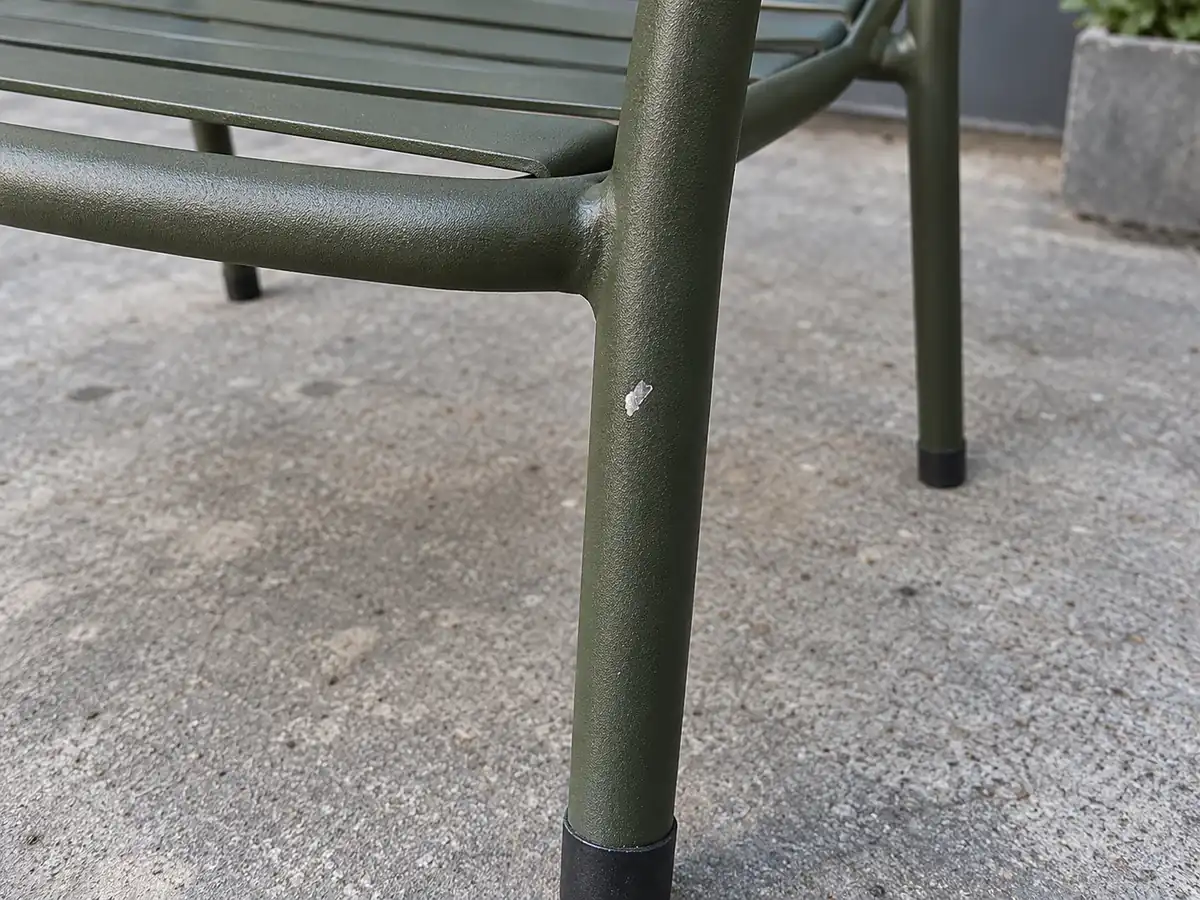
Fermob’s furniture repair guidance distinguishes aluminum touch-ups from steel rust treatment and recommends professional painting for larger areas. Steel rust remover is not a general solution for an aluminum finish defect.
A touch-up cannot restore a bent tube or cracked weld. Structural work needs assessment of the actual frame, alloy and joint. After any approved repair, inspect the affected connections and complete the specified return-to-service checks. If no supported repair is available, replace the chair.
Which chair should you choose for your patio?
Choose aluminum first for frequent moving and storage; choose solid HDPE first when fixed placement and avoiding coating upkeep matter more. Then compare the actual chair’s comfort, footprint, cleanability and available parts.
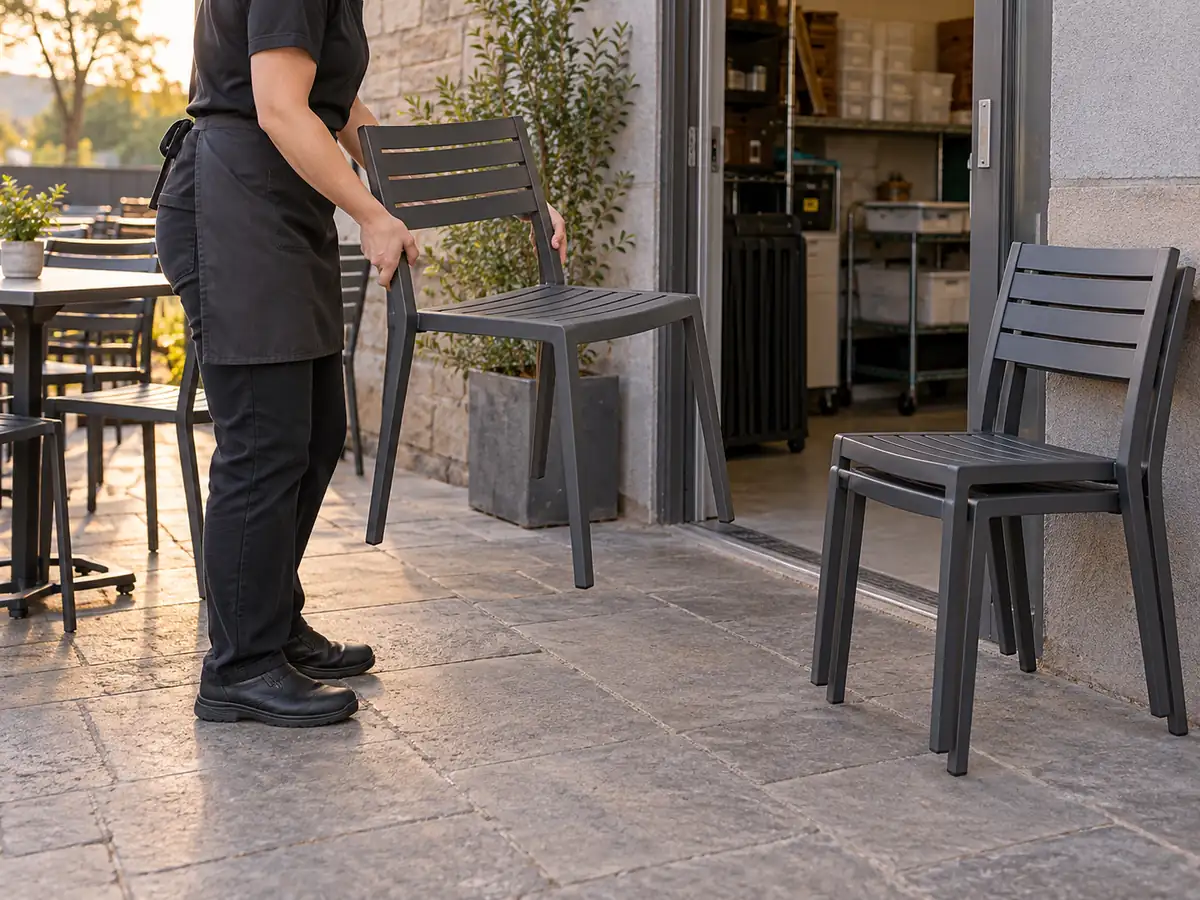
- Daily café reset: shortlist stackable aluminum chairs. Check how they nest, where frames rub and how staff carry the permitted stack. Replace worn stacking protectors before metal contacts damage the finish.
- Mostly stationary seating: shortlist outdoor-grade HDPE with accessible fasteners and replaceable parts. Confirm that staff can still move it for floor cleaning.
- Coastal or poolside seating: HDPE avoids corrosion of the plastic members, but hardware remains exposed. Aluminum can also suit these sites with an appropriate finish and care plan. Compare the whole chair against the actual splash and cleaning conditions.
- Windy rooftop: choose through the venue’s wind and storage plan. More mass can help handling stability, but no generic HDPE or aluminum label provides a safe wind rating.
Before replacing an existing chair fleet, separate appearance problems from failures. If frames and connections remain sound, cleaning, new glides or a small finish repair may solve the complaint. Replace a model when repeated damage, unavailable parts or daily handling problems make continued use impractical.
For a new order, trial the shortlisted chairs through your normal work. Time washing and drying, carry them over the real storage route, check table clearance and inspect stacking contacts afterward. Compare the same tasks and include cushions or extra handling where required. Use those observations to decide which trade-off matters at your venue.
For a restaurant project, explore our restaurant chairs, then send us your patio requirements: exposure, quantity, table height, preferred material and storage needs. We can help narrow suitable YeZhi models for the intended use.
HDPE outdoor furniture is a useful choice when avoiding coating maintenance outweighs extra handling work. Aluminum is usually the stronger starting point when chairs move every day. Choose the exact chair around that routine, with shade, compatible cleaning and a workable parts plan.
Frequently asked questions
Can I use one cleaner on aluminum frames with HDPE slats?
Yes, mild soap and water can be the shared routine when both components permit it. Stronger stain treatments need separate approval for the slats, coating, hardware and any fabric. Apply an allowed spot treatment only where needed and keep it off incompatible parts.
Can I repaint HDPE chairs to match a new restaurant color scheme?
Replacing the relevant components or chairs is usually more practical than planning a repaint of through-colored HDPE. Ordinary paint has difficulty adhering to this plastic. A specialist surface treatment is a separate project; obtain a supported process before treating repainting as an economical refresh.
Does green growth mean HDPE is rotting?
No. Surface growth or dirt on damp deposits is different from the plastic rotting. Wash the affected areas using the approved cleaner, rinse and improve drainage or drying. Inspect joints separately; removing green deposits does not repair a cracked or loose part.
How long does HDPE outdoor furniture last compared with aluminum?
There is no reliable material-only lifespan that settles this comparison. Resin or coating quality, construction, exposure, use and repair support all affect service life. Compare commercial warranty terms for the exact chairs, including excluded finishes and wear parts. A long residential warranty is not a promised restaurant service life.