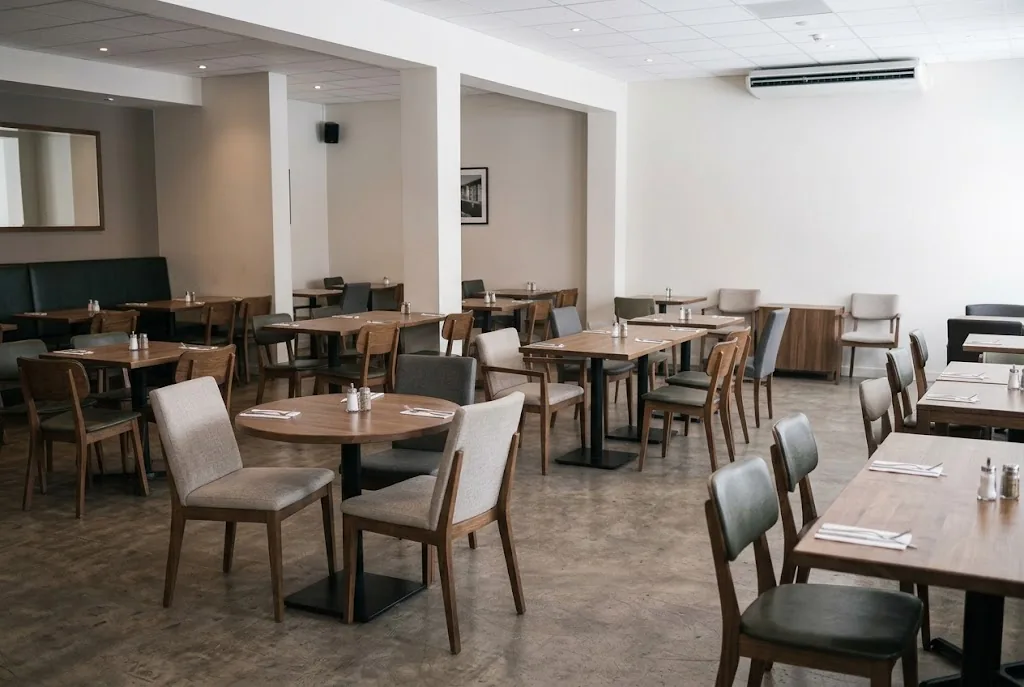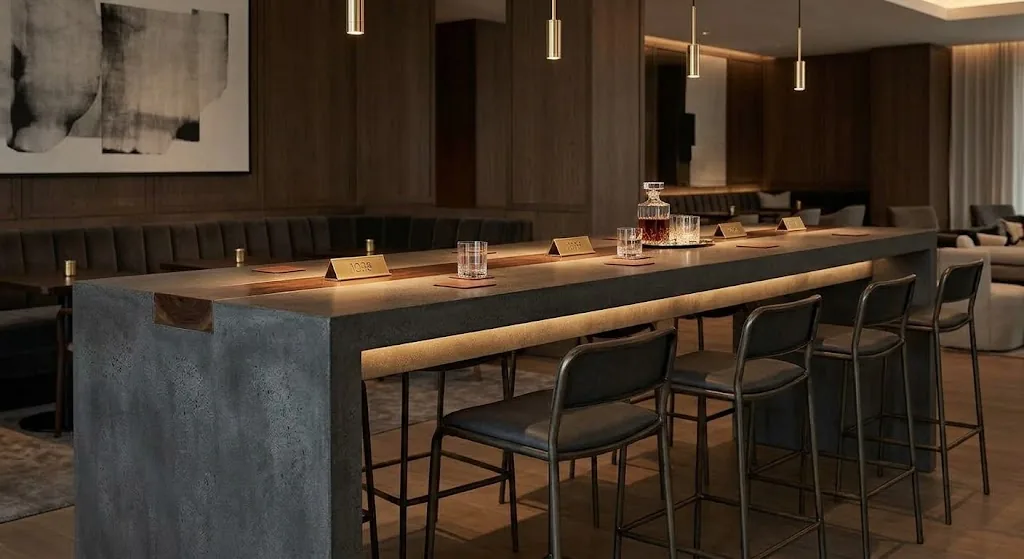
For many restaurant, café, and hotel patios, we recommend starting with aluminum-frame outdoor dining furniture, then changing the material and construction route when the site has high wind, coastal salt exposure, pool chemicals, frequent rain, freezing conditions, or limited storage.
Do not choose commercial patio furniture from appearance or consumer star ratings alone. Before production, lock the exposure level, furniture zones, frame and finish, table-and-seat dimensions, cleaning routine, stacking or storage needs, quantity per model, destination market, and any project-specific testing or documentation requirements.
Main risk: a product can look suitable outdoors yet become the wrong commercial choice when its material, coating, fasteners, drainage, weight, or maintenance needs do not match the actual site.
Best Commercial Outdoor Patio Furniture at a Glance
If you are comparing the best rated outdoor patio furniture online, do not use retail star ratings as the commercial decision. For restaurant, café, and hotel projects, start with the operating zone, then confirm the exact model, finish, dimensions, exposure, and storage plan.
| Commercial need | Best starting direction | Why we shortlist it | Change this choice if | Verify before order |
|---|---|---|---|---|
| General restaurant / café dining | Aluminum-frame dining chairs and tables | Lower mass can help daily resets, and aluminum is a practical first shortlist for many normal hospitality patios. | The site is high-wind, coastal, poolside, continuously wet, freeze-thaw, or needs a different design language. | Exact alloy/finish, feet, drainage, stability, table-chair fit, cleaning and storage. |
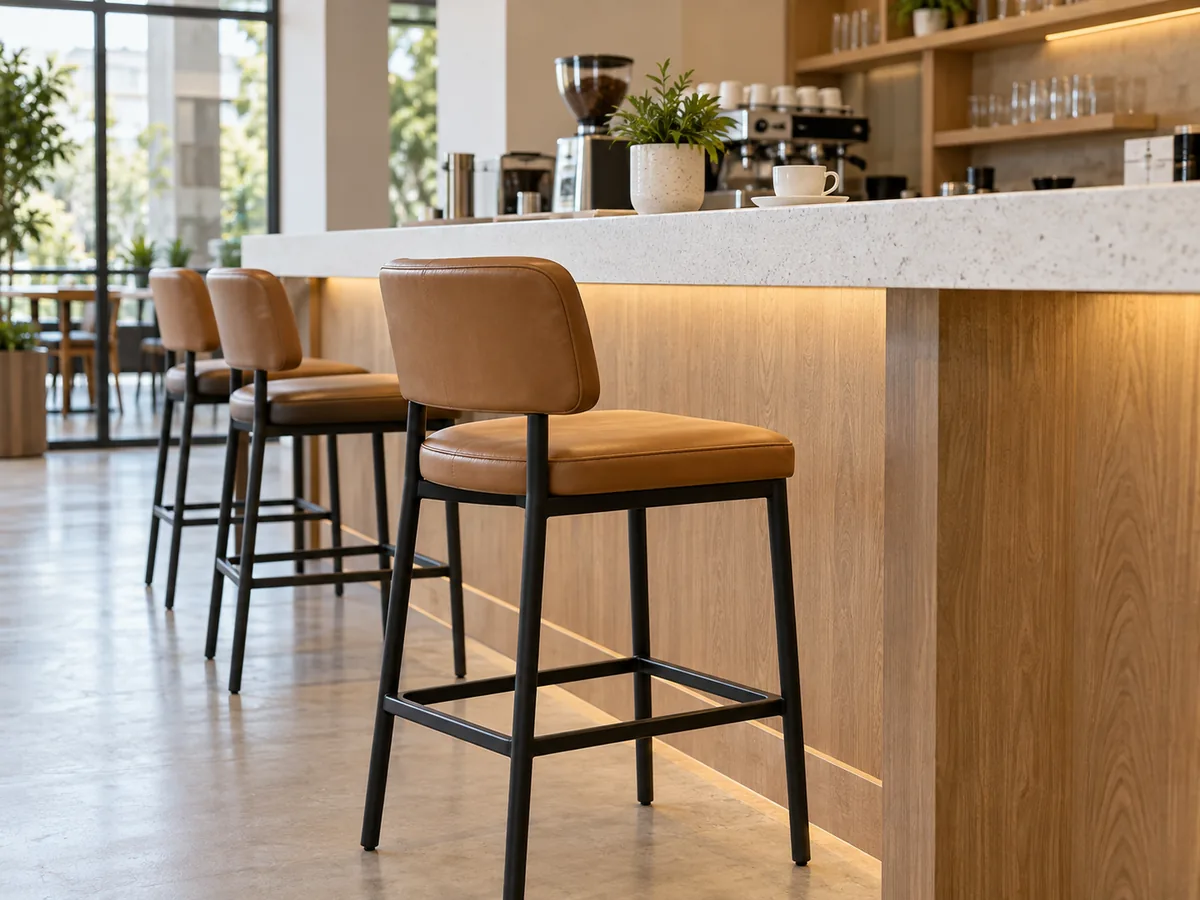
| Outdoor bar-height zone | Patio Aluminum Bar Stool Chairs Outdoor | Confirmed aluminum construction and outdoor/garden positioning make it a relevant bar-height direction to review. | You need more mass, a steel route, different storage behavior, or a mixed-material appearance. | Exact finish, site exposure, seat/table relationship, stability and quantity. |
| Steel + stackable bar seating | Rain Metal Outdoor Bar Stool | The current product page confirms steel construction, electrophoretic treatment plus outdoor powder coating, and stackability. | Exposure or project acceptance criteria require another material/finish route. | Exposure class, coating requirement, stack plan, floor contact and bar height. |
| Mixed metal + wood hospitality look | Parisian Outdoor Bar Stool | The current product page confirms a steel frame with solid teak seat for outdoor use. | Maintenance tolerance is low or the site exposure is too aggressive for the selected wood/finish route. | Exposure, teak finish/maintenance, frame finish and bar/table relationship. |
| Compact bar-height table zone | YZ-OBT01 Round Outdoor Bar Table | Its confirmed 23.6 in / 60 cm top and 42.5 in / 108 cm height suit compact drinks, coffee, dessert, or light-food zones. | You need larger dining capacity, a lower table, or a more exposed project condition. | Stool height, base footprint, circulation, exposure and seating count. |
| Restaurant patio dining table | Alden Metal Frame Outdoor Dining Table | Its confirmed 66.9 × 35.4 × 29.5 in / 170 × 90 × 75 cm format provides a clear dining-table starting point. | The layout, exposure, seating count, tabletop/frame specification or clearance requirement changes. | Material details, finish, chair clearances, layout and site exposure. |
Default recommendation: shortlist by operating condition first, then lock the model only after the project checks pass. “Best” is a project decision, not a universal ranking.
What Is the Best Outdoor Patio Furniture for Commercial Spaces?
The best outdoor patio furniture is the option that fits the operating environment and daily service routine, not simply the model with the highest retail rating. For restaurants and cafés that reset furniture often, a lighter corrosion-aware metal route can make handling easier. For exposed or windy locations, weight, geometry, anchoring strategy, and storage may change the decision. For covered or semi-covered hospitality areas, mixed materials can provide a warmer appearance when the exact outdoor exposure and maintenance plan are confirmed.
For commercial buyers, the best outdoor patio furniture sets are not necessarily the same products that rank highest on consumer review lists. Restaurants, cafés, and hotels must also account for reset frequency, cleaning, storage, floor contact, service paths, replacement planning, and project documentation.
Our default shortlist is therefore aluminum first for many general hospitality patios, protected steel when additional weight or a specific design language is useful, and wood/teak or mixed-material furniture for controlled outdoor conditions where maintenance is accepted. Coastal, poolside, continuously wet, freeze-thaw, and high-wind projects should move directly to project confirmation instead of relying on a universal material ranking.
Best Commercial Patio Furniture by Operating Condition
| Operating condition | Default shortlist | What changes the recommendation | Required check before order |
|---|---|---|---|
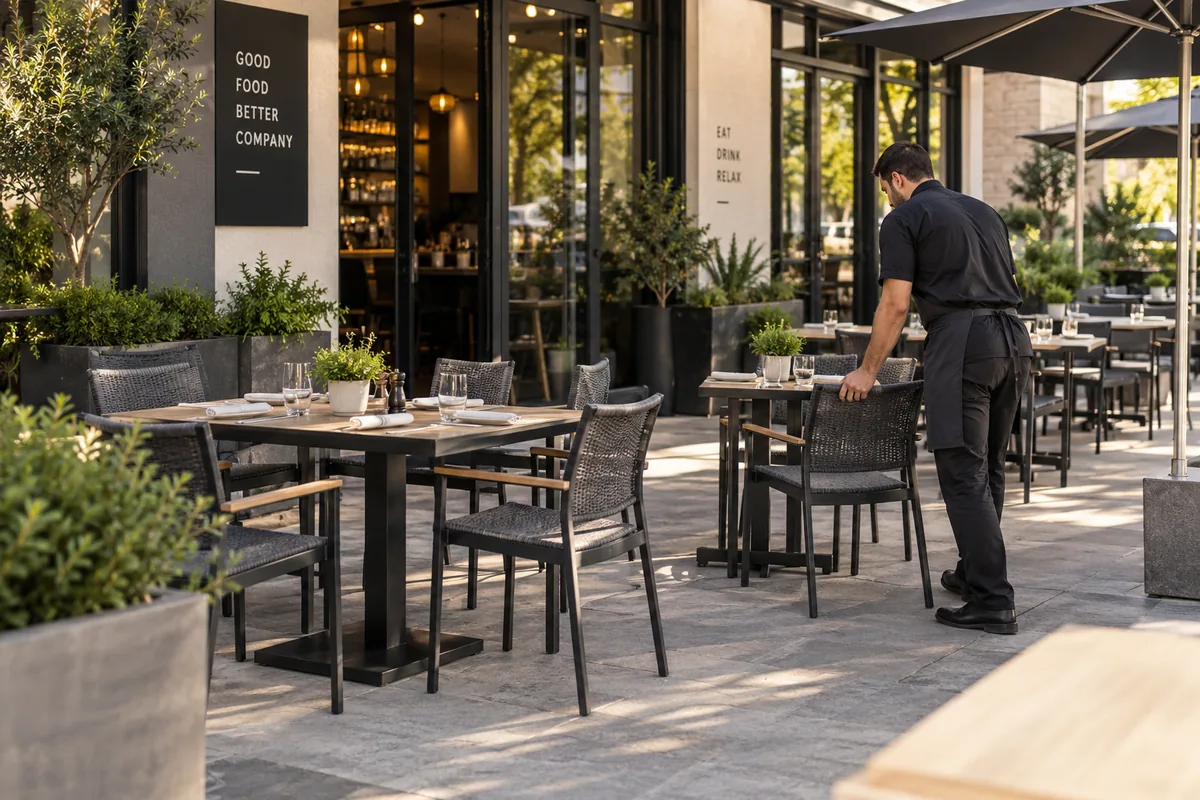
| Restaurant or café patio with daily reset | Aluminum-frame dining chairs and tables; stackable seating where practical | Strong wind, rough paving, heavy abuse, or a design brief requiring more mass | Frame alloy/finish, feet, stability, stack height, table-chair fit, cleaning routine |
| Covered or semi-covered café/hotel terrace | Aluminum, protected steel, or selected wood/teak and mixed-material combinations | Rain reach, condensation, direct sun, humidity, overnight storage, maintenance tolerance | Exact material, finish, water-shedding details, maintenance instructions, approved sample |
| Outdoor bar-height service zone | Outdoor bar stools matched to a confirmed high table | Uneven paving, narrow circulation, high wind, footrest clearance, storage limits | Seat height, table height, base footprint, stability, aisle and service path |
| Coastal or salt-exposed site | Project-specific material, fastener, coating, and maintenance route | Distance from salt source, shelter, wash-down routine, required service life | Material grade, surface treatment, fasteners, test/document requirement, maintenance plan |
| Poolside or chemically aggressive zone | Project-specific route; avoid assuming a normal patio specification is sufficient | Chemical splash, standing water, wet towels, drainage and cleaning chemicals | Exact exposure, material compatibility, drainage, cleanability, project acceptance criteria |
| High-wind rooftop or open terrace | Heavier or more stable geometry may be preferable to the lightest furniture | Wind conditions, furniture geometry, site rules, storage and securing method | Site wind plan, base/footprint, mass, movement/storage procedure; do not decide by frame material alone |
How We Evaluate Commercial Outdoor Patio Furniture
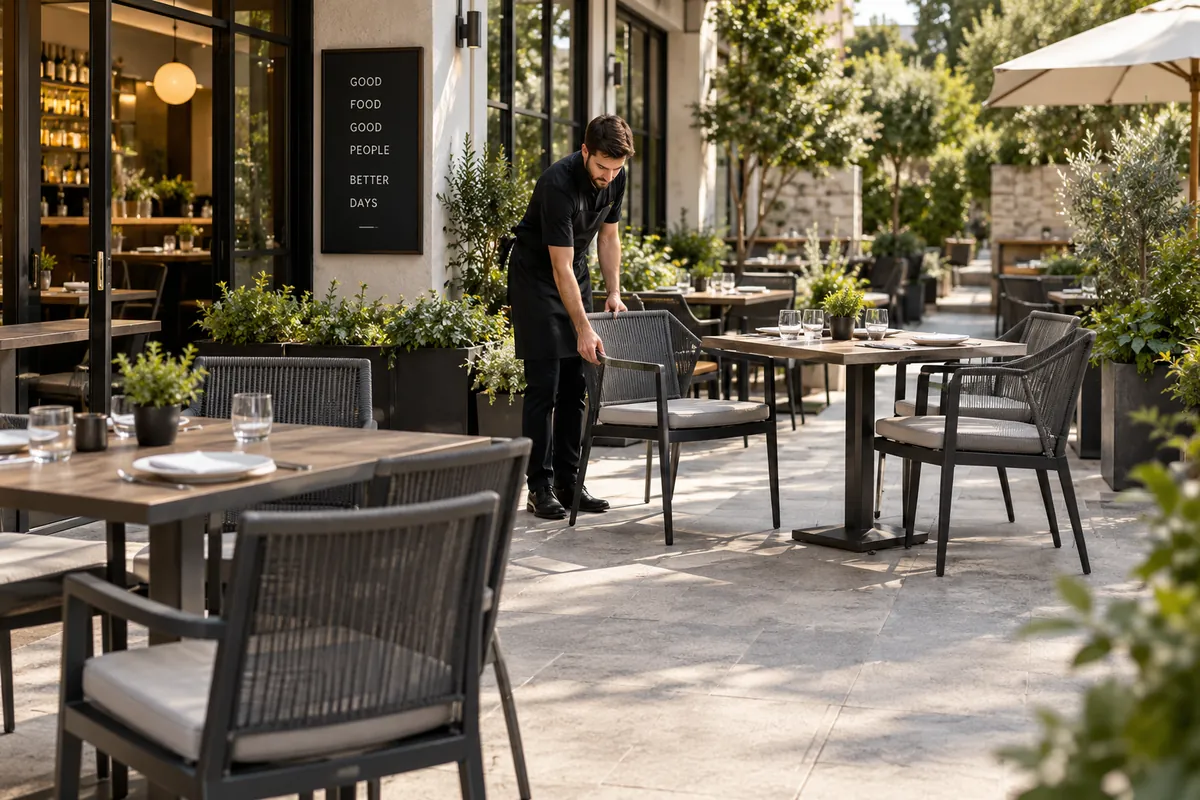
We do not treat “best quality” as a marketing label. Before we shortlist a model family, we review the project inputs that can be specified, sampled, and accepted: exposure, material/finish, construction details, dimensions, daily operations, and the evidence required for approval.
Evidence boundary: this guide does not claim that every model has been field-tested under every outdoor condition. Model-specific coatings, tests, documents, dimensions, and performance claims must be confirmed from the relevant product page, drawing, sample, test document, or project requirement before production.
1. Exposure
Covered, semi-covered, open rain, coastal salt, pool chemicals, sun, freezing conditions, and cleaning chemicals can require different material and finish decisions.
2. Structure and Finish
Check the frame material, joints, fasteners, coating or surface treatment, water traps, feet, and contact points rather than relying on a broad “outdoor” label.
3. Operations
Daily moving, stacking, storage, floor cleaning, table resetting, and staff handling can matter as much as appearance.
4. Layout
Seat width, arm clearance, table base, pull-out space, service paths, accessibility requirements, and total seat count must work together.
5. Maintenance
Confirm how surfaces will be wiped, washed, dried, repaired, refinished, or replaced, and whether replacement parts or repeat orders need finish consistency.
6. Order Control
Lock the approved material/finish sample, dimensions, quantity per model, packing method, documents, and project acceptance points before production.
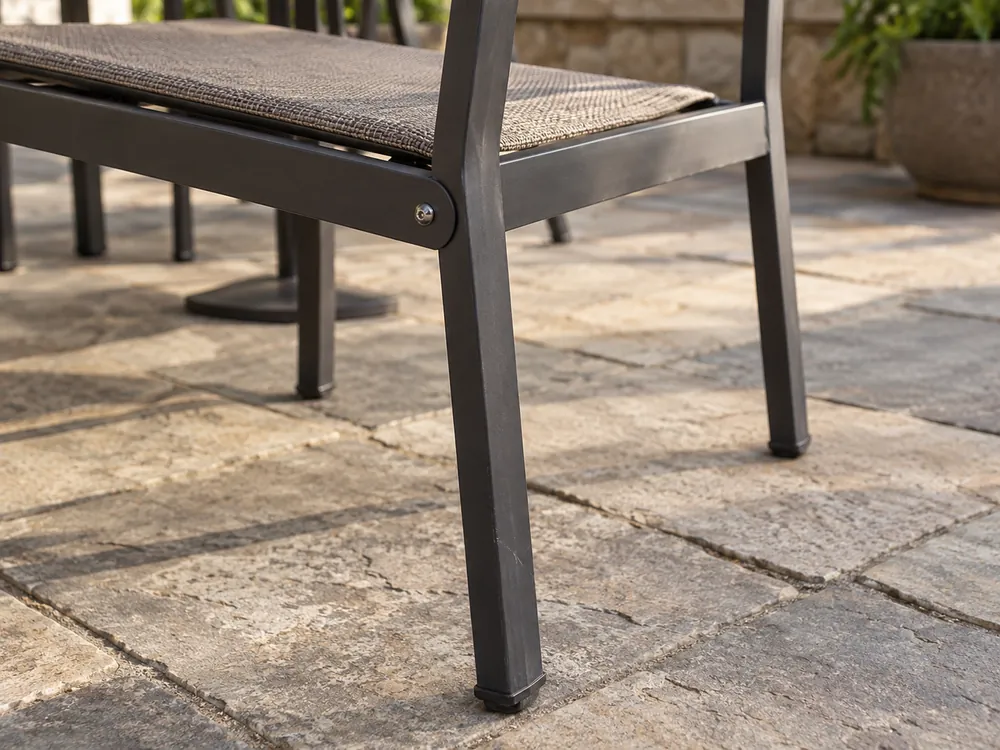
Aluminum vs. Coated Steel vs. Wood/Teak for Outdoor Furniture
| Material route | Where it often works well | Commercial advantage | Main limit | What we check |
|---|---|---|---|---|
| Aluminum frame | Restaurants, cafés, hotels, terraces, areas with frequent furniture movement | Low mass can make daily handling easier; aluminum alloys can provide useful corrosion resistance | Performance still depends on alloy, finish, joints, fasteners, geometry, and exposure | Alloy/grade where specified, finish system, fasteners, weld/joint details, feet, sample |
| Protected steel | Patios where added mass, slim sections, industrial styling, or specific fabrication is useful | Can provide a solid, stable feel and broad design flexibility | Corrosion protection must match the real environment; coating damage and water retention need attention | Surface treatment, coating, drainage details, welds/joints, touch-up/maintenance plan |
| Wood or teak elements | Covered or semi-covered hospitality zones where a warmer natural appearance is important | Natural material character and mixed-material design options | Weathering, moisture movement, finish maintenance, and exact species/construction must be accepted | Species/material source, finish, exposure, maintenance expectations, approved sample |
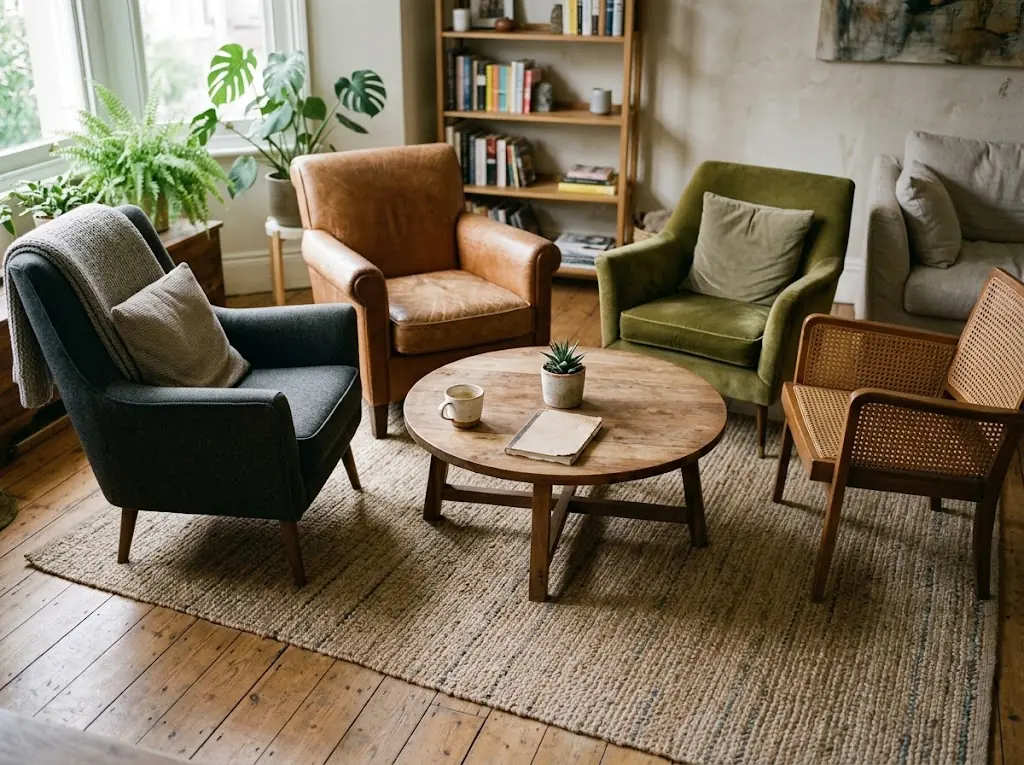
| Woven or upholstered outdoor systems | Selected lounge or dining applications when the complete outdoor material system is documented | Can add comfort and texture | Do not treat ordinary indoor fabric, foam, or weave as automatically suitable for continuous exposure | Fabric/weave data, foam/drainage construction, drying, UV/wet-cleaning requirements, replacement plan |
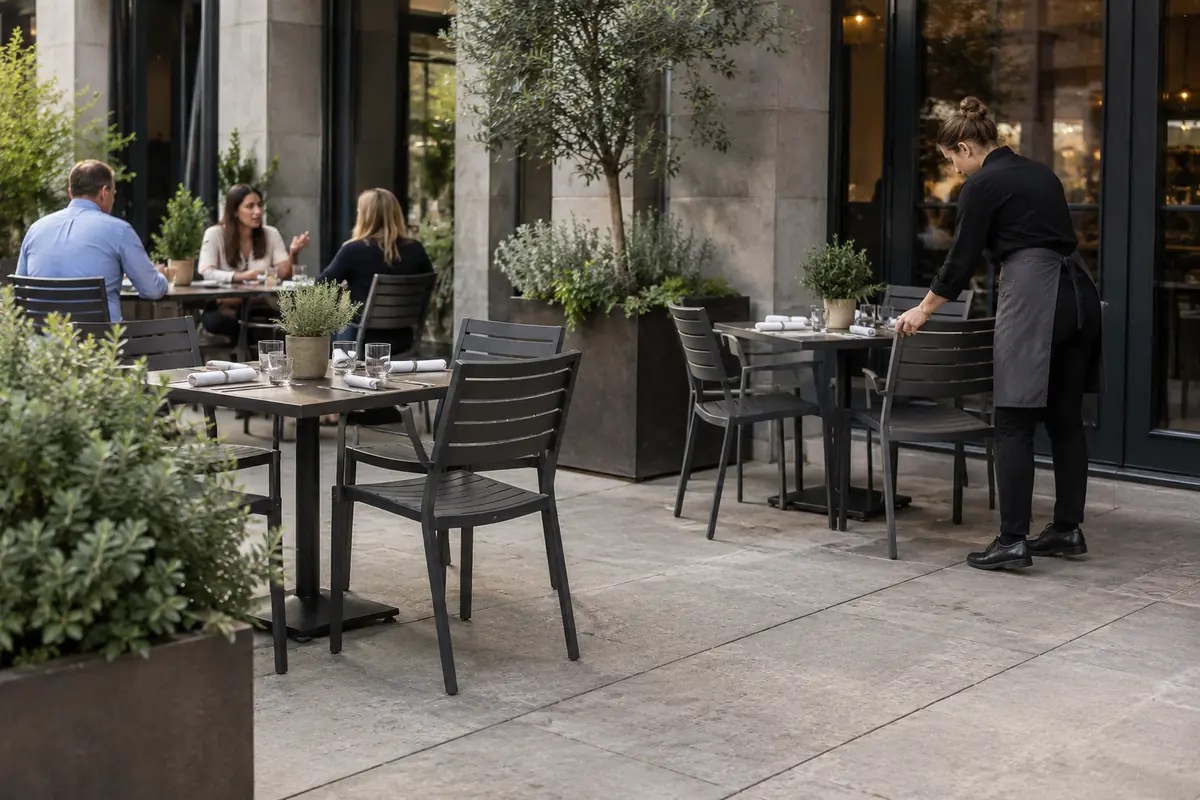
The Aluminum Association notes that aluminum properties, including corrosion resistance, vary with alloying elements. That is why “aluminum” alone is not a complete outdoor specification.
For protected steel, ISO 12944-2:2017 classifies environmental corrosivity for steel structures. We use this kind of source as a general environment-selection reference; it does not mean a YeZhi furniture model is certified to ISO 12944. If a project requires a named coating standard, salt-spray duration, or other test, put that requirement into the RFQ and confirm it for the exact model before production.
Five Failure Modes That Make Good-Looking Patio Furniture a Bad Commercial Buy
Exposure mismatch
Cause: the site is harsher than the selected finish or material route. Visible warning: early coating damage, staining, swelling, water retention, or hardware deterioration. Commercial effect: more maintenance, appearance inconsistency, and earlier replacement decisions. Prevention: classify the real site first and approve the exact material/finish route.
Lightweight becomes unstable
Cause: low mass is selected for easy handling without considering wind, base footprint, or uneven paving. Visible warning: rocking, sliding, or frequent repositioning. Commercial effect: staff intervention and poor guest experience. Prevention: check geometry and site conditions; do not select by material alone.
Stacking plan fails
Cause: “stackable” is specified without checking actual stack height, storage opening, floor protection, or staff route. Visible warning: unstable stacks or furniture left outdoors because storage is impractical. Commercial effect: slower closing routines and avoidable handling damage. Prevention: review stack quantity and storage dimensions before order.
Table-and-chair geometry conflicts
Cause: individual products are selected before checking base position, arms, seat height, and pull-out space. Visible warning: chairs cannot tuck in, knees hit a pedestal, or aisles shrink when seats are occupied. Commercial effect: reduced capacity or service-flow problems. Prevention: check the complete furniture zone on the floor plan or a physical mock-up.
Finish cannot be repeated
Cause: color, texture, material, and acceptance sample are not locked for the first order. Visible warning: later additions or replacements do not match the original zone. Commercial effect: inconsistent appearance and rework. Prevention: retain approved finish references and model/order records for repeat sourcing.
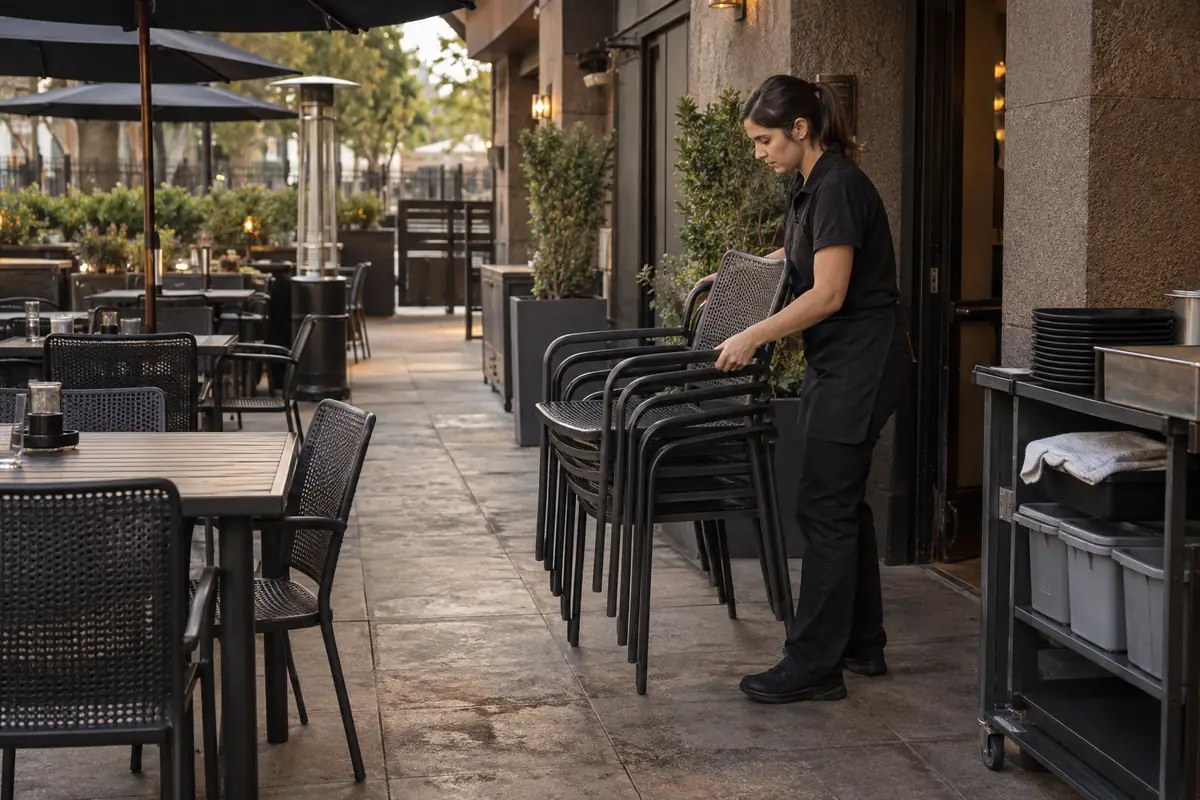
YeZhi Outdoor Patio Furniture Directions: Best For, Change If, Verify
These are confirmed model examples to support shortlisting, not a universal ranking. Use the product facts below together with the site conditions, layout, quantity, and documentation requirements before approval.
Patio Aluminum Bar Stool Chairs Outdoor
Best for: Outdoor bar-height zones where a lighter aluminum route is useful.
Why we shortlist it: The current product page confirms aluminum construction and outdoor/garden use.
Change this choice if: Choose another route when the site exposure, required mass, storage plan, or design brief makes aluminum a poor fit.
Before ordering verify: Exact finish, site exposure, counter/table height, stability and quantity.
Rain Metal Outdoor Bar Stool
Best for: Commercial bar zones that need a steel outdoor route and stackable storage.
Why we shortlist it: The current product page confirms steel construction, electrophoretic treatment plus outdoor powder coating, and stackability.
Change this choice if: Reconsider when exposure class, coating requirement, floor conditions, or project acceptance criteria call for a different route.
Before ordering verify: Exposure class, coating requirement, stack plan, floor contact and bar height.
Parisian Outdoor Bar Stool
Best for: Hospitality spaces seeking a mixed metal-and-wood appearance.
Why we shortlist it: The current product page confirms a steel frame with solid teak wood seat and outdoor use.
Change this choice if: Reconsider when the site exposure or maintenance tolerance does not suit the selected wood/finish route.
Before ordering verify: Exposure, teak finish/maintenance, frame finish and bar/table relationship.
YZ-OBT01 Round Outdoor Bar Table
Best for: Compact drinks, coffee, dessert, or light-food bar-height zones.
Why we shortlist it: The confirmed size is Ø23.6 in / 60 cm with a 42.5 in / 108 cm height, and the current page recommends covered and semi-covered café/hospitality areas.
Change this choice if: Choose another table format when the project needs more dining surface, lower dining height, or a more exposed site route.
Before ordering verify: Stool height, base footprint, circulation, exposure and seating count.
Alden Metal Frame Outdoor Dining Table
Best for: Restaurant patios, café terraces and hotel outdoor dining layouts.
Why we shortlist it: The confirmed 66.9 × 35.4 × 29.5 in / 170 × 90 × 75 cm format provides a clear dining-table reference.
Change this choice if: Reconsider when seating count, chair clearance, exposure, or tabletop/frame requirements change the layout.
Before ordering verify: Tabletop/frame material details, finish, chair clearances, layout and site exposure.
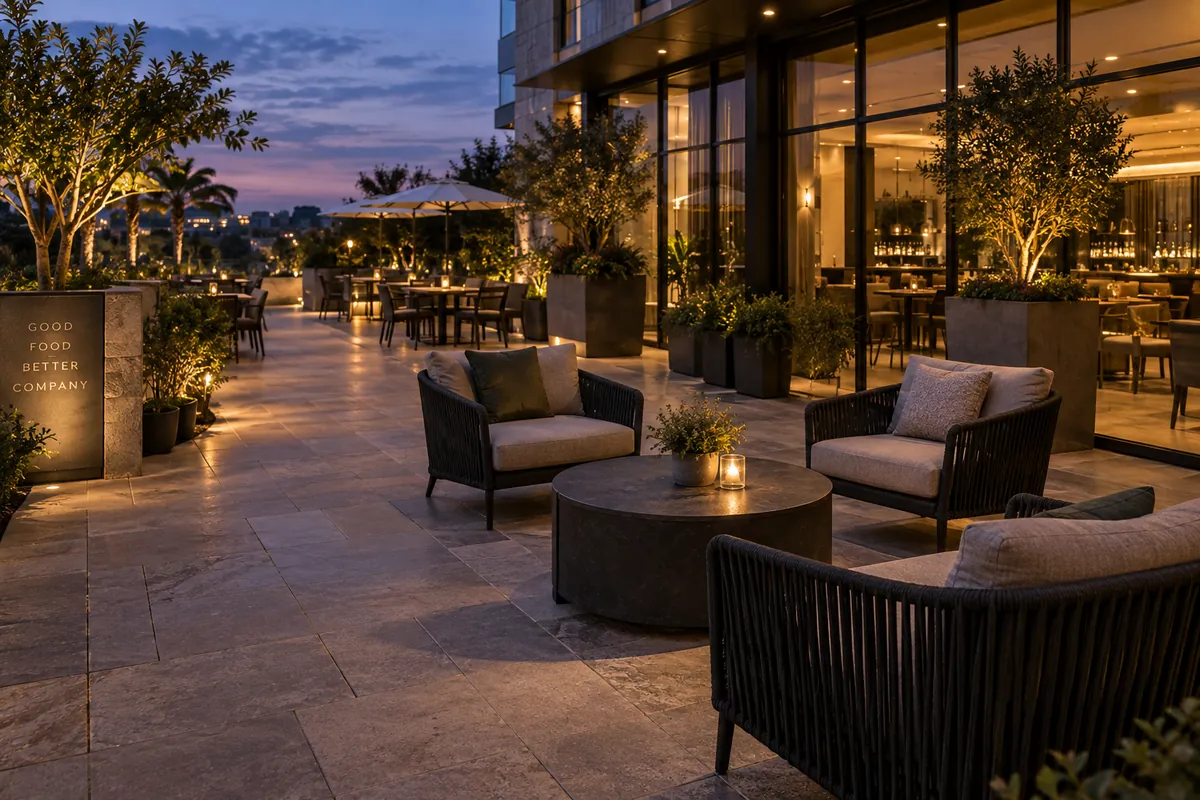
For model approval, use the linked current product page together with any applicable drawing, sample, finish confirmation, test document, or project-specific acceptance requirement. Generic context photography is not a substitute for model-specific evidence.
For a wider product path, review YeZhi’s commercial bar stools, commercial tables, or café furniture sourcing page.
The Best Outdoor Patio Furniture Sets Are Built by Zone, Not by Retail Bundle
For commercial hospitality projects, we usually recommend building the patio as coordinated operating zones instead of buying a pre-packed residential set. This makes it easier to replace chairs, change table counts, mix dining and bar-height service, and maintain consistent finishes across future orders.
Dining zone
Lock table size, chair width/arms, pull-out space, table-base position, seat count, and service circulation together. A table that works alone can become inefficient when occupied chairs reduce the aisle.
Bar-height zone
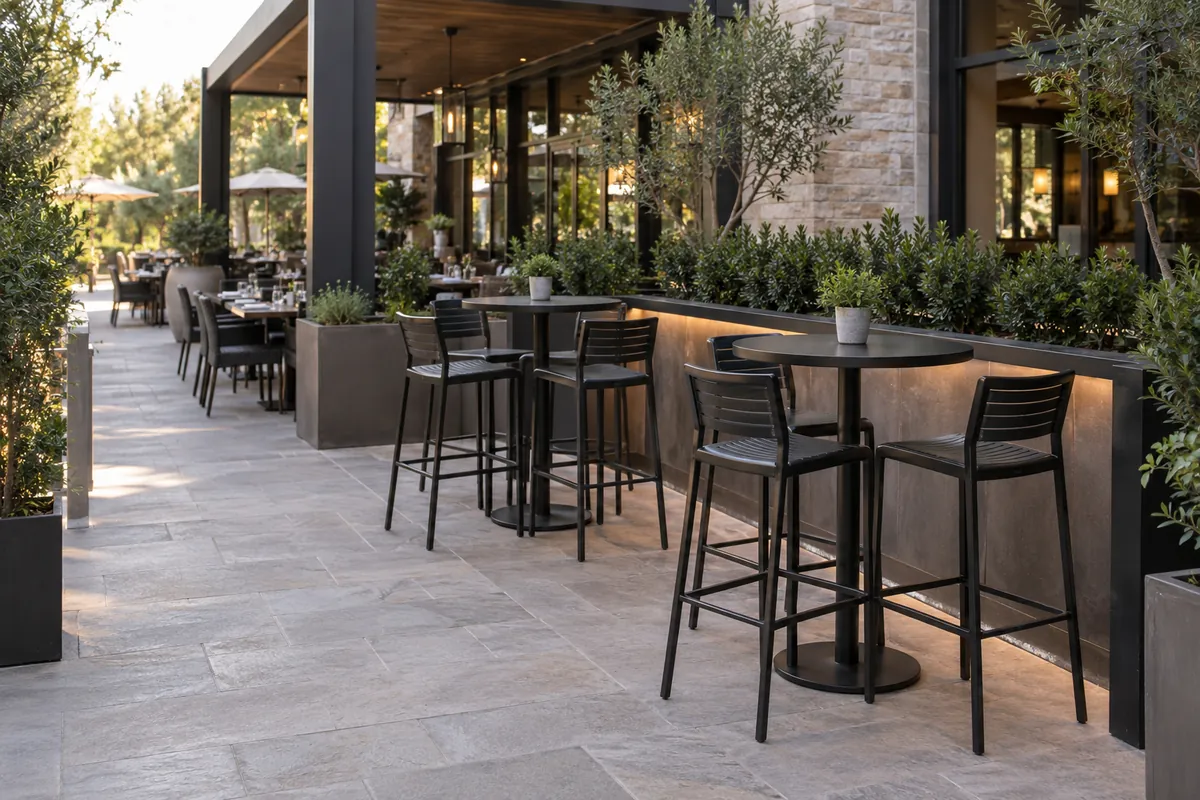
Match stool seat height to the actual table or counter height, then check footrest position, base footprint and stability. For example, YeZhi’s YZ-OBT01 is a 42.5 in / 108 cm high table, so we recommend bar-height stools rather than standard dining chairs.
Covered lounge or waiting zone
Comfort can take more priority here, but any cushion, woven material, wood component, or upholstery still needs a defined exposure and maintenance route. Do not carry an indoor upholstery specification outside without checking the complete material system.
Layout and Accessibility Checks Before You Lock the Set
Commercial patio capacity should be calculated with occupied chairs and real service paths, not only with table footprints. We recommend checking a scaled floor plan and, for high-risk layouts, a mock-up of at least one typical table zone.
For U.S. projects, the U.S. Access Board ADA Standards state that at least 5% of seating and standing spaces at dining surfaces must comply with Section 902, and accessible dining surfaces are 28–34 in / 71–86.5 cm high. Other countries and jurisdictions have their own accessibility and building requirements, so the local project standard should be identified before the furniture schedule is locked.
What to Send YeZhi Before We Recommend a Patio Furniture Route
A useful RFQ should describe the project conditions, not only ask for a price. Send the information below and we can narrow the product family, identify what still needs a sample or drawing, and prepare the commercial quotation on a clearer basis.
| Send us | Why it changes the selection | What can fail if it is missing |
|---|---|---|
| Venue type and outdoor exposure | Drives material, finish, drainage and maintenance decisions | A normal patio specification can be used in a harsher environment |
| Furniture zones and floor plan | Controls table size, chair format, bar-height areas, circulation and capacity | Products fit individually but conflict in the occupied layout |
| Quantity per model/SKU | Controls MOQ feasibility, packing, production planning and quotation basis | The selected model or custom route is not commercially feasible at the required volume |
| Target dimensions or existing counter/table heights | Controls seating height, ergonomics and table-chair compatibility | Bar stools, chairs and tables are mismatched |
| Material, color and finish direction | Controls appearance, outdoor suitability and sample approval | Finish expectations remain subjective or cannot be repeated accurately |
| Destination market and required standards/documents | Defines which documents or project tests must be reviewed for the exact order | A named standard or report is assumed without model-level applicability |
| Packing, Incoterm and delivery needs | Controls export packing, loading plan and quotation structure | Landed logistics assumptions are incomplete |
Regular MOQ starts from about 15 pcs per model/SKU. Some models have a higher model-specific minimum. Full OEM/custom projects usually start from about 100 pcs per design or configuration.
Standard production is about 30 days after order confirmation; complex/custom work is commonly about 35–45 days or confirmed by project. Sample timing is model- and project-specific rather than a universal fixed promise.
Standard payment is T/T 30% deposit + 70% balance before shipment. EXW, FOB and CIF can be supported; ocean shipment can be planned by LCL or FCL. YeZhi’s standard warranty period is 1 year. Final warranty coverage, exclusions and remedy terms should be stated on the PI before production.
FAQ
What is the best outdoor patio furniture material for restaurants?
For many general restaurant patios, we start with aluminum because lower mass can help daily handling and aluminum alloys can provide useful corrosion resistance. Change the route for high wind, coastal salt, pool chemicals, heavy impact, freezing conditions, or a design brief that favors protected steel or wood/teak. The exact alloy, finish, fasteners and exposure still need to be checked.
Is the best-rated outdoor patio furniture suitable for commercial use?
Consumer ratings can help identify common complaints, but they are not a commercial specification. A hospitality project should also check exposure, dimensions, structure, finish, cleaning, storage, stability, repeat-order requirements, packing and project documents.
Should restaurants buy complete outdoor patio furniture sets?
We usually recommend a coordinated zone plan rather than a fixed retail bundle. Lock dining tables and chairs together, treat bar-height furniture as a separate system, and use lounge furniture only where its exposure and maintenance route are clear. This makes replacement and future additions easier.
Is aluminum always the best choice for coastal or poolside patios?
No. Coastal salt and pool chemicals can change the material, fastener, coating and maintenance requirements. We would treat those environments as project-confirmation cases rather than approve furniture from the word “aluminum” alone.
What information should I send for a commercial outdoor furniture quotation?
Send the venue type, outdoor exposure, floor plan or furniture zones, quantity per model, required dimensions, material/finish direction, destination market, required documents or tests, packing needs and target timeline. That gives us enough context to shortlist the right product direction and identify the remaining checks before production.
Commercial Patio Buying Decision
Our recommendation: start with the operating condition, not a retail ranking. Shortlist the material and furniture zone, check the failure risks, confirm the model facts, then lock dimensions, finish, quantity, storage and acceptance requirements before production.
If the project includes coastal salt, pool chemicals, high wind, continuous wet exposure, freeze-thaw conditions, unusual cleaning chemicals, or special testing/document requirements, move directly to project-specific confirmation.
Send Your Outdoor Patio Furniture Requirements
If you are sourcing for a restaurant, café, hotel, distributor program, or commercial furnishing project, send us the patio exposure, furniture zones, quantities, preferred materials/finishes, dimensions or floor plan, destination, and any required project documents.
We will use those inputs to narrow the product direction, identify model-specific checks, and prepare the quotation basis without turning a general outdoor recommendation into an unsupported project specification.
Send Patio Project Requirements