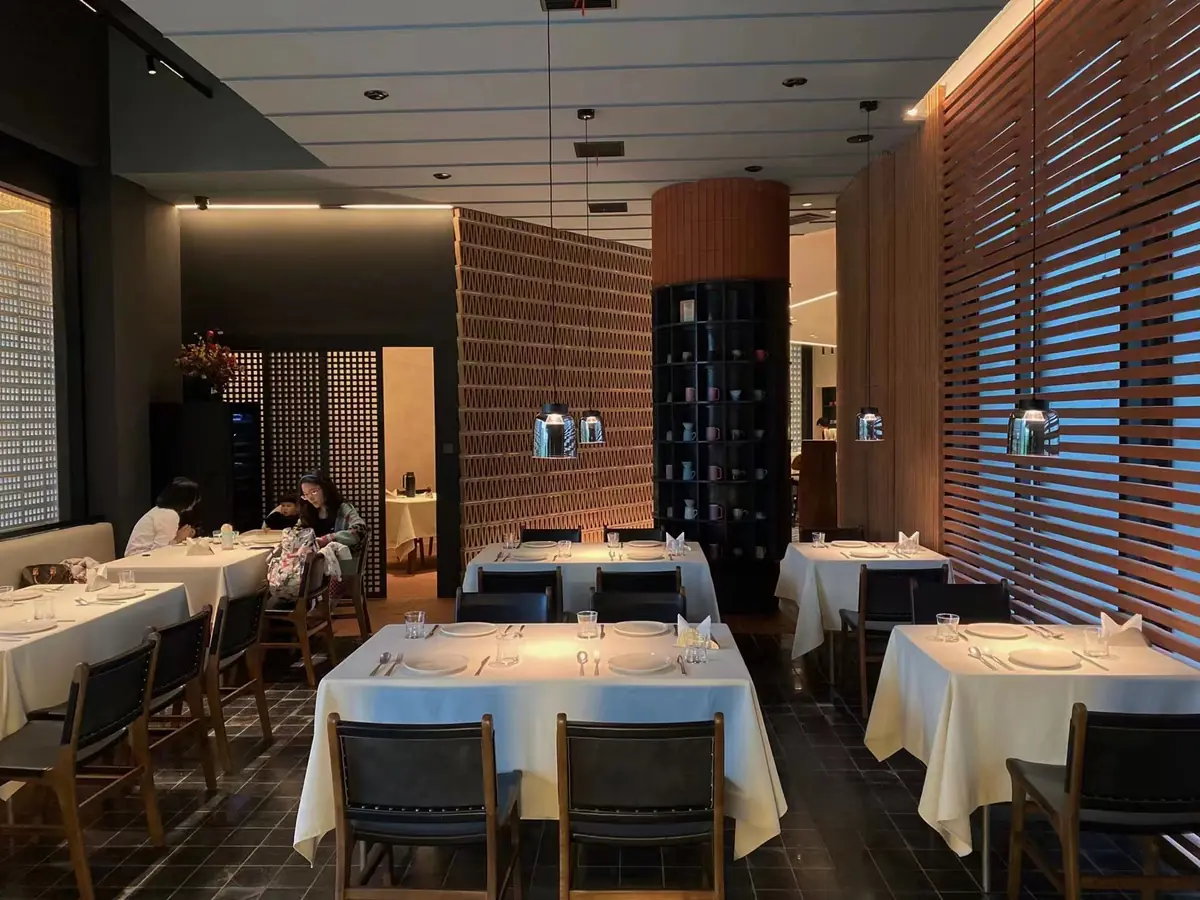
A restaurant owner in New York contacted YeZhi while choosing chairs and tables for a dining room with timber screens, patterned partitions and an existing wall-side banquette. The request was for restaurant furniture in NYC that would work with the room’s established style and seating arrangement.
The owner wanted warm brown tones and dark seating details, with white tablecloths completing the dining setting. That gave us a clear starting point for the furniture discussion. The challenge was to bring those preferences together in a chair-and-table combination that belonged beside the existing interior.
The Problems Behind the Furniture Request
The first issue was the relationship between the furniture and the room. The timber screens and patterned partitions already drew attention. The chairs needed to carry the owner’s preferred brown and dark tones through the dining area without adding another competing pattern.
White tablecloths added another consideration. They covered much of the tables during service, while the chair backs and frames stayed visible. The furniture selection therefore needed to give those visible parts as much attention as the tabletop.
The existing banquette brought a practical issue into the same discussion. A table beside fixed seating has to work with that seat as well as the loose chairs on the opposite side. The owner needed the tables and chairs to form a dining arrangement around something that was already part of the room.
How We Helped Bring the Furniture Together
Starting With the Chairs Guests Would See
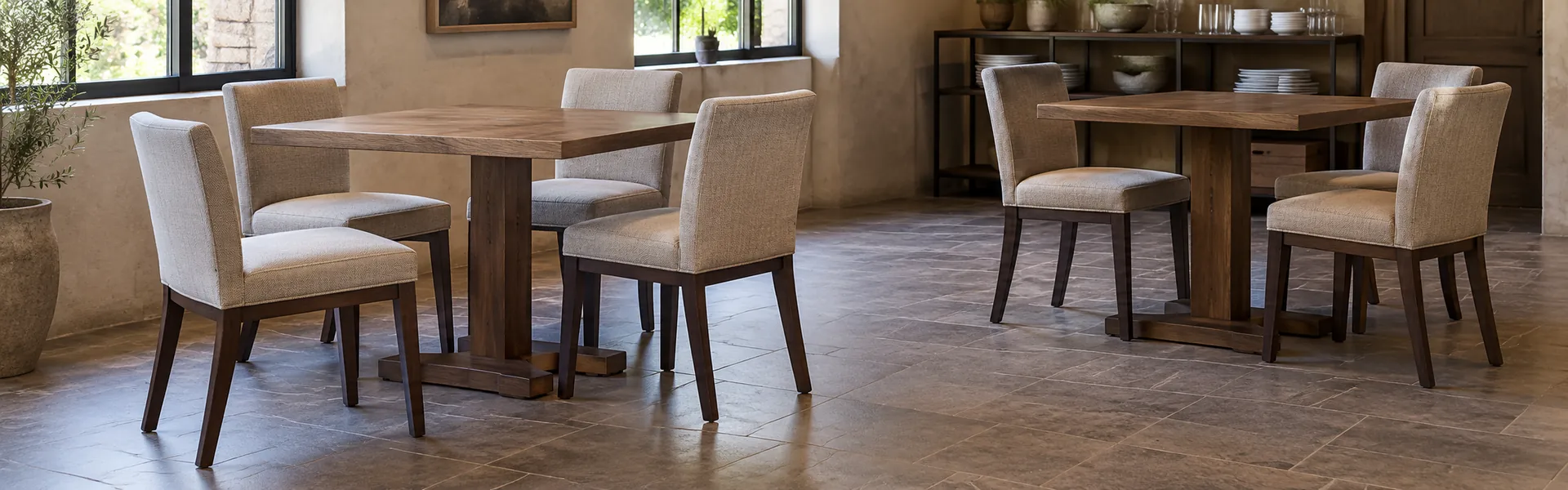
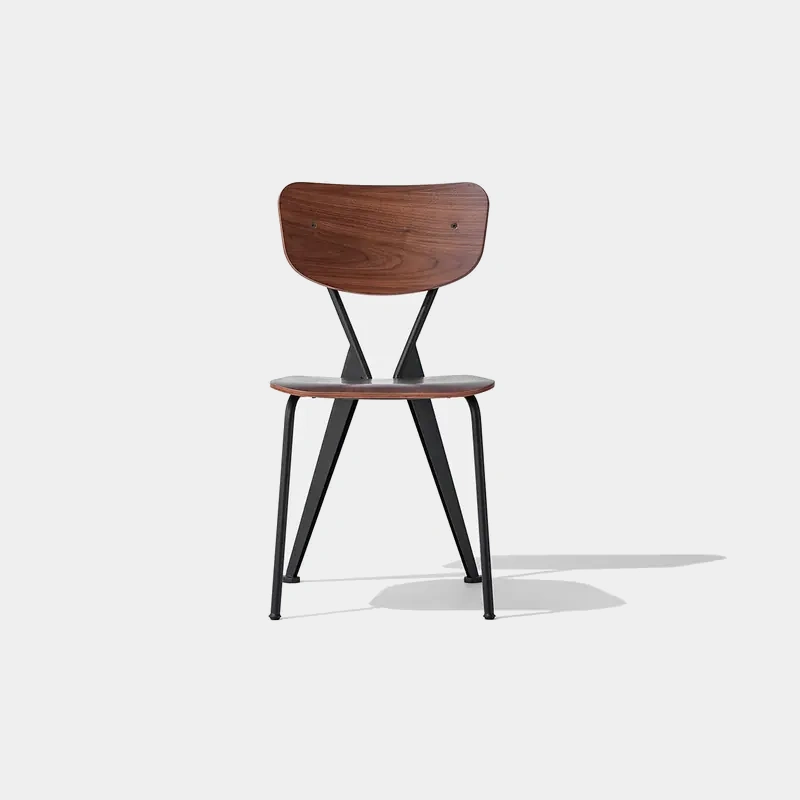
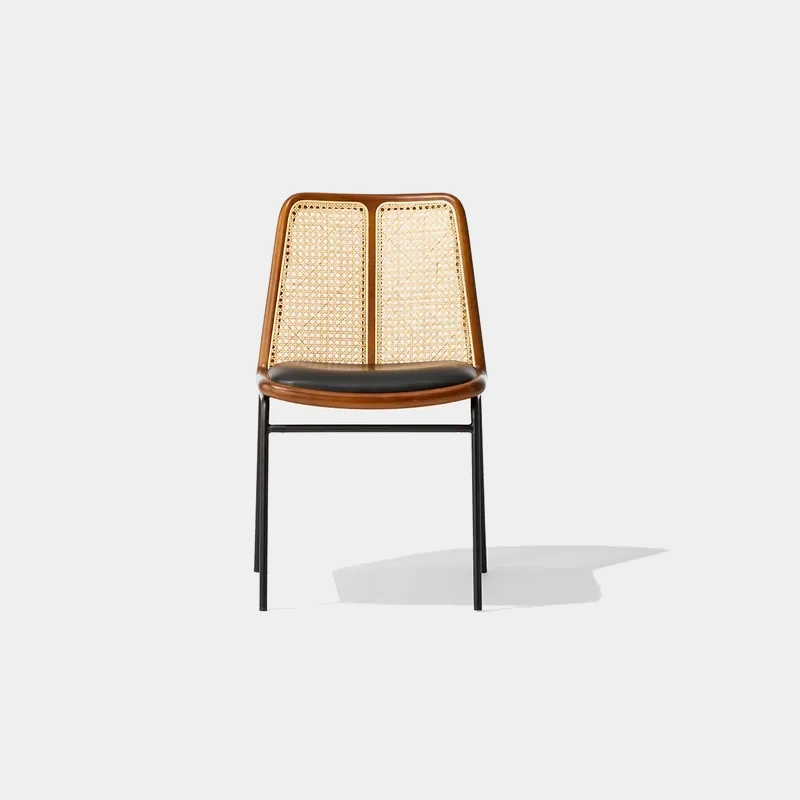
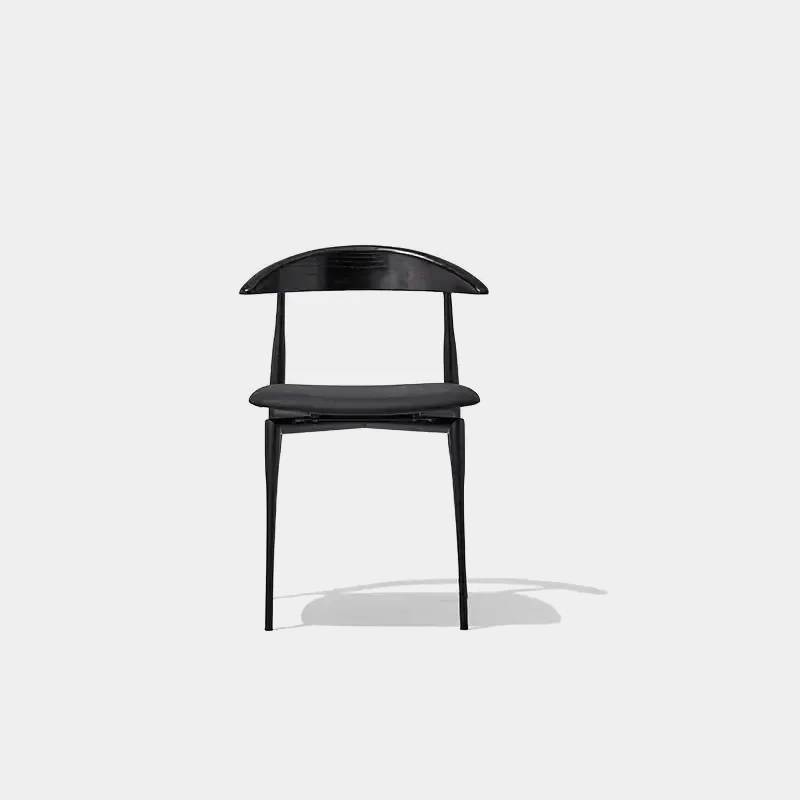
We recommended a restrained chair direction with brown-toned frames and dark seating details. It answered the visual brief in two ways: the frame color related to the surrounding timber, and the darker backs remained distinct against the white linen.
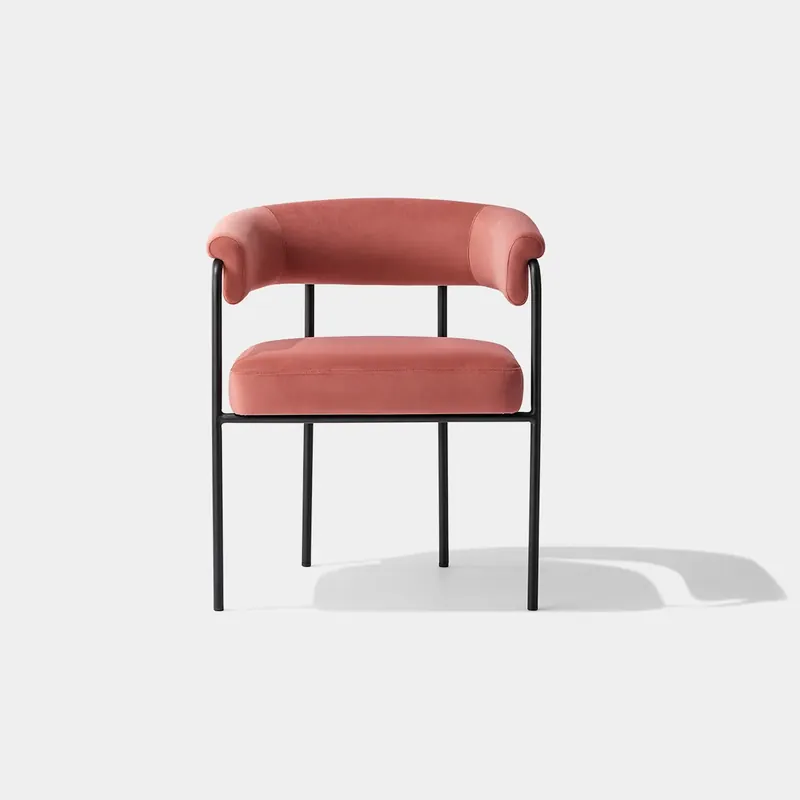
We brought the chair shape, back and frame into the same recommendation. Across a row of tables, those details would be seen repeatedly. Keeping them consistent allowed the chairs to connect the dining settings while leaving the screens and partitions as features of the interior.
Keeping the Tables Connected to the Fixed Seating
Our recommendation treated the table, loose chair and banquette as one seating combination. The fixed seat made the table’s underside and base position relevant to the choice. Those parts affect the space available to the person sitting at the banquette, even when the tabletop appears suitable.
That was the practical reasoning behind considering the furniture together. The table needed to relate to the fixed seat on one side and the movable chair on the other. A coordinated appearance gave the room its visual direction; the seating relationship gave the table selection its purpose.
The resulting furniture direction brought the owner’s preferences into one combination: restrained chair shapes, brown frames, dark seating and tables used within the white-linen presentation. Each part had a role in the room, giving the selection a clear connection to the original request.
The Completed Restaurant
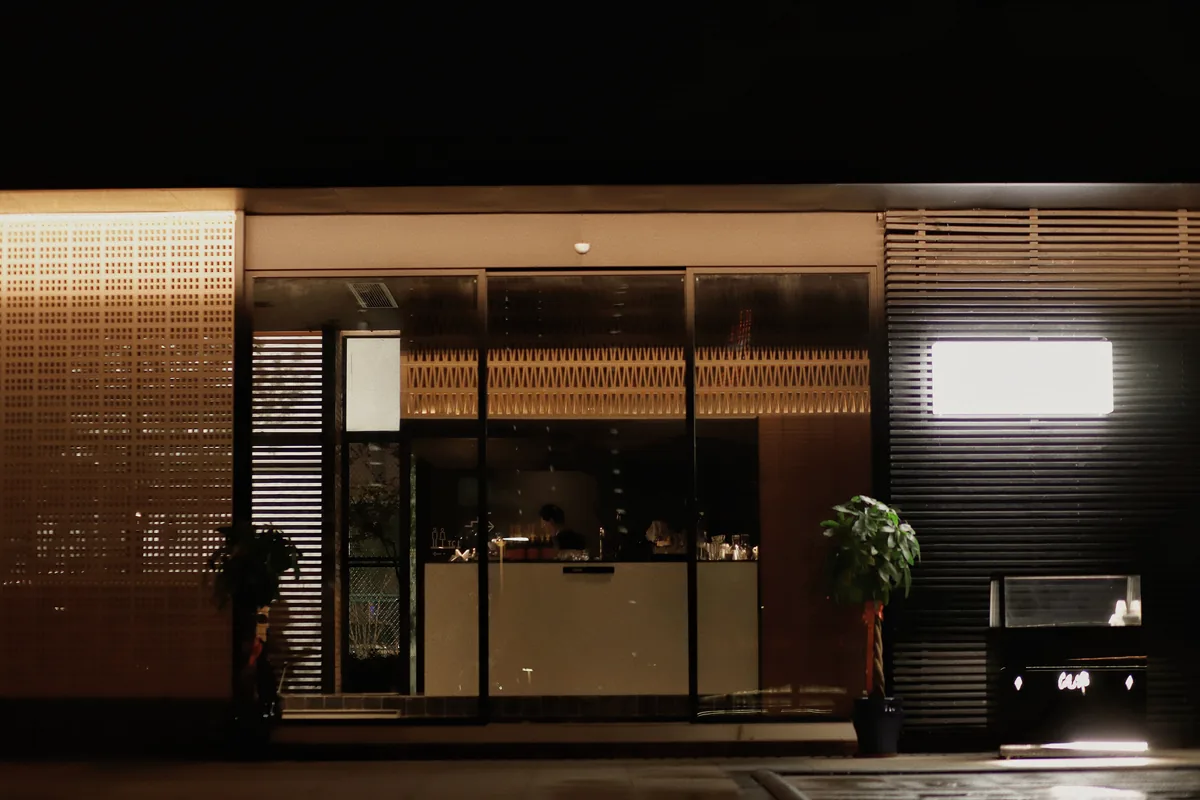
In the completed dining room, the dark chair backs stand out around the white-covered tables. The brown frames sit alongside the timber screens, and the banquette remains part of the arrangement. The furniture carries the room’s existing character through the separate dining settings.
Explore Chairs and Tables for Your Restaurant
This project brings two product groups together: seating that contributes to the interior and tables that work with the surrounding seats. You can explore both through the YeZhi collection.
Restaurant Chairs
Browse our restaurant chairs for designs to compare with your room’s palette and dining style. When building a shortlist, bring the chair shape, frame finish, seat covering and dimensions into the same choice.
Restaurant Tables
Explore our restaurant tables alongside your seating selection. For a room with fixed benches or banquettes, include the table base and underside in that comparison as well as the top size and finish.
Tell Us About Your Restaurant Project
Choosing furniture for a new restaurant or working around an existing interior? Send us your floor plan, photographs of the space and links to the designs you like. Include any fixed seating, finish preferences and delivery requirements. We can help you narrow the chair and table options and discuss a furniture proposal for your project.
Frequently Asked Questions
What information should I send for a restaurant furniture inquiry?
Send a floor plan, photographs of the space and your preferred designs. Identify existing furniture and fixed seating, then add finish preferences, the delivery destination and your schedule. These details help connect the product selection to the room you are furnishing.
How should I choose a table beside an existing banquette?
Compare the banquette and table together in side view. Include fixed seat height and depth, tabletop height, the lowest obstruction below the top and the base position. Review where the guest’s legs will sit and how the loose chair works on the opposite side.
How do I specify the seat covering and frame finish?
List the selected model, covering material and finish reference together. Include your intended cleaning routine and any material requirements. Use the proposed material information and care instructions alongside the finish sample when comparing options.
Can I discuss samples before placing a furniture order?
Ask about sample arrangements for the shortlisted models before confirming the order. Request the available finishes, sample cost and preparation time. Keep the sample reference tied to the proposed model and material so the quotation describes the option you reviewed.
What should be agreed for delivery to New York?
Agree on the delivery scope, receiving arrangements and access route. Include the unloading point, doorway and lift or stair access, and the route into the restaurant. Where access is restricted, ask for packed dimensions and clarify which handling tasks are included.
What should the final quotation include?
The quotation should identify the models, quantities, materials, finishes and agreed delivery terms. Check that dimensions and finish references match the selected products. List sample costs or additional handling separately so the scope of the order is clear.