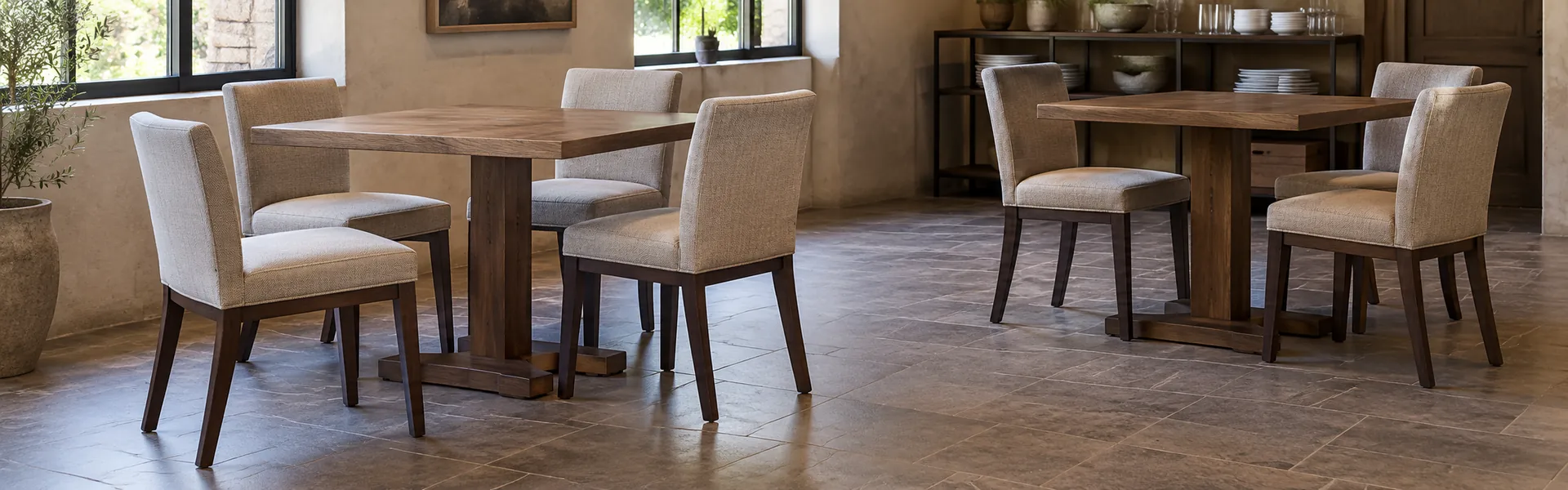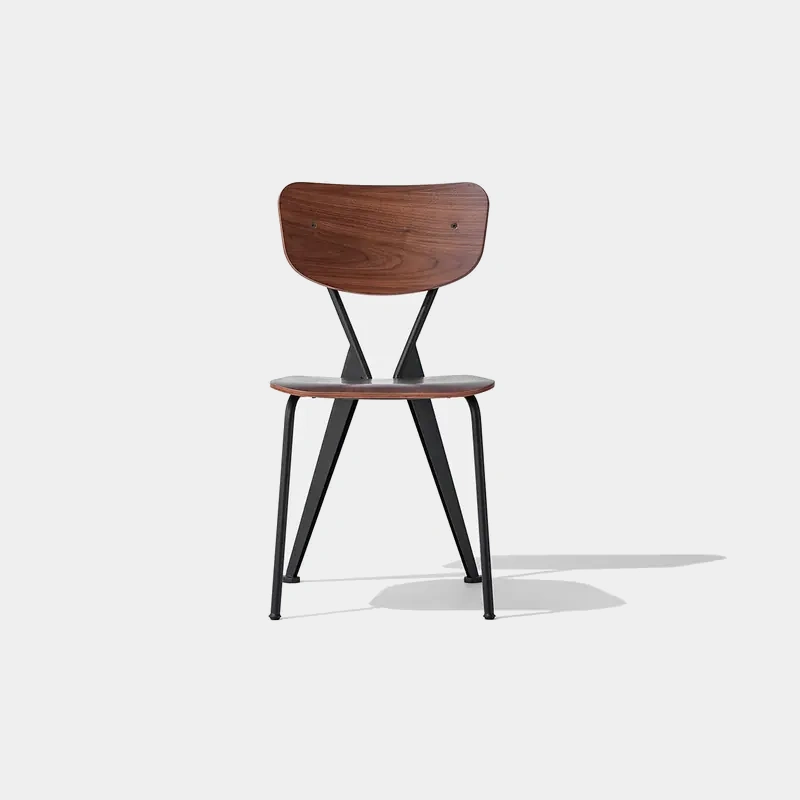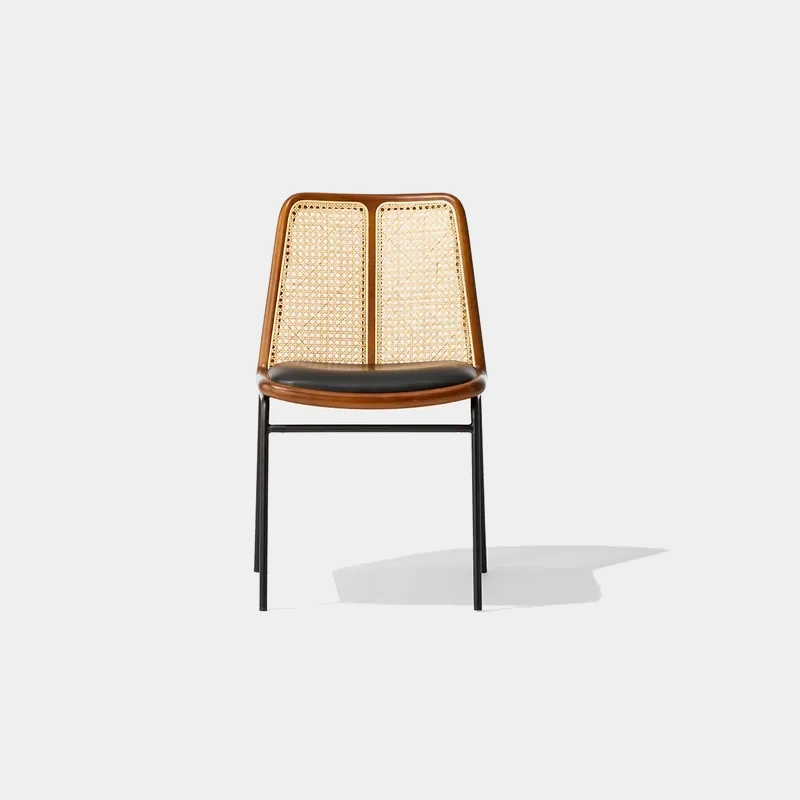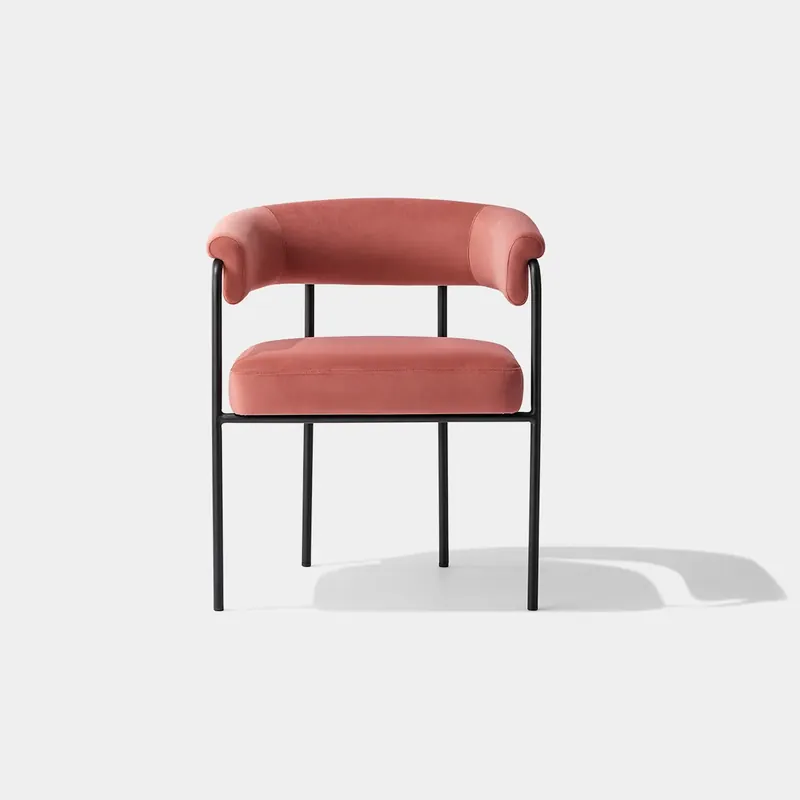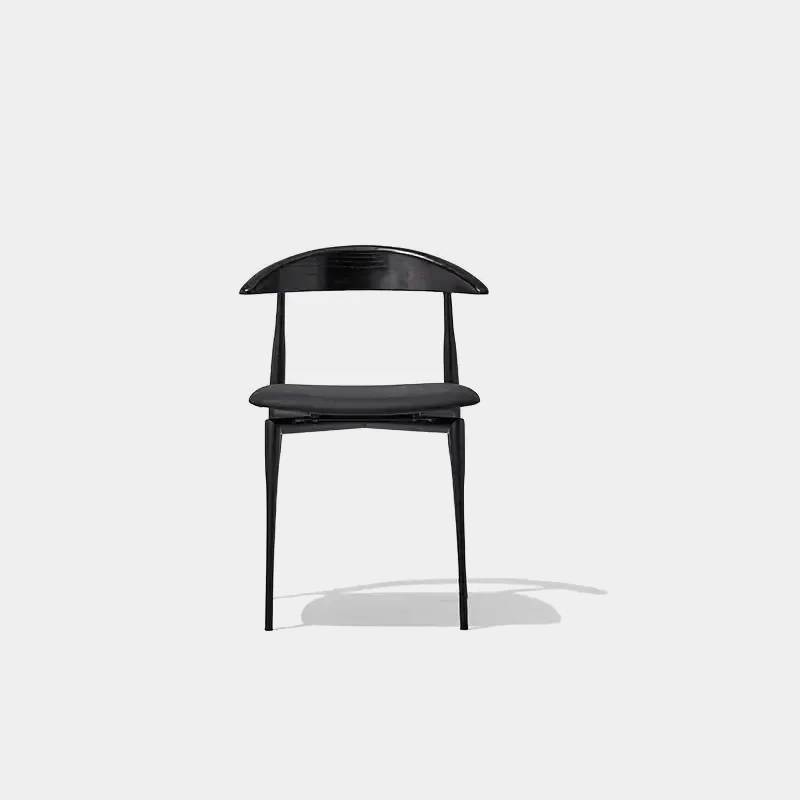
Choose OEM furniture manufacturing when you already control the design and need a factory to make it. Choose ODM furniture manufacturing when you want the supplier to provide or develop the design. For a first wholesale range, start with an existing ODM model if its shape and construction already meet your needs. Move to deeper development when a specific size, function or original design is essential.
The useful question in OEM vs ODM furniture is how much design work remains, who will do it and what you need to own. Your logo, order size and choice of fabric do not settle those questions. Here is how to turn the two labels into a workable furniture order.
What is the difference between OEM and ODM furniture?
The main difference is who leads the product design: the buyer in an OEM arrangement, or the supplier in an ODM arrangement. OEM stands for Original Equipment Manufacturer; ODM stands for Original Design Manufacturer. In furniture sourcing, the terms describe how design and manufacturing work are divided.
With OEM, you might supply dimensioned drawings for a dining chair, a material specification and a sample you have the right to reproduce. The factory turns that design into a repeatable manufacturing process. It may still help resolve joints, hardware and assembly details.
With ODM, you can choose a supplier’s existing chair and select suitable finishes, upholstery and branding. You can also commission the supplier to develop a new design from your brief. An existing ODM design can save development time; a new ODM design still needs design work and prototypes.
| Decision | OEM furniture | ODM furniture |
|---|---|---|
| Starting design | Your controlled design or specification | A supplier’s existing design or supplier-led new design |
| Your main input | Drawings, materials, required function and approval criteria | Model choice or development brief, intended use and target cost |
| Development work | Depends on how complete and manufacturable your design is | Lower for an unchanged existing model; greater for a new design |
| Branding | Your label and packaging can be specified | Your label and packaging can be specified |
| Design and reuse rights | Define existing rights, new work and permitted use in writing | Define access to the base design, new work and permitted use in writing |
| Quality control | Build and inspect against the agreed specification and sample | Build and inspect against the agreed specification and sample |
Private label furniture describes whose brand appears on the product. It can sit on top of either arrangement. A branded carton does not tell you who designed the chair, who owns its drawings or whether another buyer can order the same frame.
Which furniture manufacturing model should you choose?
Start with the product that already meets your requirements, then pay for the development you actually need. Use your must-have features to separate a useful custom change from a change that adds cost without improving the range.
Choose OEM when your design must lead
Choose OEM if you have a defined product that must match your collection, fit a specific layout or deliver a function an existing model cannot provide. For example, an original chair with a particular arm profile and footprint needs controlled drawings; choosing a vaguely similar catalog chair will not solve that requirement.
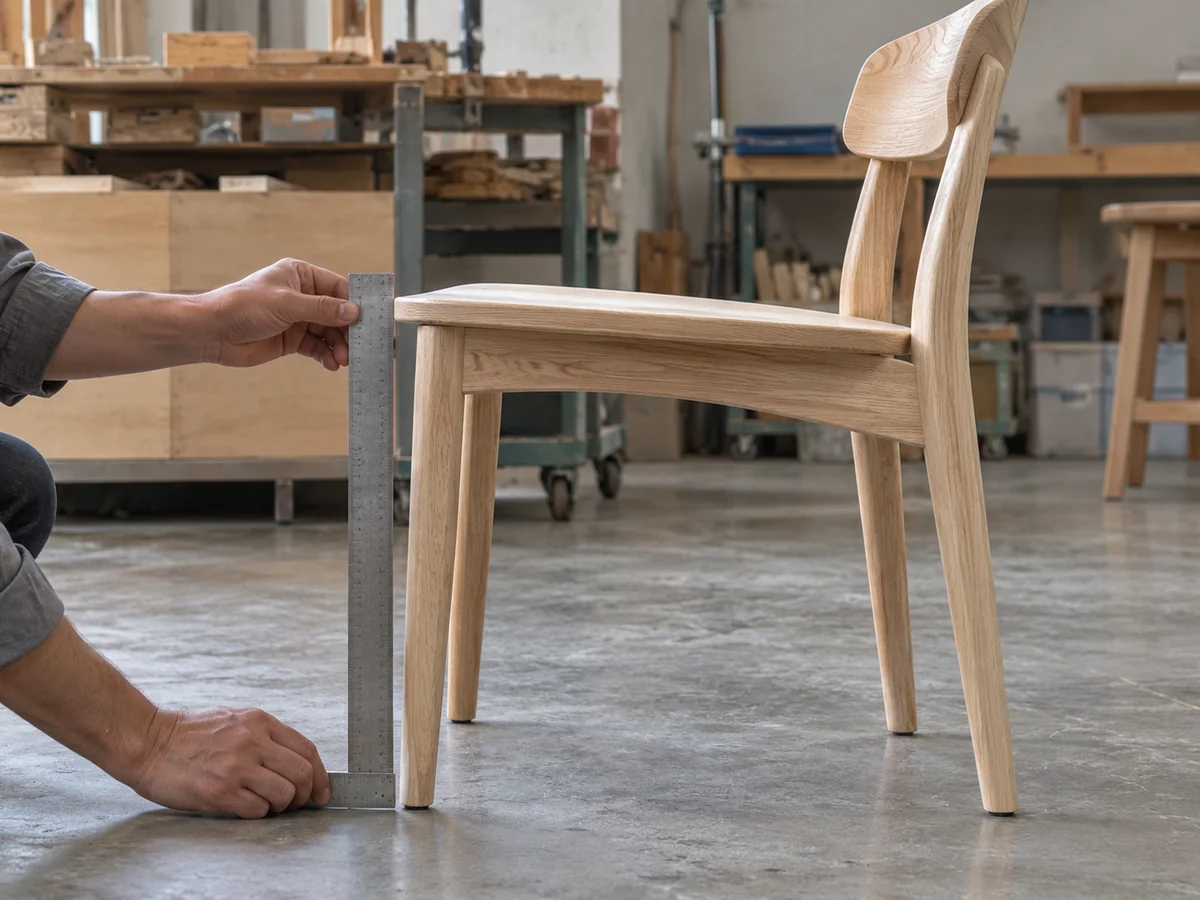
Before quoting, mark which features are fixed and which the factory may adjust. You might hold the overall width and visible profile while allowing a different hidden fixing. This gives the production team room to improve assembly without changing the product your customers expect.
Start with an existing ODM model when the product already fits
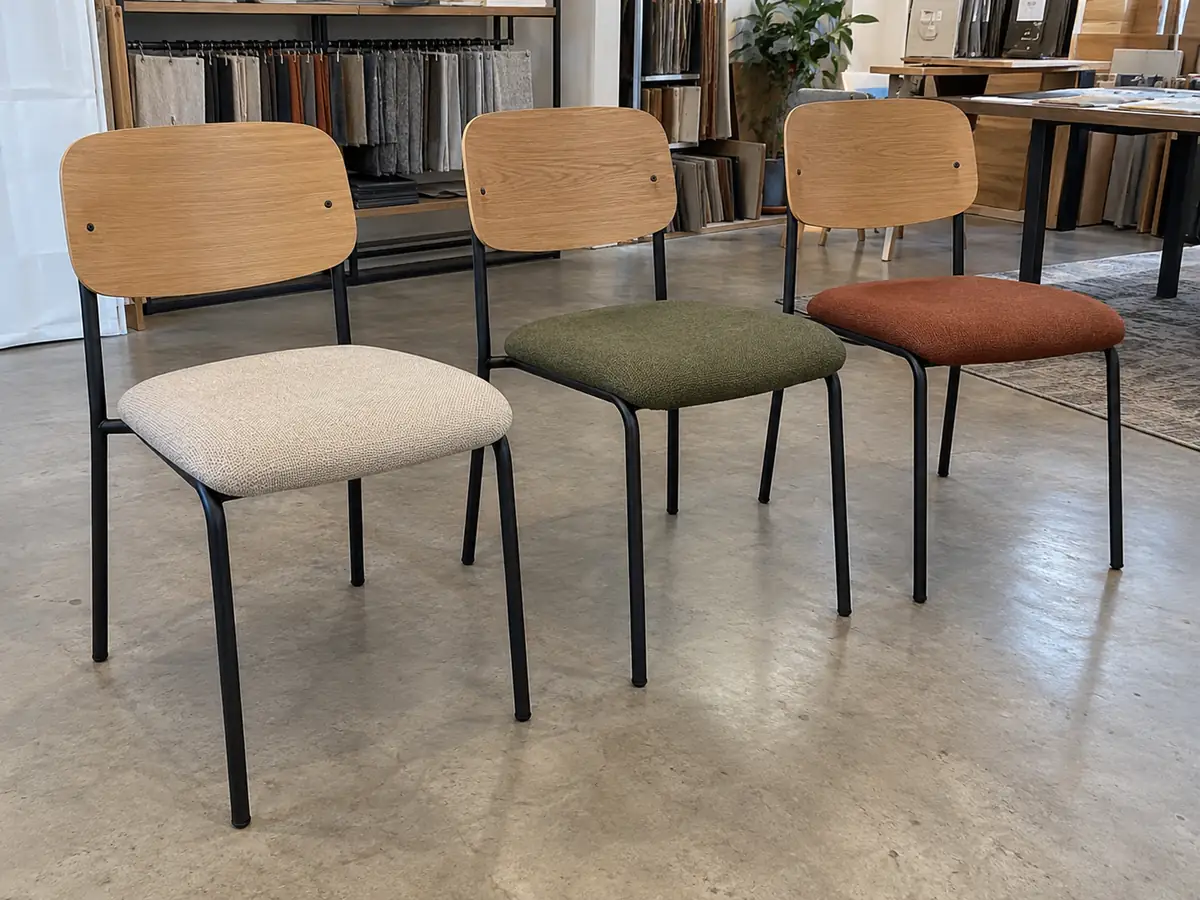
Choose an existing ODM model when you want to test demand or add a category and the basic structure already works. Develop the range through compatible upholstery, finishes and a clear brand presentation before funding a new frame.
A smaller trial is useful only if it can be reordered on workable terms. Ask how the chosen material, color and model will be identified on future orders. If your launch depends on exclusive geometry, move beyond a shared catalog design and settle the development scope and rights first.
Use supplier-led development when you have a concept
If you have a mood board and a target customer but no production drawings, ask for design development rather than a build-to-drawing quote. Agree who will produce the drawings, resolve construction, make samples and approve changes. This can be an ODM development project even when the finished furniture is unique.
For a tight opening date, compare the new idea with a suitable existing model in parallel. If the new version still needs major comfort or construction changes, use the existing model for the opening and develop the signature version for a later order.
What furniture changes add development work?
A change adds development work when it alters how the furniture is built, used, tested or packed. Changing a color is different from widening a chair, but even a new fabric needs a sample check for appearance, sewing and the intended use.
- Finish or upholstery color: approve a physical reference. A screen image does not give the factory a dependable reference for texture, tone or sheen.
- Fabric, foam or timber: review the actual material specification. A similar appearance can hide different stretch, thickness, firmness or joint behavior.
- Seat width, depth or height: revise the drawing and check comfort, table clearance, stability and carton dimensions. A wider seat can also change the frame and upholstery patterns.
- Legs, joints or removable parts: review the load path, fixings and assembly. Recheck the revised product against the agreed strength and durability requirements.
- Stacking or nesting: check where frames touch, whether upholstery rubs and how the stack is handled. A chair that can rest on another chair is not automatically ready for repeated stacking.
For example, suppose you like a dining chair but need it wider. First check whether the existing overall width actually causes a problem for your users. If it does, ask for a revised drawing and sample, then review the new carton. Increasing width can reduce the quantity that fits in a shipment even if the factory’s piece price barely changes.
Describe the requested change before deciding what to call the order. A modified supplier model can combine an existing frame with new buyer-specific parts. Record which parts remain standard and which need development, so a small-looking change does not disappear into a general customization charge.
How should you compare cost, MOQ and lead time?
Compare the same finished specification and delivery scope at the quantity you can realistically order. Separate one-time development from repeat production, then check how materials, packing and approvals change the result.
Compare the full first-order cost
Ask for separate lines for design or engineering, samples and revisions, tooling, testing, unit production, branding and packing. Add freight, duties and destination costs on the same basis for both options. Check whether any development charge is already included in the unit price before adding it again.
For a simple comparison, suppose two acceptable chair options have these manufacturing and development costs: an existing ODM model costs $70 per chair plus $200 once; an OEM version costs $64 per chair plus $2,000 once. All figures below are assumed inputs for this example, before freight, duties and other costs.
| Order quantity | ODM subtotal | OEM subtotal | Lower subtotal |
|---|---|---|---|
| 100 chairs | $200 + 100 × $70 = $7,200 | $2,000 + 100 × $64 = $8,400 | ODM by $1,200 |
| 300 chairs | $21,200 | $21,200 | Equal |
| 600 chairs | $42,200 | $40,400 | OEM by $1,800 |
The example reaches equal cost at ($2,000 − $200) ÷ ($70 − $64) = 300 chairs. For a 100-chair demand test, the existing model has the lower subtotal. At 600 chairs, the OEM option wins on these costs. Use confirmed quantities for your cash plan; expected future reorders are a separate scenario. If OEM has no unit saving, there is no cost crossover from higher volume alone.
Ask for MOQ by model and finish
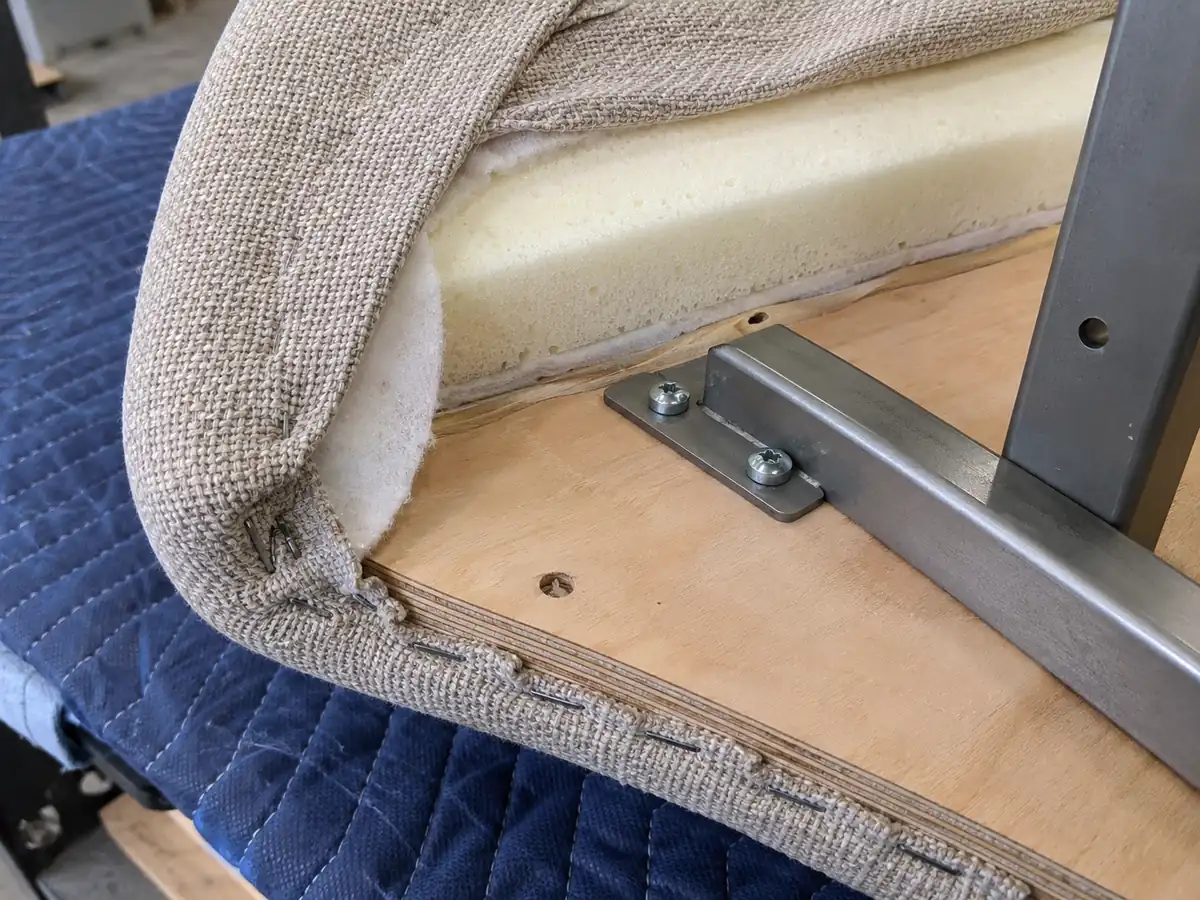
The minimum order quantity, or MOQ, can come from frame setup, fabric purchasing, finish batches or a custom component. Ask for the minimum per model, per color and per material, plus the minimum for a reorder. A mixed shipment may meet the shipping plan while still falling short of a fabric mill’s minimum.
Plan backward from sample approval
Get separate dates for drawings, material availability, sample completion, revisions, testing, bulk production and shipping. Ask which dates depend on your approval and which tasks can run together. A quoted production period that begins after sample approval leaves the whole development period outside that number.
If the deadline cannot move, keep approved materials and an existing structure wherever they meet the brief. A new fabric with a long supply time can remove the speed advantage of an otherwise ready ODM model.
Who owns the design, tooling and sales rights?
Set out ownership, access and exclusivity separately in the agreement. The words OEM, ODM and private label do not settle all three. Paying for a sample or a mold also leaves questions about drawings, reuse and access that need their own terms.
WIPO’s guidance on supplier IP agreements separates the intellectual property each party brings from the new work created during the project. It recommends clear terms for ownership, use, confidentiality and what happens when the relationship ends. Apply that distinction to the actual furniture and files:
- Existing designs: identify your original drawings and any supplier-owned base frame, pattern or component.
- New work: name the owner of revised drawings and newly developed design elements, and record permitted use.
- Tooling: list the molds or jigs, who pays, who owns them, where they stay and the agreed access, maintenance and transfer arrangements.
- Exclusivity: define the product or configuration, territory, sales channels, duration and any purchase commitments.
- Continuity: agree which drawings, specifications and other files you receive if supply ends.
If you only need an exclusive upholstery combination in one market, negotiate that scope. Buying worldwide exclusivity for the whole base chair may add cost without helping your sales plan. If the original shape is central to your brand, settle its permitted use before detailed development begins.
A confidentiality agreement controls disclosure; ownership and permission to manufacture need explicit terms too. Use the supplier IP guidance as a starting point for that discussion, then have important rights terms drafted for the countries and parties involved.
How do you move from a brief to repeat orders?
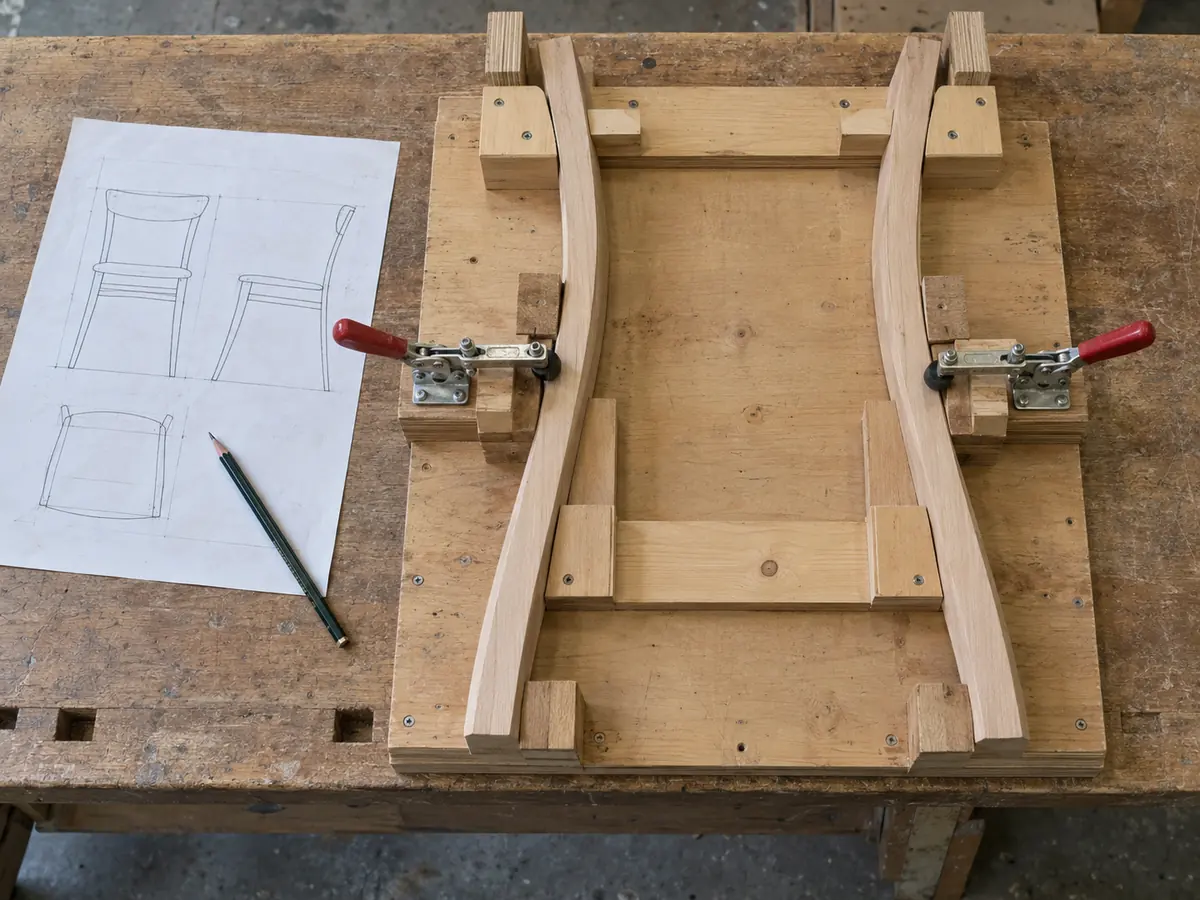
Turn the starting design into one approved specification, then use that same reference for samples, production and reorders. Keep the drawing, material list and sample consistent so different teams are not working from different versions.
- Write the brief. State the intended use, destination, quantities, overall dimensions, seat dimensions where relevant, materials, target cost and required arrival date. Mark fixed features and optional changes.
- Assign the work. Name who prepares production drawings, resolves construction, approves comfort and appearance, arranges testing and approves packaging. Agree sample fees and revision terms before work starts.
- Approve the specification and physical references. Use a dated drawing revision, a bill of materials listing the components, and identified finish and upholstery samples. Resolve contradictions before the prototype is made.
- Review the finished sample. Check dimensions, seat feel, finish, assembly and the functions in the brief. Agree the strength, durability and market-specific evidence needed for the actual construction. Record corrections and approve the corrected version.
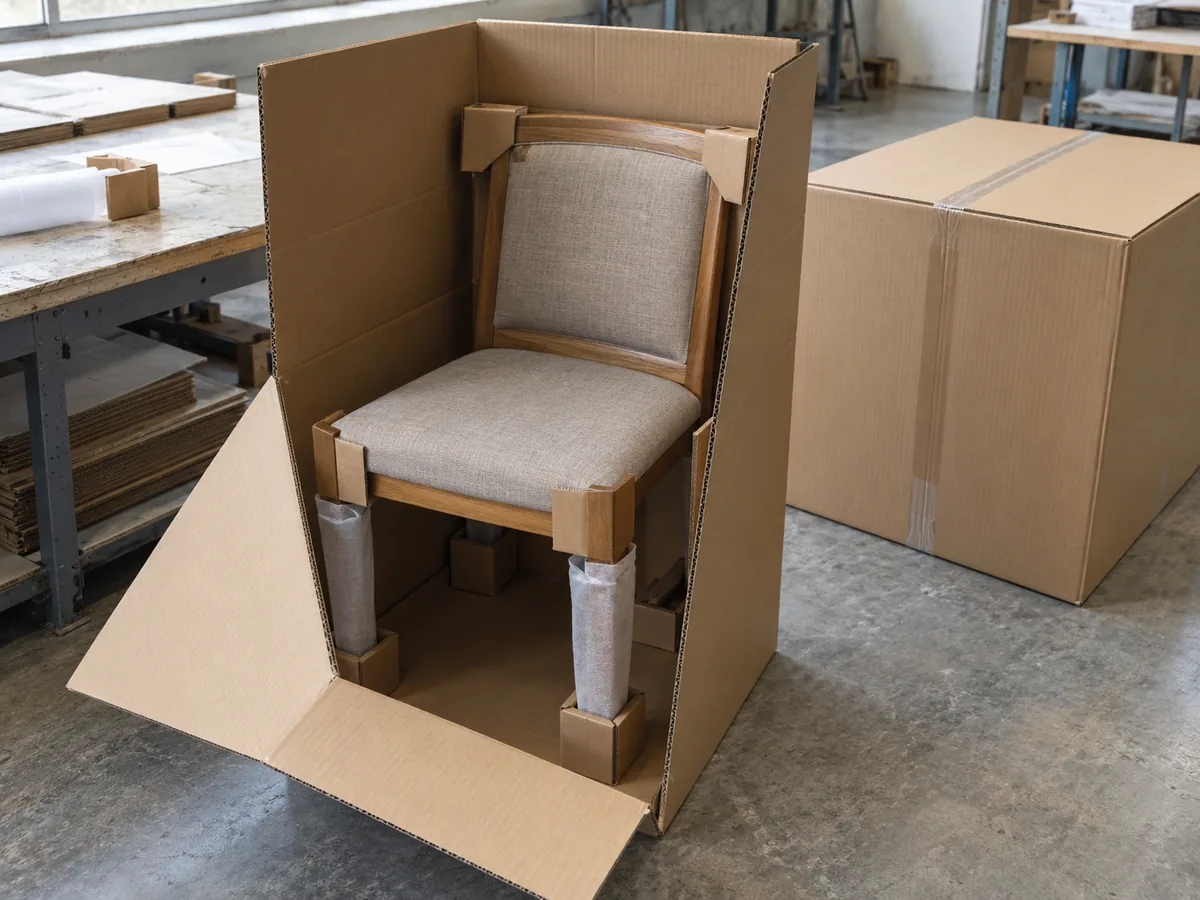
- Approve the packing. Check assembly state, carton dimensions, protection, hardware, instructions and labels. For a changed size or frame, review packing again rather than reusing the old carton specification.
- Release production and control reorders. Identify the approved sample and specification on the order. Agree inspection and defect handling. Keep the references available for later batches and require approval for proposed substitutions.
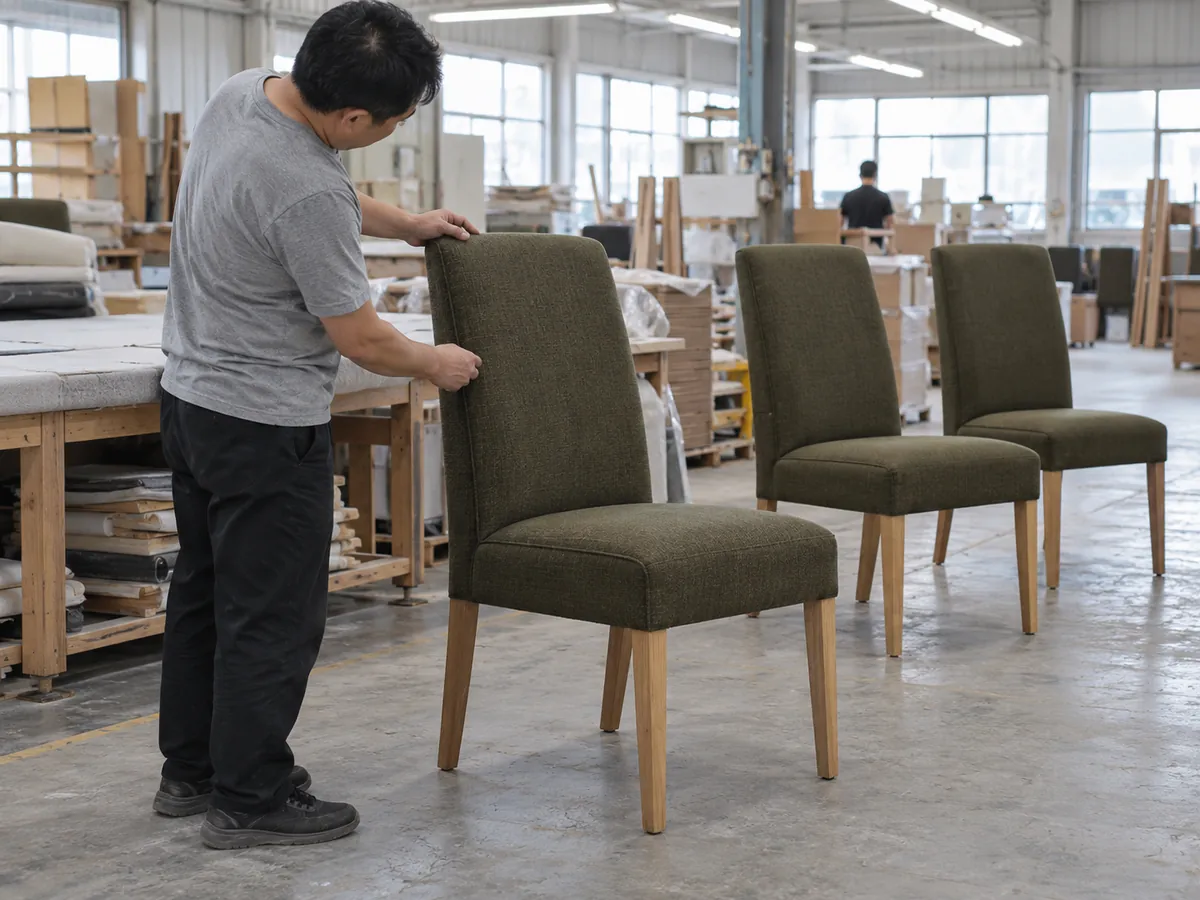
For upholstered furniture intended for the U.S., CPSC’s upholstered furniture guidance explains the applicable smolder-resistance requirements under 16 CFR part 1640, including material combinations and exemptions. Changing the cover, filling or barrier can affect which supporting records apply. Match the proposed construction to the relevant evidence before approving the substitution.
When a sample fails a requirement, correct that requirement before releasing the affected production. If the chair is the wrong height, revise the drawing and sample. If the finish differs, replace the finish reference. If structural performance is unresolved, complete the relevant engineering review and testing. Approving a photograph for color does not close a different construction issue.
Choose the least development that meets your goal
For OEM vs ODM furniture, let the required product decide. Start with an existing ODM model when it already fits. Use OEM when your controlled design needs to lead. If you have an idea rather than a finished design, define a supplier-led development project and budget for the work still to be done.
At YeZhi Furniture, our dining chair range gives you existing models to review before deciding how much customization is useful. We support OEM/ODM work on finishes, materials, packaging and branding, with samples arranged according to the model and development requirements.
Send a selected model or your drawings, the changes you need, quantity by finish, intended use, destination and target arrival date. Use our contact form for the brief, or email drawing files and material references to info06@hkmsdesign.com. These details let us discuss a suitable starting point and the remaining development work.
Frequently asked questions
Can I start an OEM furniture project with only a reference photo?
Yes, as a development starting point. Add the overall width, depth and height, seat dimensions, intended materials and the features you need. A photo leaves joints, hidden construction and tolerances unresolved. Have those turned into drawings and an approved sample before production, and establish permission to use any protected design.
Can I start with ODM furniture and develop an OEM version later?
Yes, if the next version and the rights to develop it are agreed. Keep the original model reference, record your requested changes and create a separate approved specification for the new version. Agree which base elements stay with the supplier and how the new drawings and design elements may be used.
Does adding my logo make an ODM chair exclusive?
No. Branding identifies the seller; exclusivity needs a separate agreement. Specify whether you need exclusive use of the whole model, a material combination or a market. Approve the label and carton artwork while retaining any product markings required in the destination market.
What if the factory proposes another fabric after sample approval?
Hold production of the affected version until the change is reviewed and approved. Compare the new fabric’s specification, appearance, sewing behavior and relevant test records. Request a new swatch or finished sample as the change requires, then update the material list and approval record before release.
Does paying for a furniture sample commit me to a bulk order?
The sample agreement should state any later order commitment. Before paying, agree the sample price, included revisions, shipping, ownership of the sample and whether any fee is credited against a future order. If you are only evaluating the product, put that purpose in the sample order.