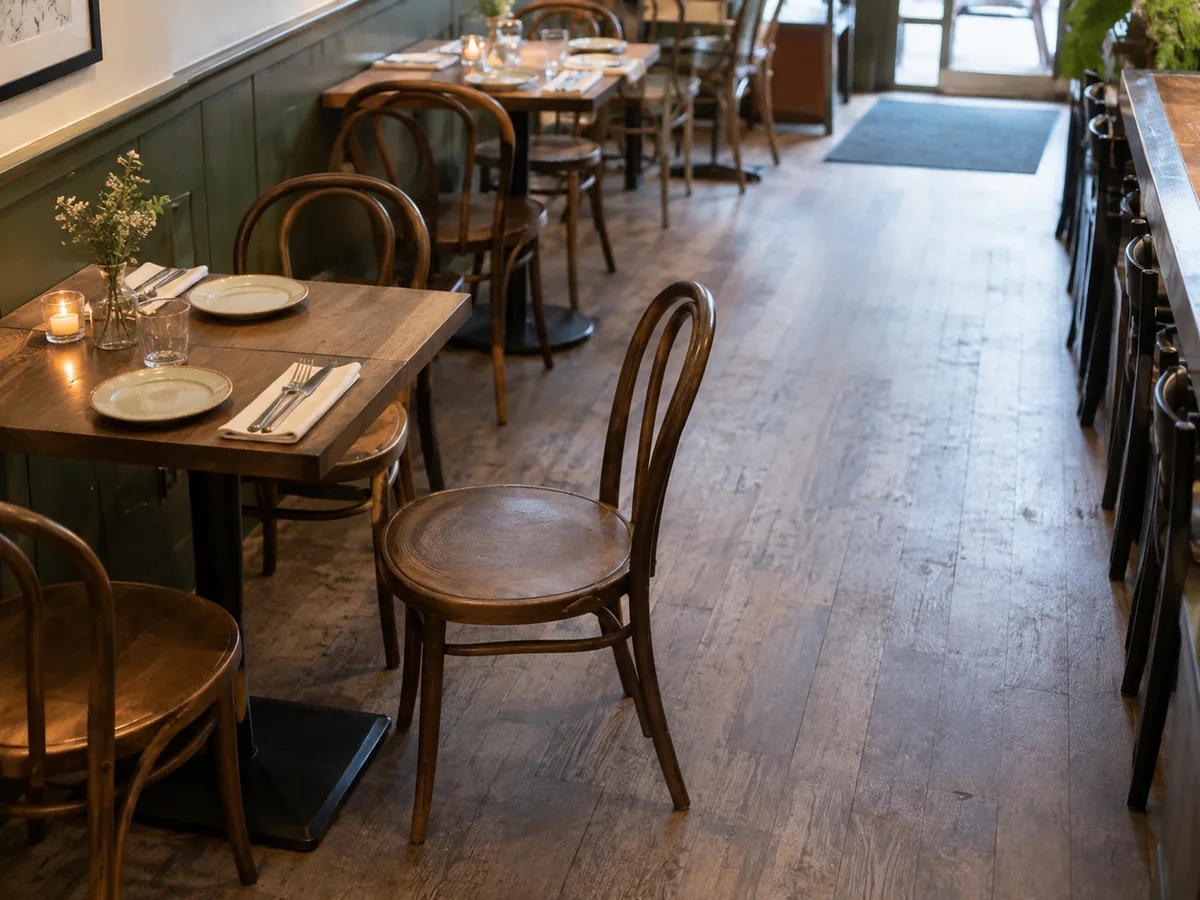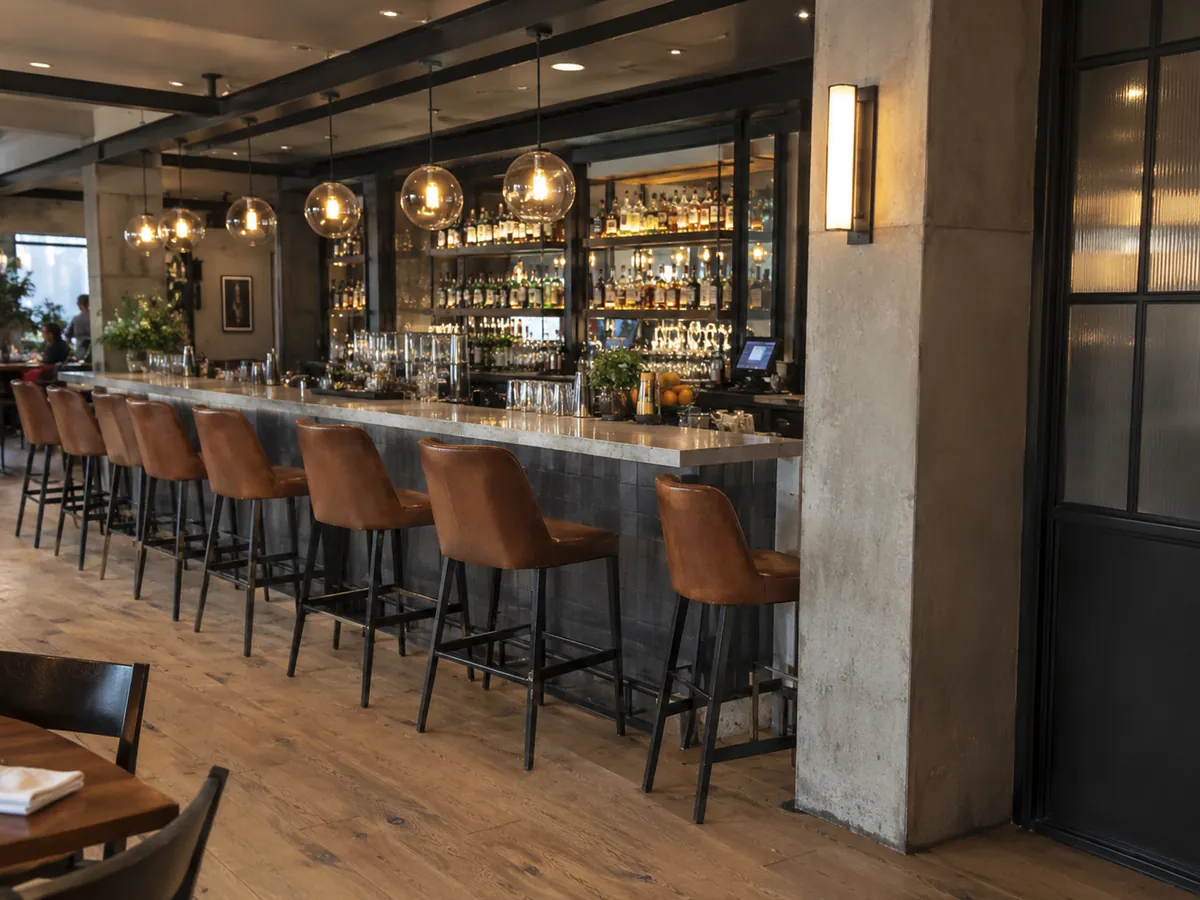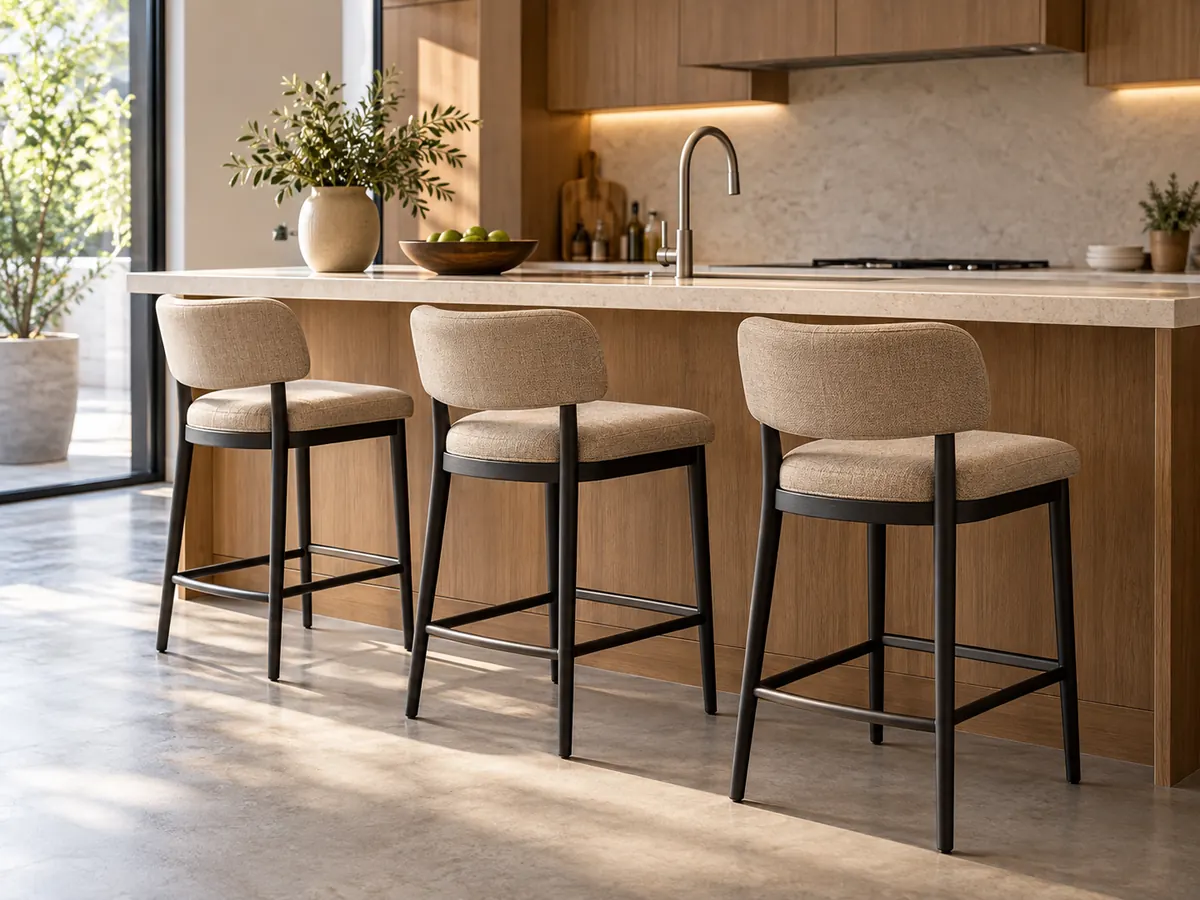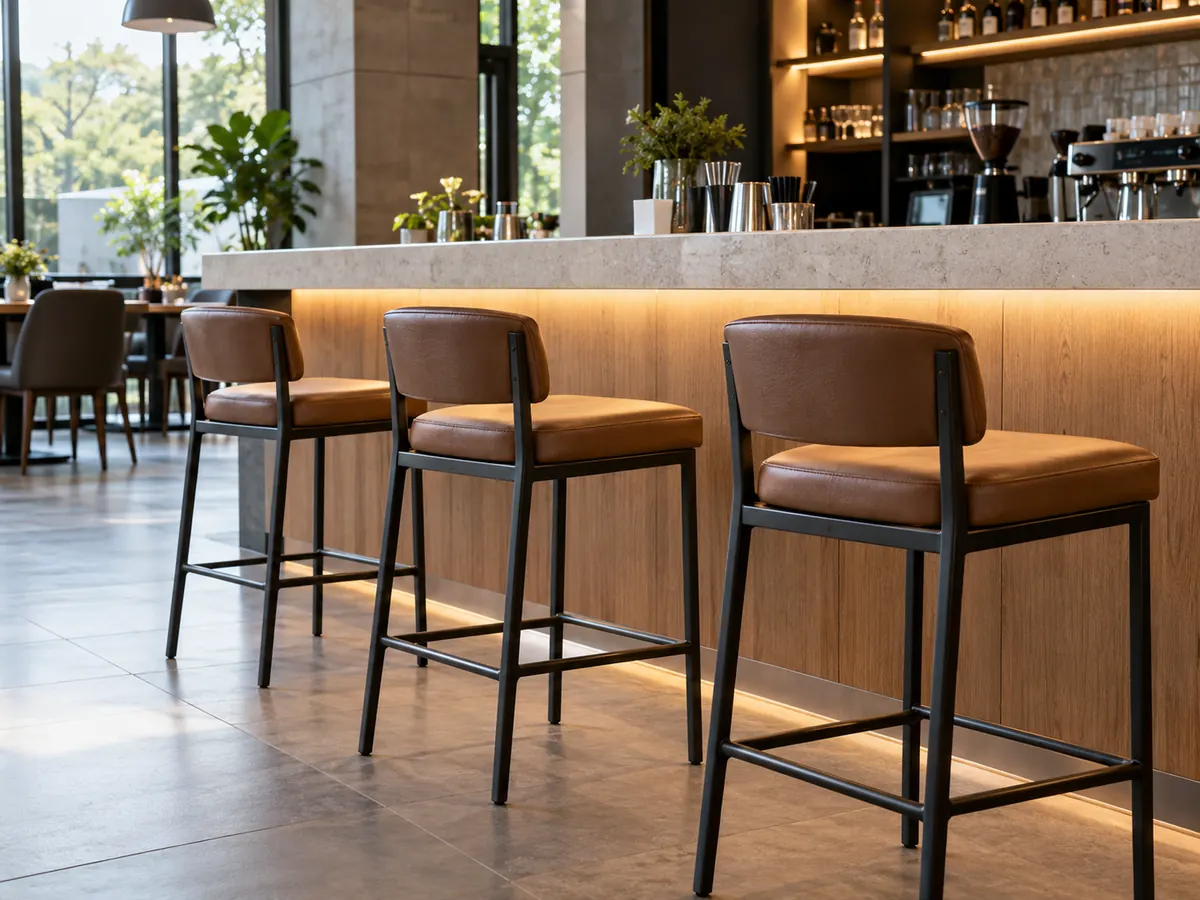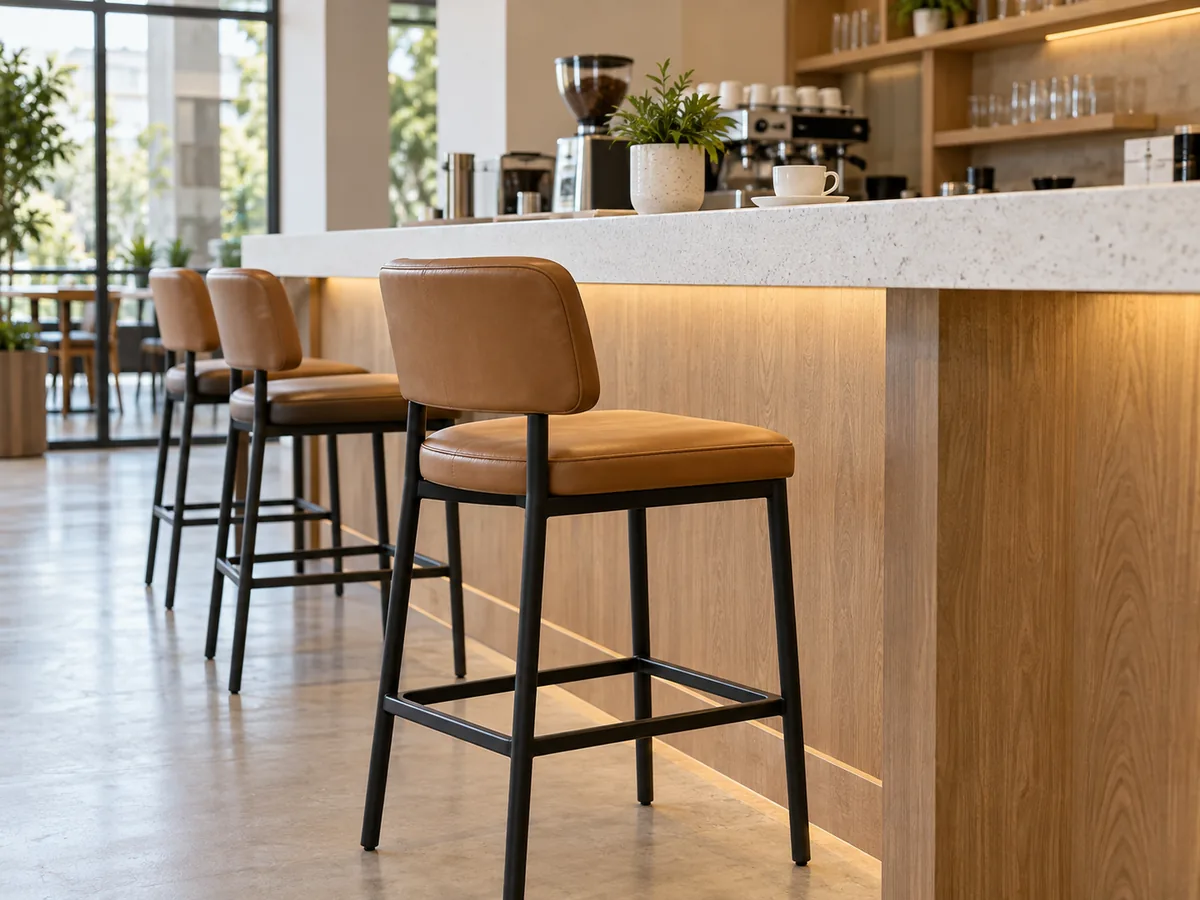
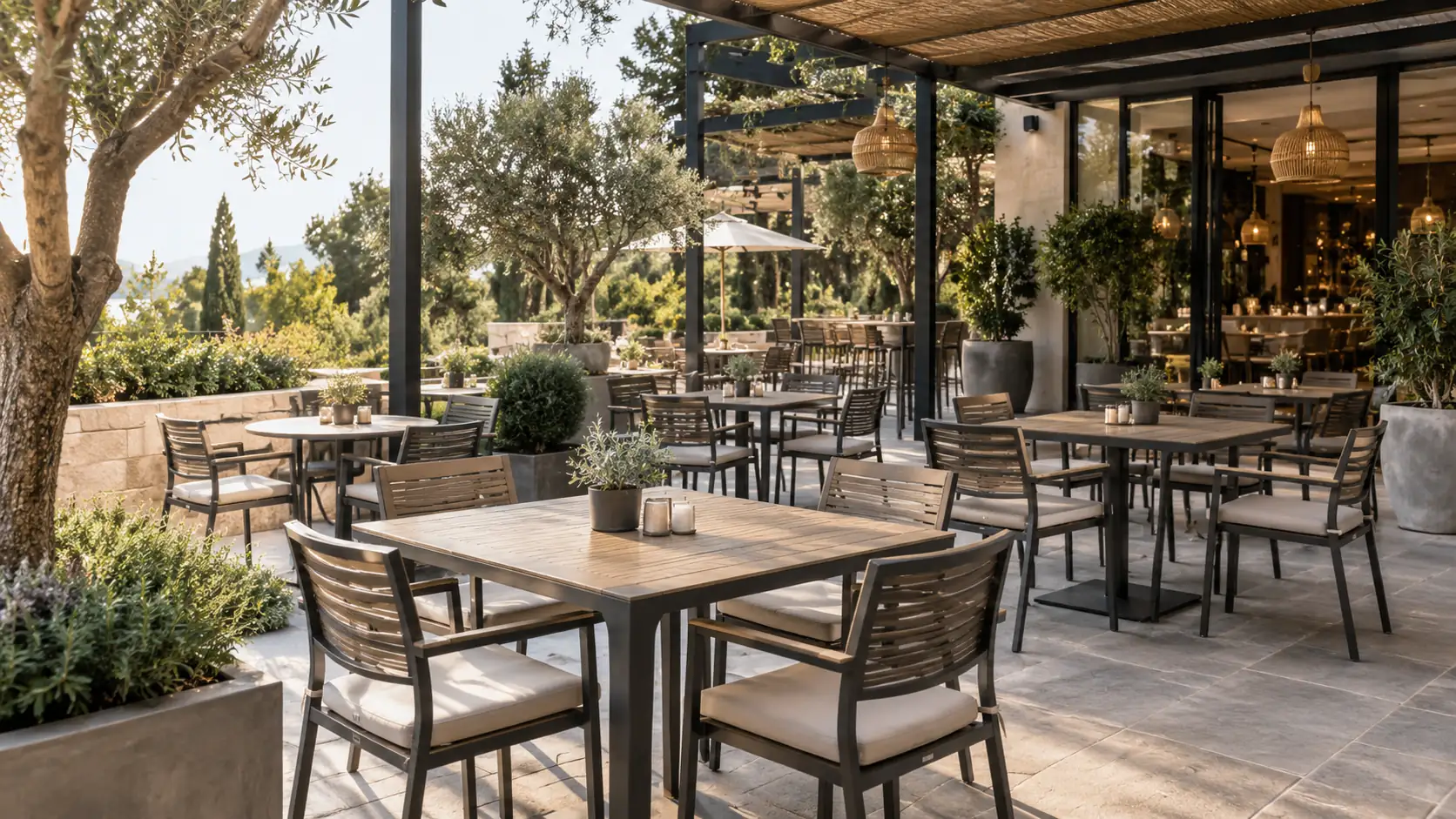
For most restaurant, café and hotel outdoor dining projects, we recommend starting with a powder-coated aluminium frame specification, then changing the material or finish route when the site has coastal salt, pool chemicals, frequent direct rain, strong wind, freezing conditions or a deliberate natural-wood design requirement.
The best outdoor garden furniture is not the set with the strongest marketing label. It is the furniture whose frame, finish, joints, drainage, floor contacts, dimensions and maintenance plan match the real exposure and service pattern.
Main risk: ordering an “outdoor” model before the exposure class and sample checks are clear. Next action: send us the venue type, exposure, quantity, table and seating format, destination market and required documentation so we can narrow the specification before quotation.
For restaurants, cafés, hotels and other high-use outdoor spaces, the best garden furniture is selected by exposure, material, layout and maintenance—not style alone. This guide starts with broad best-use directions, then shows how we narrow them for commercial sourcing, sampling and bulk orders.
Best outdoor garden furniture at a glance
For most commercial outdoor dining projects, powder-coated aluminium is our best all-round starting direction. Change that direction when the venue needs a different weight, natural material, comfort profile, storage format or a more demanding environmental specification.
Powder-coated aluminium
Useful for many restaurant patios and hotel terraces because it supports practical handling and broad styling.
Change when: salt, pool chemicals, high wind, finish demands or project rules require another route.
Suitably protected steel
Consider it when weight, structure, styling or commercial price makes steel the better fit.
Change when: the exposure or protection system is not appropriate for the site.
Project-approved wood
Teak or another confirmed wood route can suit hospitality spaces that want a warmer natural appearance.
Change when: the maintenance plan, weather exposure or appearance tolerance is not compatible.
Woven or mixed-material furniture
Useful for hotels, resorts and relaxed dining areas where texture and comfort matter.
Change when: cleaning, sunlight, attachment points or replaceable soft parts become the limiting factor.
Small-footprint or stackable formats
Useful where a café resets the floor often or storage and circulation matter more than visual mass.
Check: real footprint, stack height, floor contact and table-seat interference.
Project-specific specification
There is no safe material shortcut for continuous salt, splash or chemical exposure.
Check first: environment, finish route, fasteners, joints, maintenance and required documentation.
For commercial outdoor projects, we narrow the shortlist in this order:
The best outdoor dining furniture is the option that survives this sequence with the fewest unresolved project risks—not simply the model that looks most weather-resistant in a catalogue.
Already have a patio layout or product shortlist? Send the exposure, quantity, preferred materials and destination market. We can narrow the frame, finish and sample route before you spend time comparing unsuitable models.
Send Your Outdoor Project DetailsChoose by site exposure before you choose by style
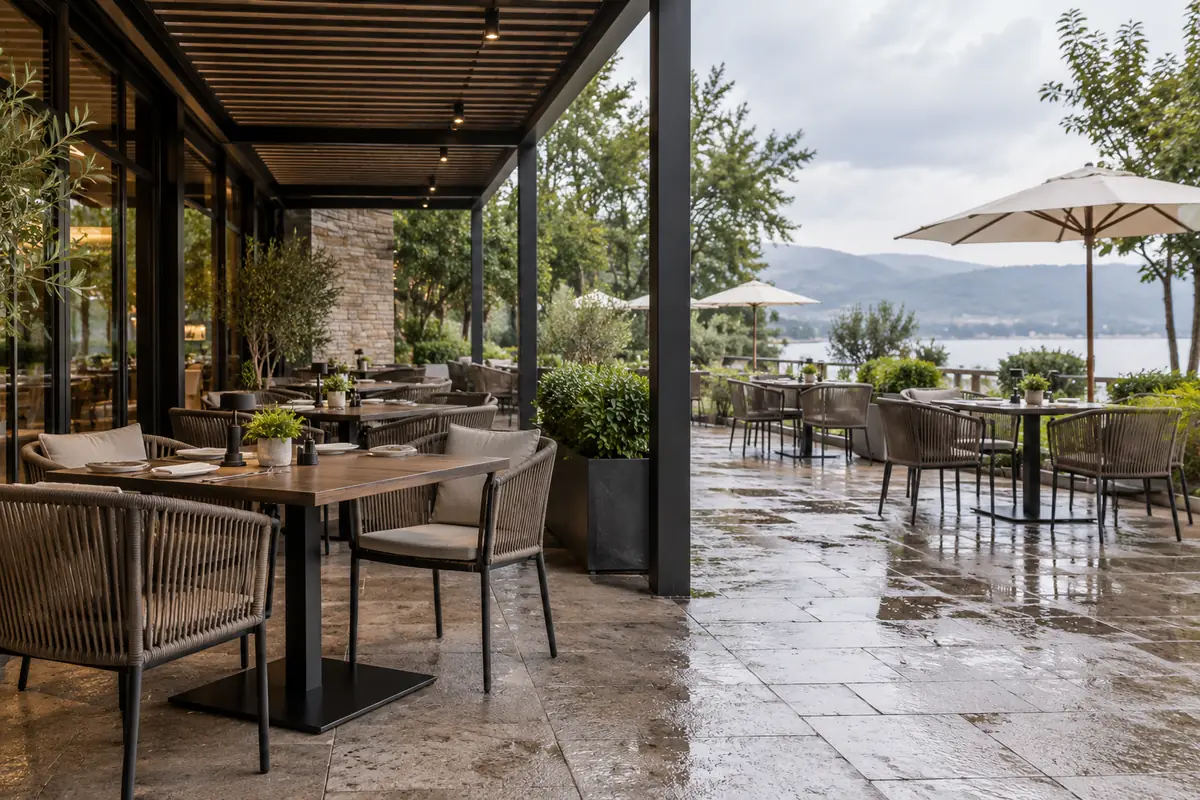
Outdoor furniture lives in very different environments. A covered café terrace and a coastal pool deck may both be called “outdoor,” but they do not create the same requirements for metal protection, drainage, fasteners, timber maintenance or storage.
Start with the site conditions, then confirm the material and finish before you compare the final style. This avoids paying for protection the project does not need while reducing the risk of under-specifying furniture for rain, salt, sunlight, cleaning or storage.
| Commercial setting | Starting direction | What changes the recommendation | What we check before production |
|---|---|---|---|
| Covered restaurant or café patio | Powder-coated aluminium or a suitable coated steel route | Wind exposure, floor slope, cleaning chemicals, storage limits | Finish, glides, table-seat fit, stability and packing |
| Open hotel terrace | Lightweight corrosion-conscious metal specification with controlled drainage | Frequent rain, strong sunlight, high wind, winter storage | Frame and joint details, water-shedding areas, floor contact and maintenance |
| Coastal or poolside area | Separate environment review before selecting a standard model | Salt concentration, pool chemicals, continuous splash, cleaning regime | Material, coating route, fasteners, connections and care plan |
| Natural-look restaurant garden | Teak or another project-approved wood direction can provide warmer aesthetics | Direct weather, finish expectation, colour change tolerance, maintenance frequency | Wood species, finish sample, joinery, moisture-sensitive details and storage plan |
| Small sidewalk café | Compact tables and chairs with practical stacking or storage | Local circulation, table base interference, daily setup and closing routine | Overall dimensions, base footprint, stack height and service aisle |
| Rooftop bar | Do not select by low weight alone | Wind exposure, ballast policy, floor surface, moving/storage procedure | Stability, footprint, handling route and project-specific safety requirements |
A metal frame is not automatically suitable for every outdoor site. For exposed steel, corrosion-control guidance from AMPP highlights both service environment and the need to avoid water traps. We therefore review exposure and structural details together rather than treating the coating name as the whole specification.
Which material is best for outdoor dining furniture?
Powder-coated aluminium is our practical default for many commercial outdoor dining projects because it combines low weight, corrosion-conscious material selection and flexible styling. It is not automatically the best choice for every venue, and a weak joint, poor drainage detail or unsuitable finish can still create problems.
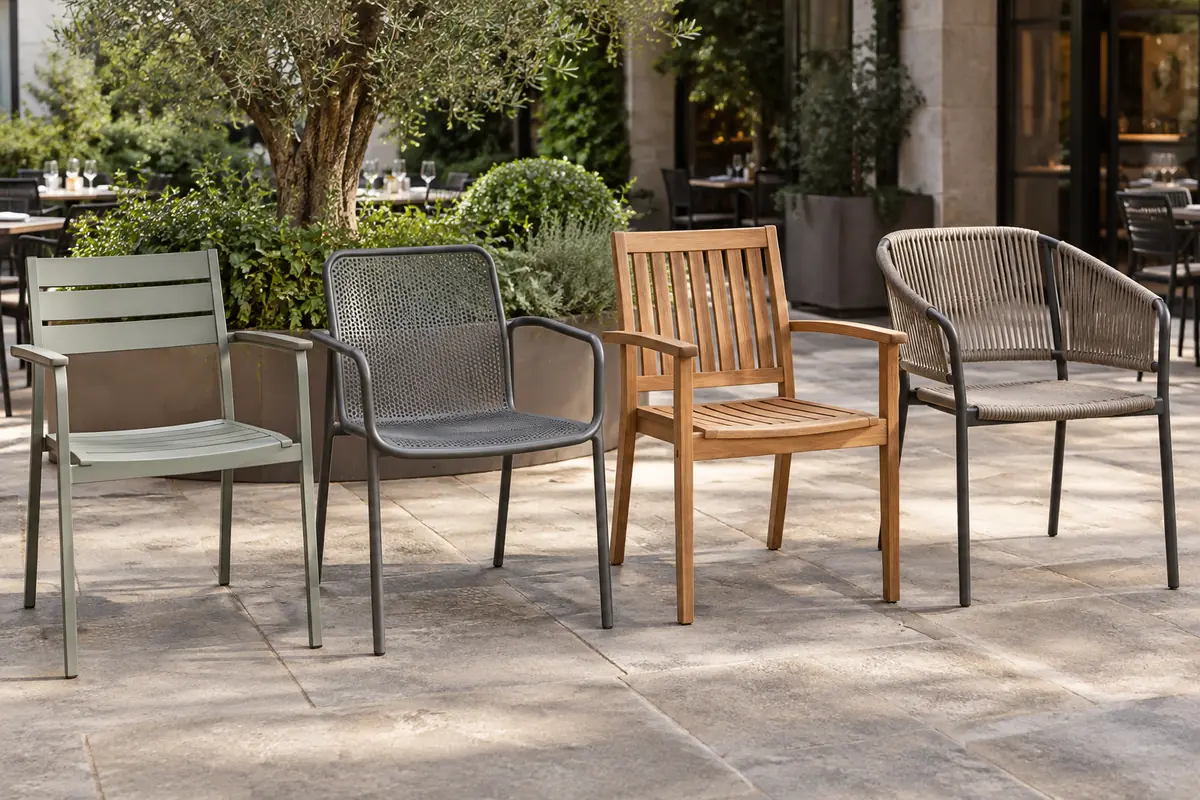
Powder-coated aluminium
Best starting point: restaurant patios, hotel terraces and projects that value easier daily handling.
Watch: finish preparation, coating continuity, joint details, floor-contact parts and whether the exact configuration matches the exposure.
Coated steel
Best when: weight, a slim structure, design direction or commercial price target makes steel attractive and the protection system is appropriate.
Watch: coating damage, difficult-to-coat edges, trapped water and the service environment. A single material label is not enough.
Teak and other project-approved wood
Best when: the venue wants a warm natural material and can support a defined care routine.
Watch: species, construction, finish expectations and moisture movement. The USDA Forest Service Wood Handbook material explains why moisture control and dimensional change belong in the engineering discussion.
Woven or mixed-material furniture
Best when: comfort and visual texture matter, especially in hotels, resorts and relaxed dining areas.
Watch: the underlying frame, weaving specification, attachment points, sunlight exposure, cleaning method and replaceable soft components.
Do not approve an outdoor dining collection from a material swatch alone. Approve the material and finish as one system, then check the actual sample at welds, edges, undersides, joints, drains, fasteners and floor contacts.
How much maintenance does outdoor furniture need?
No outdoor furniture material is truly maintenance-free. The practical maintenance load depends on the confirmed material and finish, direct weather exposure, cleaning chemistry, storage and how often the furniture is moved. Use the matrix below as a planning guide, then follow the care method for the exact model and finish.
| Material route | Routine care | Periodic check | Storage / seasonal point | Main warning |
|---|---|---|---|---|
| Powder-coated aluminium | Remove dirt and clean with the approved non-abrasive method for the confirmed finish | Coating continuity, joints, fasteners, glides and areas that trap debris | Keep furniture clean and dry when stored; avoid damage from uncontrolled stacking | A lightweight frame still needs suitable joints, floor contacts and finish details |
| Coated steel | Clean without damaging the protection system and dry wet areas after service cleaning | Edges, weld zones, leg bottoms, scratches and other coating breaks | Dry, protected storage is preferable when the furniture is taken out of service | Coating damage plus trapped moisture can raise corrosion risk |
| Project-approved wood | Use the care method defined for the confirmed species and finish | Joinery, surface condition, movement-sensitive gaps and finish condition | Plan airflow, moisture control and seasonal storage around the site conditions | Natural colour and dimensional behaviour can change with moisture and weather |
| Woven / mixed material | Clean the weave, frame and any soft components according to their separate material requirements | Attachment points, frame condition, weave tension and replaceable components | Keep removable cushions and soft parts dry and stored according to their care instructions | The visible weave does not replace the need to inspect the underlying frame and connections |
If a venue cannot support the care routine a material needs, change the specification before ordering. Maintenance capacity is part of material selection, not an after-sales detail.
Why outdoor furniture fails even when the material sounds right
Most costly problems come from interactions rather than one isolated material choice. The same steel, aluminium or timber can perform very differently when the joint geometry, water path, finish, cleaning method and exposure change.
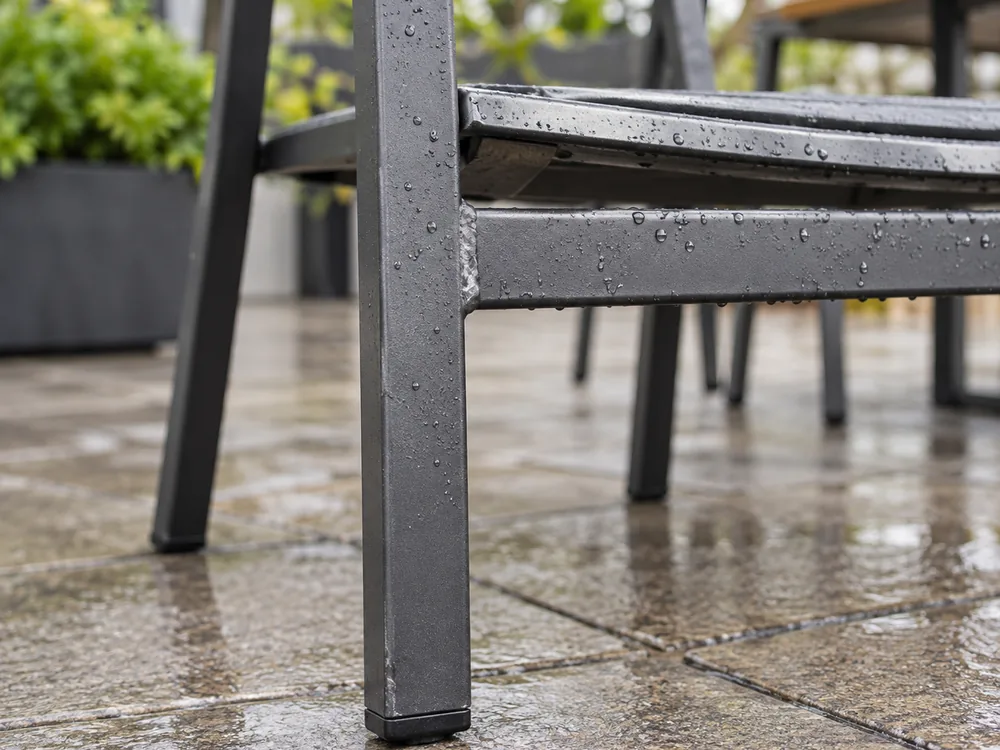
1. Water collects where the finish is hardest to inspect
Flat ledges, narrow crevices, tube openings and poorly drained connections can hold moisture and debris. On steel furniture, this can concentrate corrosion risk at areas that are also difficult to coat or inspect. AMPP specifically identifies water traps and surface irregularities as design concerns in corrosion protection.
What we check: where water can enter, where it can leave, whether capped or welded areas create traps, and whether the coating remains continuous around joints and edges.
2. A coating is damaged during use or handling
Outdoor furniture is moved, stacked, cleaned and sometimes dragged. Scratches or impact at contact points can expose a different risk than the same coating on an untouched display sample.
What we check: high-contact areas, stacking contact points, glides and practical maintenance instructions. Where harsh exposure matters, we confirm the required finish route for the project instead of relying on a generic “weather-resistant” label.
3. Wood moves with moisture conditions
Wood exchanges moisture with surrounding air. Changes in moisture content can contribute to dimensional movement, which is why outdoor timber selection should include joinery, finish, storage and maintenance—not only colour and grain.
What we check: the specified wood, surface treatment, slat gaps or joints, expected appearance, storage conditions and acceptable maintenance cycle.
4. The table and chair work separately but not together
A chair can be comfortable and a table can be stable, yet the combination can still fail commercially if seat height, arm height, table apron, base footprint or service circulation conflict.
What we check: table height, seat height, chair width, arm clearance, base interference, pull-out space and aisle requirements as one layout.
5. Storage and cleaning were never included in the specification
Stackable furniture can reduce storage area, but only when the real stack is stable and contact points do not damage the finish. Cleaning chemicals can also be incompatible with some finishes or soft materials.
What we check: actual stackability, stack contact, maximum practical stack for the venue, cleaning method, storage route and the staff handling process.
What to check on a sample before bulk production
A sample is most useful when it answers the questions that could stop the bulk order. We recommend turning the sample review into a short acceptance sheet rather than approving it only from appearance.
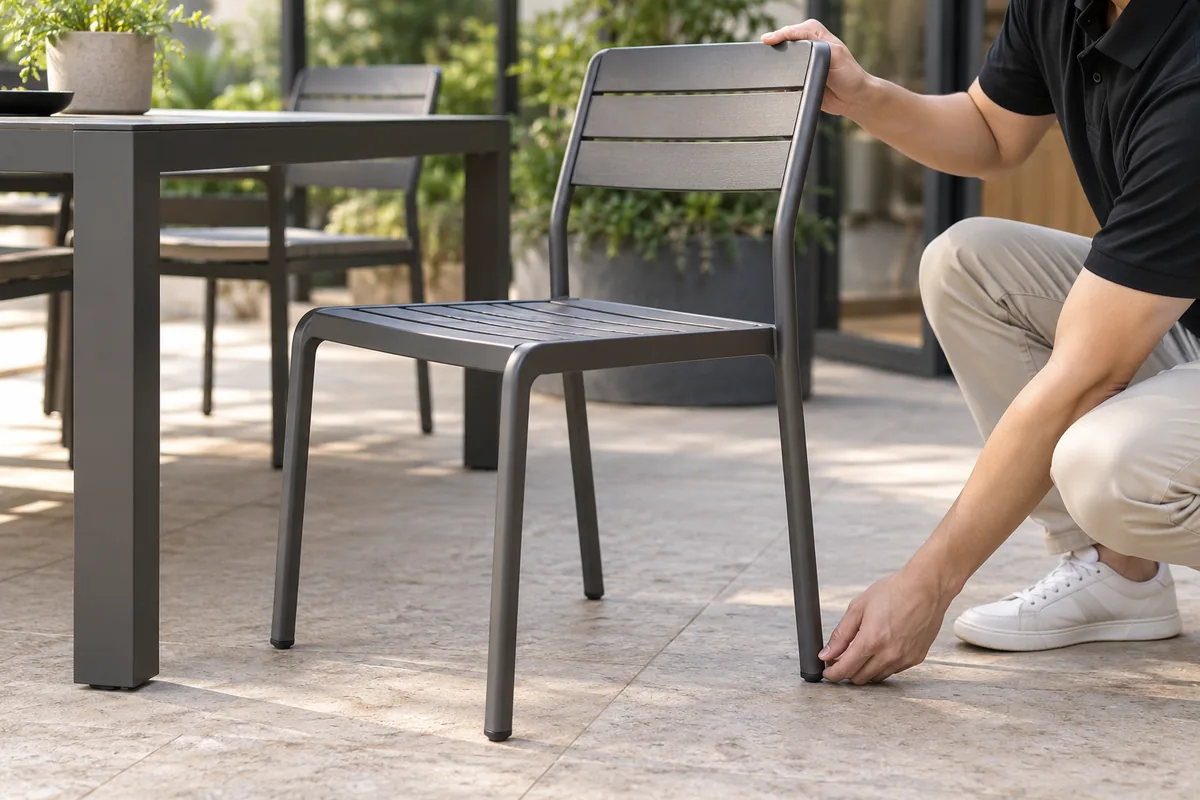
- Dimensions: record the actual overall width, depth and height in both in and cm, plus seat height or tabletop height where relevant.
- Table-and-seat fit: check knees, armrests, apron clearance, footrests, pedestal or leg interference and the intended dining posture.
- Finish: inspect visible faces, weld zones, edges, undersides, holes and contact points—not only the easiest surface.
- Water path: identify possible entry points, drainage paths and places where water or debris could remain.
- Floor contact: confirm glides, level contact and behaviour on the actual paving, tile, deck or other floor surface.
- Handling: lift, move and stack the sample the way venue staff will use it.
- Cleaning: test the planned cleaning method on the confirmed finish and material.
- Reference sample: lock approved colour, texture, dimensions and construction details before bulk production.
- Project documents: identify the destination standard or document scope required for the exact product before order confirmation.
For European contract projects, the BS EN 581-1 outdoor furniture safety page is a useful starting reference. Current 2026 editions of EN 581-2 for seating and EN 581-3 for tables cover mechanical safety topics for outdoor seating and tables, including contract use. The required standard, national adoption and document scope still need to be confirmed for the destination and exact model.
Best outdoor dining furniture by commercial scenario
The “best” choice changes by operating scenario. Use the table below to turn a broad product preference into a commercial sourcing direction that can be checked on a sample and quoted against the actual site.
| Scenario | Default direction | Main project risk | Required check |
|---|---|---|---|
| Restaurant patio with daily table service | Aluminium or suitable coated steel; practical dining-height tables; easy-clean surfaces | Chair/table mismatch and finish wear from daily moving | Sample the full table-and-chair combination and handling routine |
| Compact café garden | Small-footprint tables, armless seating where layout requires it, stackable formats where useful | Too many seats on paper but poor real circulation | Confirm footprints and pull-out/service space on the floor plan |
| Hotel terrace | Coordinated collection with stronger aesthetic control and replaceable/maintainable components | Finish inconsistency across tables, chairs and soft components | Approve finish standards and replacement expectations before bulk |
| Coastal restaurant or poolside venue | Environment-specific material, coating, fastener and maintenance review | Salt, splash and cleaning chemistry exceed a generic outdoor specification | Send exact exposure and required test/document scope before model approval |
| Rooftop bar | Stable geometry with handling and storage planned around wind conditions | Selecting lightweight furniture without a site wind strategy | Review site rules, footprint, movement/storage and any project safety requirements |
| Distributor outdoor range | A controlled material/finish matrix with repeatable SKUs and a defined customization boundary | Too many untested variants create quality and inventory complexity | Lock core SKUs, finish references, packing and reorder specifications |
YeZhi outdoor product examples to start the specification
These current YeZhi product pages show different outdoor directions. They are starting points, not universal “best” picks. We still match the model to the exposure, layout and destination requirements before bulk production.
Metal Frame Outdoor Dining Table for Restaurants
Size: 66.9 × 35.4 × 29.5 in / 170 × 90 × 75 cm.
A full dining-table format for restaurant patios, café terraces and other commercial dining layouts. Use it when the project needs a conventional dining surface rather than a compact bar-height table.
Patio Aluminium Bar Stool Chairs Outdoor
Size: 22.0 × 20.9 × 42.9 in / 56 × 53 × 109 cm; seat height 29.5 in / 75 cm.
An aluminium bar-height seating direction for commercial outdoor counters and high tables. Confirm the matching tabletop height, layout and exposure before ordering.
Rain Metal Outdoor Bar Stool
Size: 20.5 × 19.9 × 40.2 in / 52 × 50.5 × 102 cm; seat height 29.5 in / 75 cm.
This steel model is listed with an electrophoretic anti-rust coating plus an outdoor powder coating and a stackable format. Treat that construction description as model-specific; the required corrosion or test scope still depends on the project.
YZ-OBT01 Round Wooden Outdoor Bar Table
Size: Ø23.6 × H42.5 in / Ø60 × H108 cm.
We recommend the standard configuration for covered and semi-covered hospitality areas. Coastal, poolside, high-salt, frequent-rain or permanently exposed locations require a separate material and finish review.
For a wider shortlist, browse our commercial dining tables and bar stool range. If the main decision is whether a stool belongs indoors or outdoors, use our indoor vs outdoor bar stool guide as the next step.
Commercial ordering plan: MOQ, customization, lead time and packing
Once the material and model direction is right, commercial terms determine whether the project is actually workable. Our current planning baseline is:
- Regular MOQ: starts from about 15 pcs per model/SKU. Some models have a different minimum, so the model quotation controls the final quantity.
- Full OEM/custom: normally starts around 100 pcs per design or configuration, depending on the change.
- Standard production: about 30 days after order confirmation. Complex or custom routes may require around 35–45 days and are confirmed by project.
- Samples: there is no single company-wide fixed sample lead-time promise; we confirm it from the model and customization scope.
- Payment: T/T 30% deposit and 70% balance before shipment.
- Trade terms: EXW, FOB and CIF can be supported according to the quotation; ocean freight can move by LCL or FCL.
- Packing: export-grade packing is confirmed around the product, assembly format and shipping route, using suitable cartons and protective inserts with pallets or crates when needed.
- Warranty: our standard warranty is 1 year, with the final scope governed by the confirmed quotation/PI and product conditions.
Do not lock the order schedule from “30 days” alone. Add sample approval, customization confirmation, packing approval, production, inspection and freight planning to the project calendar. We confirm the actual route with the model, quantity, destination and required changes.
Send these details for an outdoor furniture quotation
A useful RFQ should let us make a material and configuration decision, not just calculate a unit price. Send:
- Venue type: restaurant, café, hotel, bar, resort, distributor program or another commercial application.
- Outdoor exposure: covered, semi-covered, open rain, coastal, poolside, high humidity, strong sunlight, freezing climate or high wind.
- Quantity by model/SKU and preferred number of finishes.
- Required chair, stool and table dimensions, plus layout drawings when available.
- Material and appearance target: aluminium, steel, timber, woven, upholstered or mixed-material direction.
- Cleaning and storage routine, including stackability requirements.
- Destination country and any required standard, report or document scope.
- Sample requirements and changes that must be approved before bulk production.
- Logo, labels, shipping marks or special packing needs.
- Destination port, preferred EXW/FOB/CIF term and target shipment window.
With these inputs, we can tell you what we recommend, what must change, what still needs confirmation and which product direction should move to sampling.
Frequently asked questions
What is the best material for outdoor garden furniture?
For many commercial restaurant and hotel projects, we start with powder-coated aluminium because it is relatively easy to handle and supports many outdoor design directions. We change that recommendation when site exposure, wind, natural-material goals, cost, structural requirements or maintenance make another route more suitable.
Is aluminium or steel better for outdoor dining furniture?
Aluminium is a strong default when low weight and corrosion-conscious material selection are priorities. Steel can be the better commercial choice when weight, structure, styling or price matters and the protection system matches the environment. For steel, we pay particular attention to coating continuity, water traps, edges, joints and floor contacts.
Can teak or wooden outdoor furniture stay outside all year?
There is no safe universal answer from the material name alone. Wood responds to moisture conditions, while finish, joinery, drainage, sunlight, temperature and maintenance also matter. Send the exact site conditions and appearance expectations so we can confirm the appropriate wood and finish route for the project.
Which standard applies to commercial outdoor furniture in Europe?
The EN 581 family is an important reference for outdoor seating and tables used in contract settings. The exact edition, national adoption, product scope and required documentation must be confirmed for the destination and model. A standard reference does not by itself mean a particular YeZhi model has been tested to it.
Can YeZhi Furniture supply mixed models in one order?
Mixed models, colours or materials may be accepted depending on the order, but the regular MOQ is normally controlled per model/SKU. Our general planning baseline starts from about 15 pcs per model/SKU, while individual models can have a different minimum.
Specify your commercial outdoor furniture with YeZhi Furniture
Send the patio or terrace exposure, quantity, target style, dimensions, destination and required documentation. We will narrow the frame, finish, table-and-seat combination, customization route, packing and production plan before the order is locked.
Send Your Patio Layout & Outdoor Requirements